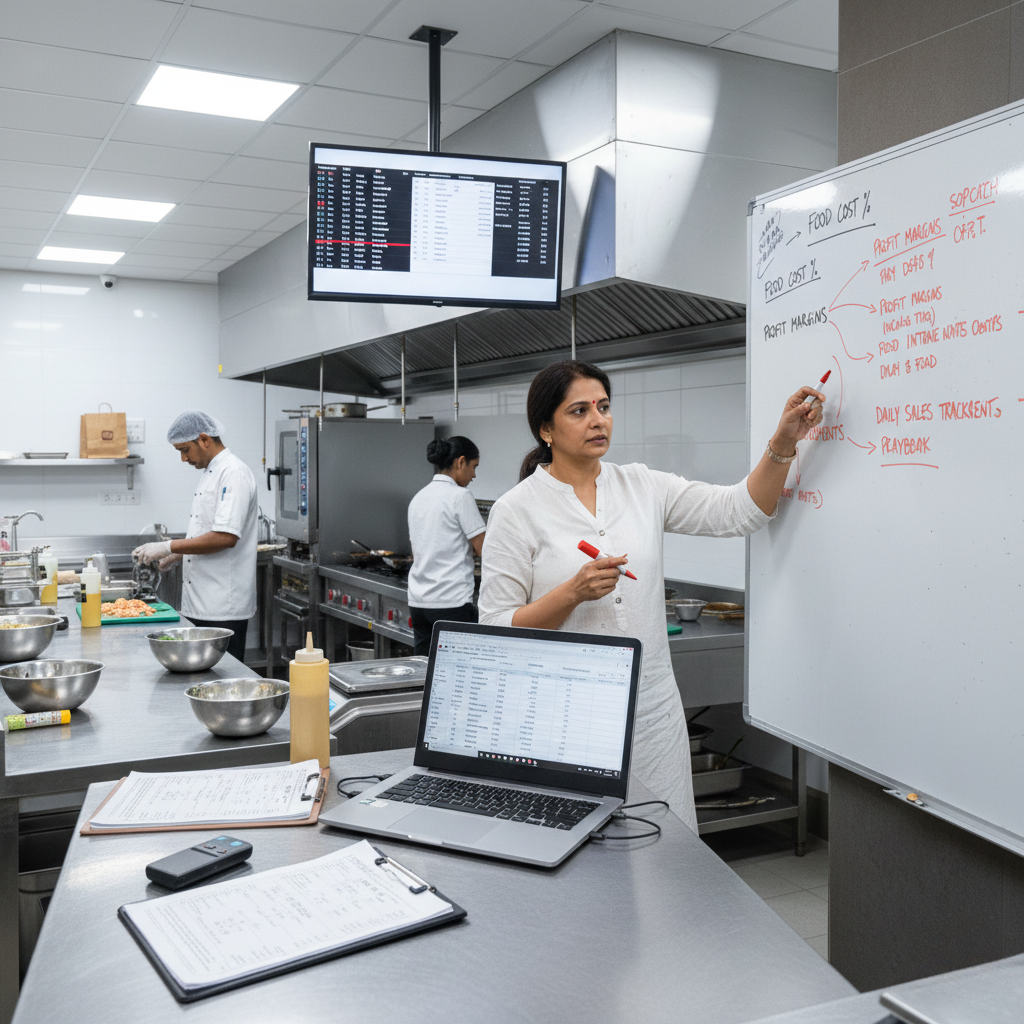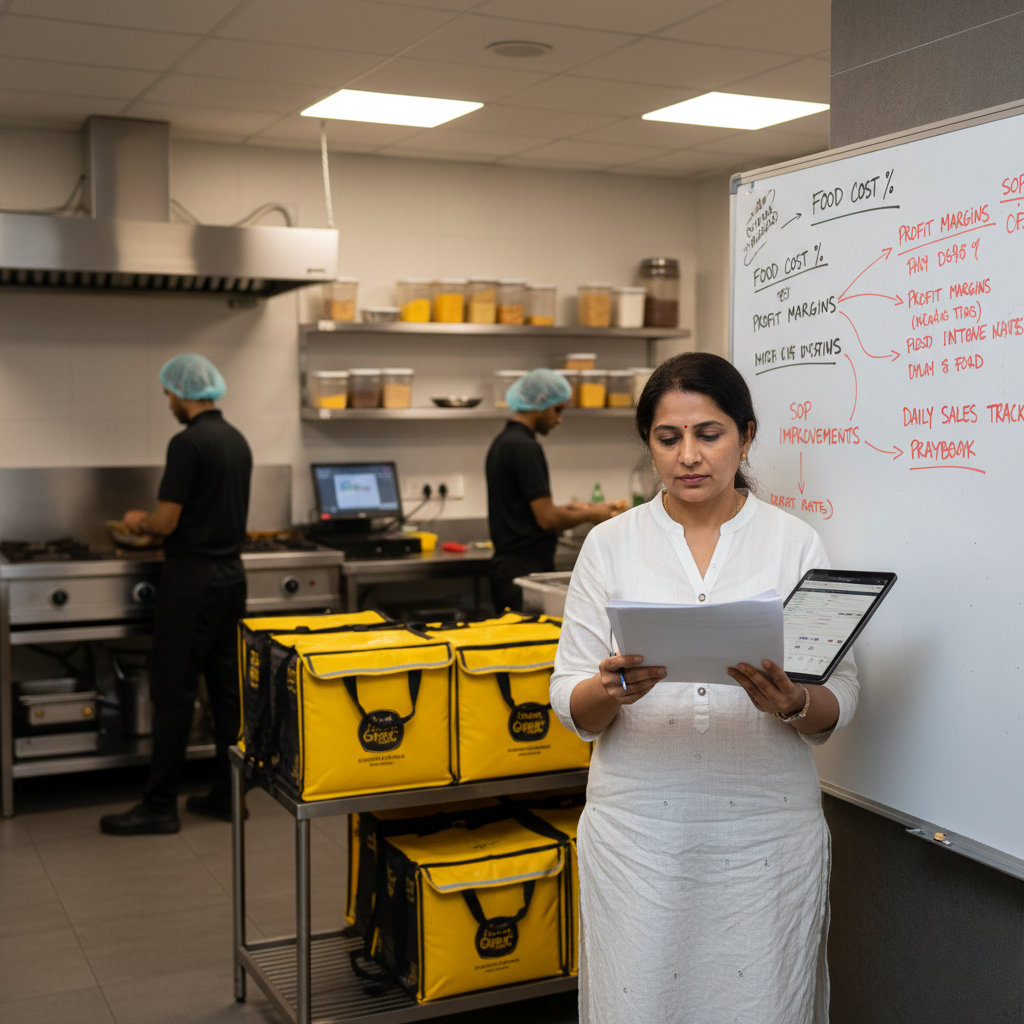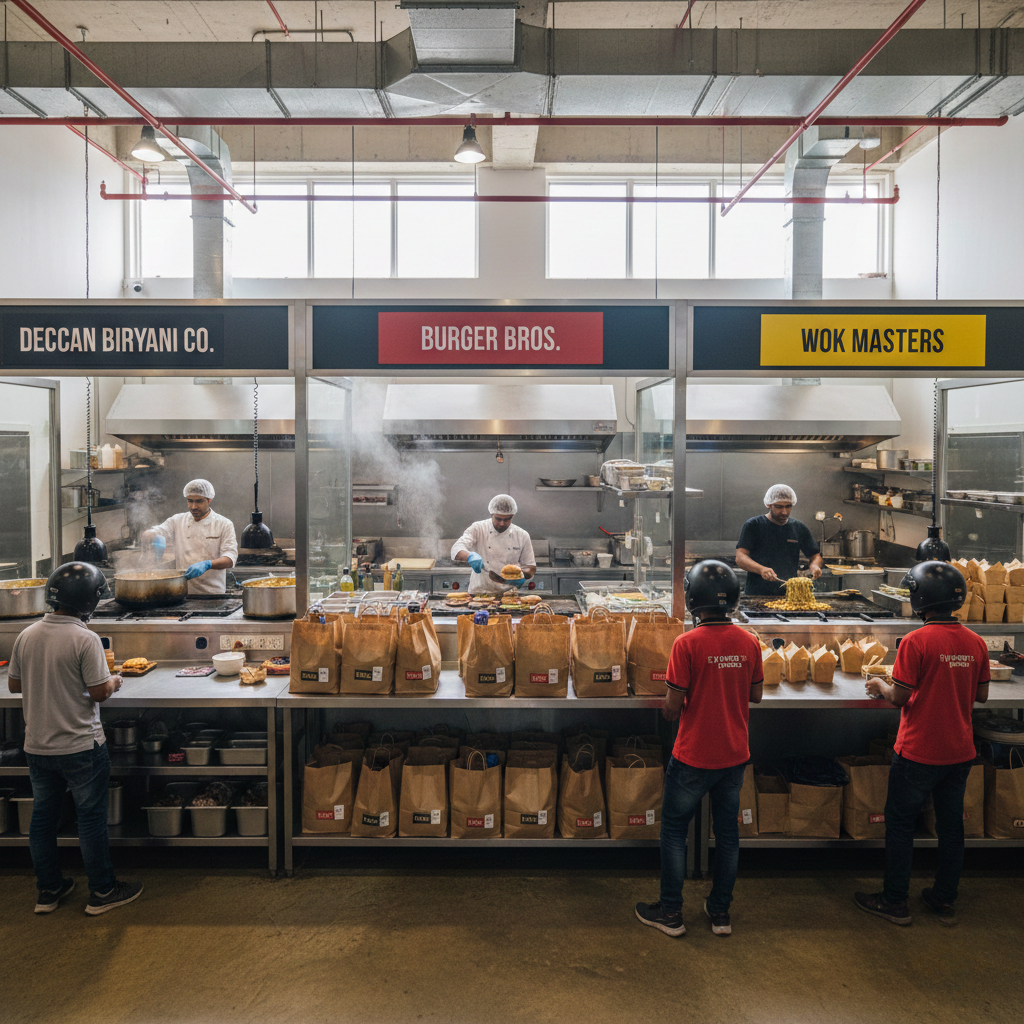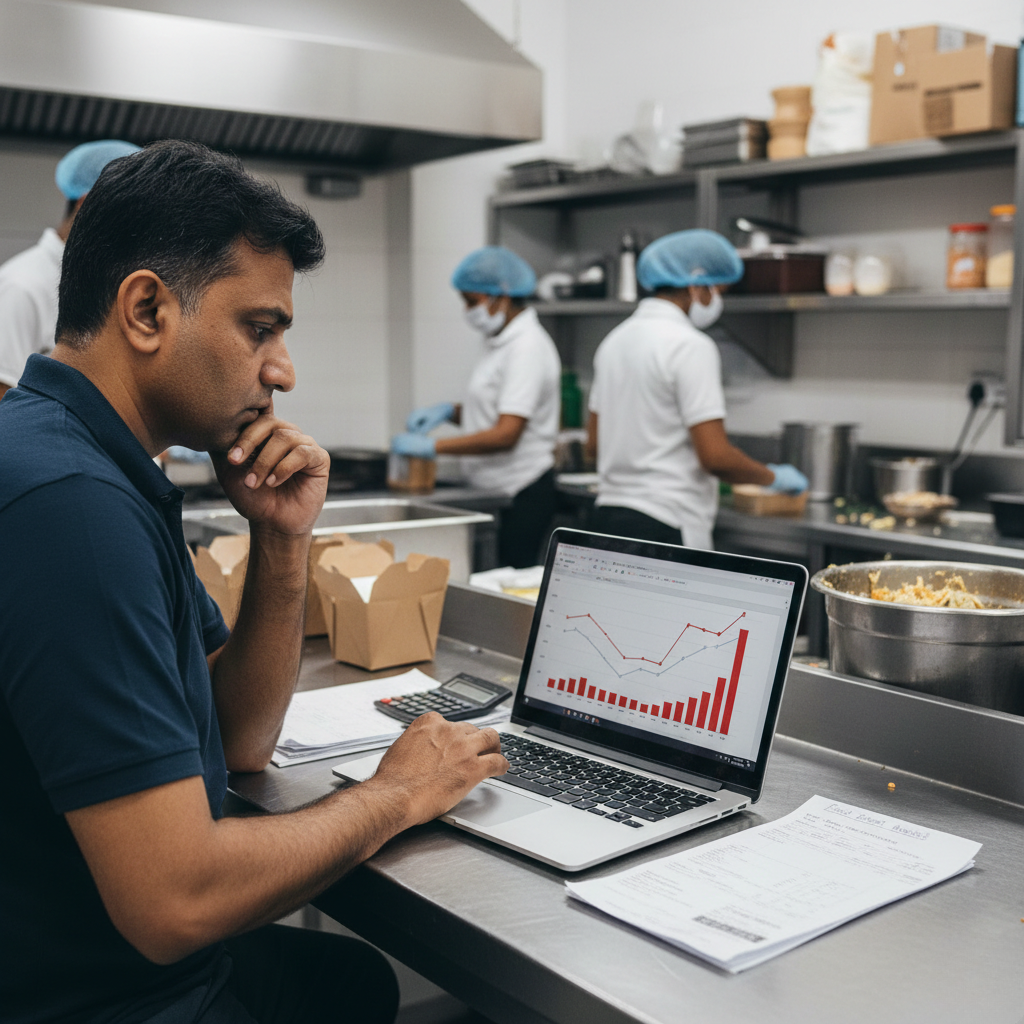
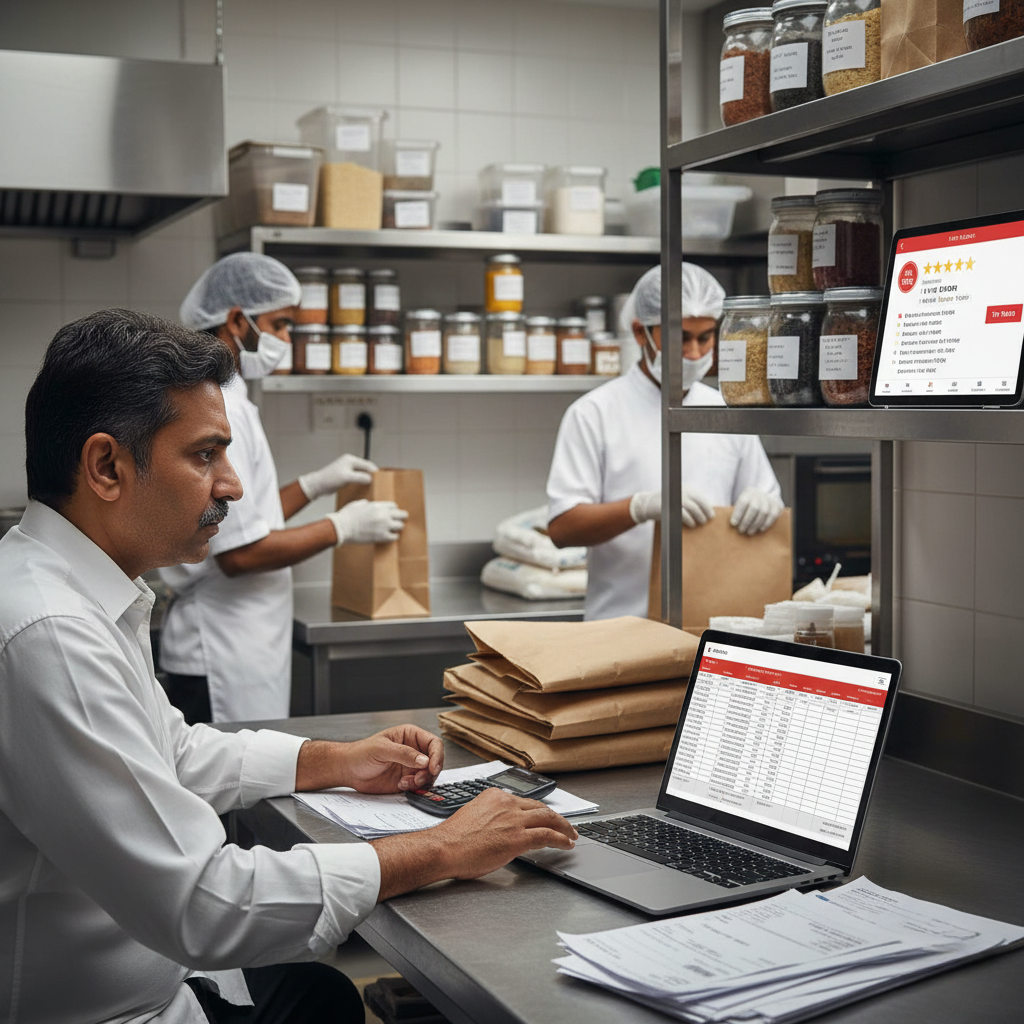
Cloud Kitchen Losses Despite Good Ratings is one of the most confusing and frustrating situations founders face. Customers are happy, reviews are positive, platforms show strong ratings, yet the business continues to lose money. This creates a dangerous illusion of success. This guide explains why good ratings do not guarantee profits, what operational gaps hide behind customer satisfaction, and how founders can fix losses without damaging ratings.
Why Cloud Kitchen Losses Happen Even With Good Ratings
Many founders assume high ratings mean healthy operations. In reality, ratings only reflect customer experience, not business sustainability. A kitchen can deliver tasty food on time while silently bleeding money behind the scenes.
To understand this disconnect, it helps to revisit the fundamentals of Cloud Kitchen Business in India and recognise Cloud Kitchens Profitability Consultant.
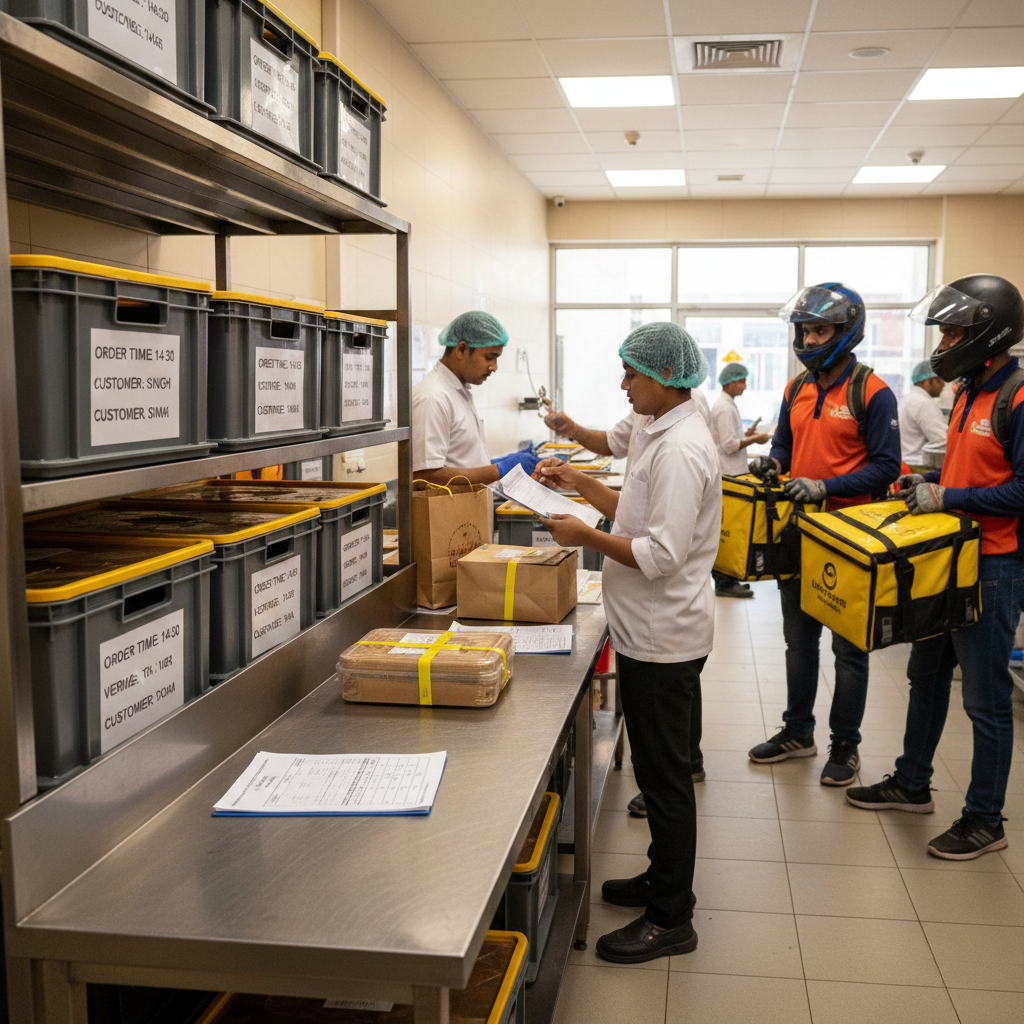
Good Ratings Measure Experience, Not Profitability
Ratings are driven by food taste, packaging quality, delivery time, and order accuracy. None of these directly measure food cost control, staff efficiency, inventory discipline, or contribution margin.
High Food Cost Hidden Behind Customer Satisfaction
Kitchens chasing ratings often over-serve. Extra toppings, generous portions, and unmeasured ingredients delight customers but destroy margins. Since customers reward generosity with ratings, staff slowly drift away from standard recipes.
This is why food cost control through systems is critical, as explained in How SOPs Reduce Food Cost & Complaints.

Underpricing to Protect Ratings Backfires
Many founders avoid price corrections out of fear of rating drops. Prices remain outdated while raw material, packaging, and labour costs rise steadily. The kitchen looks popular, but each order contributes less toward covering fixed costs.
Staff Inefficiency That Customers Never See
Customers experience only the final product. They do not see staff idle time, duplicated work, or chaotic peak-hour execution. Kitchens without role clarity burn labour hours inefficiently while still delivering decent service.
This gap is addressed through Role-Based Kitchen Operations Explained.
Aggregator Penalties Masked by Good Ratings
Even highly rated kitchens face penalties for delays, cancellations, and low preparation efficiency. These penalties do not affect customer ratings directly, but they reduce net payouts significantly. Over time, this creates a widening gap between perceived success and actual profit.
Understand this impact clearly in Cloud Kitchen Aggregator Commission Impact in India.
Dispatch Losses That Do Not Affect Ratings Immediately
Some dispatch errors are absorbed silently. Missing cutlery, swapped orders, or delayed riders may not always lead to bad reviews. However, refunds and adjustments still hit revenue. This makes dispatch one of the most underestimated profit control points in a cloud kitchen.
Learn structured dispatch discipline in Cloud Kitchen Dispatch SOP.
Discounts That Inflate Ratings but Kill Margins
Discounts and offers often boost ratings by increasing perceived value. However, when discounts stack with commissions and high food cost, the kitchen sells more but earns less. Many founders celebrate good ratings without realising they are subsidising every order.
Inventory Losses Customers Never Experience
Expired stock, over-ordering, and pilferage never reach the customer. These losses accumulate quietly while ratings remain stable.
Inventory discipline is essential for profitability, as explained in Cloud Kitchen Inventory Management in India.
Why Scaling a High-Rated Kitchen Can Increase Losses
High ratings often encourage founders to scale faster. Without fixing margins and systems, scale multiplies food cost errors, staff inefficiency, and platform penalties. This is why many popular kitchens struggle financially after expansion.
Learn more in When Growth Is Hurting Your Cloud Kitchen Operations.
How to Fix Cloud Kitchen Losses Without Hurting Ratings
The solution is not reducing quality. It is controlling execution. Standardised recipes, portion control, role clarity, inventory tracking, and dispatch SOPs protect margins invisibly. Customers continue receiving great food, while the business regains profitability.
Final Takeaway: Ratings Are a Lagging Indicator
Good ratings mean customers are happy. They do not mean the business is healthy. Sustainable cloud kitchens balance customer satisfaction with operational discipline.
Proven frameworks from GrowKitchen, along with operating brands like Fruut and GreenSalad, show how kitchens can stay profitable without sacrificing ratings.
FAQs: Cloud Kitchen Losses Despite Good Ratings
Can a cloud kitchen have good ratings and still lose money?
Yes. Ratings reflect experience, not cost control or margins.
Should I reduce portion size to improve profits?
Portion standardisation should be done systematically, not abruptly.
Do discounts help or hurt profitability?
Uncontrolled discounts usually hurt long-term margins.
When should founders focus on profitability over ratings?
From the moment operations stabilise, profitability should be actively tracked.