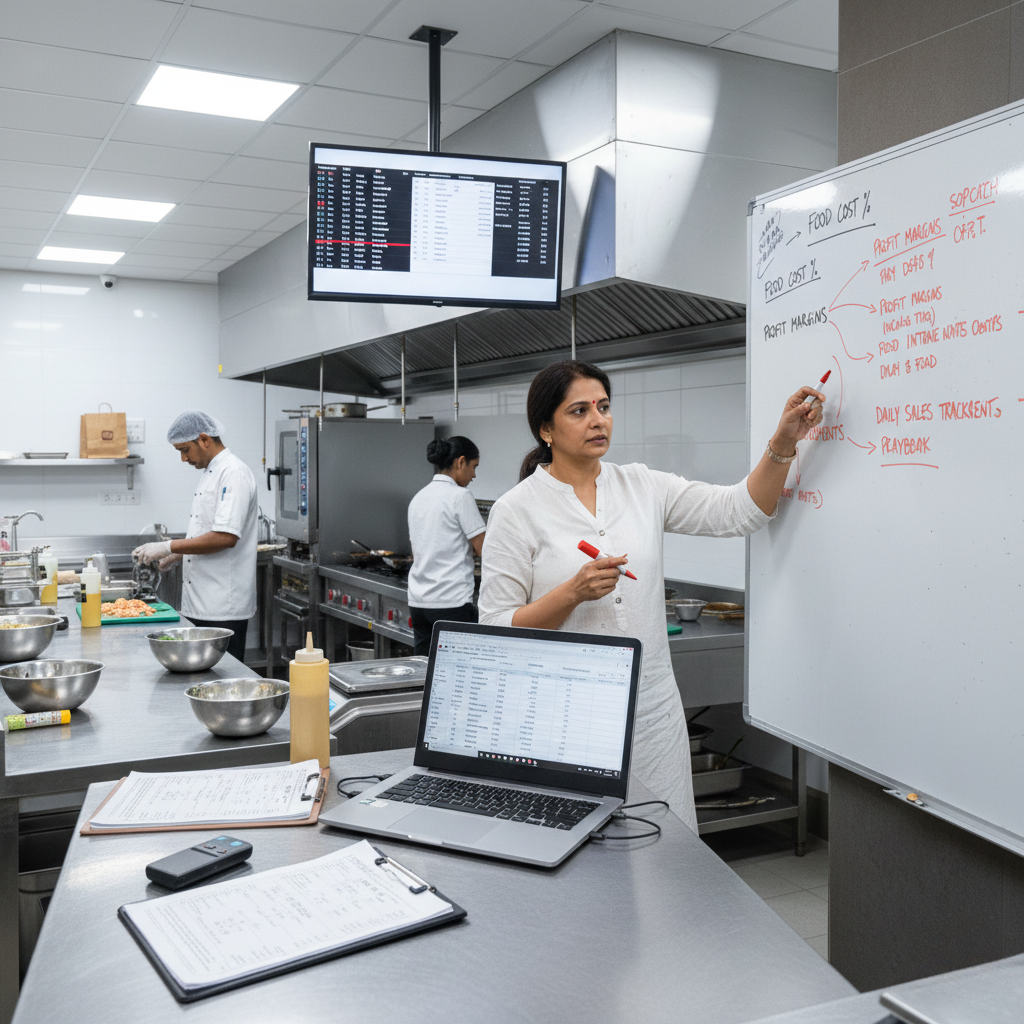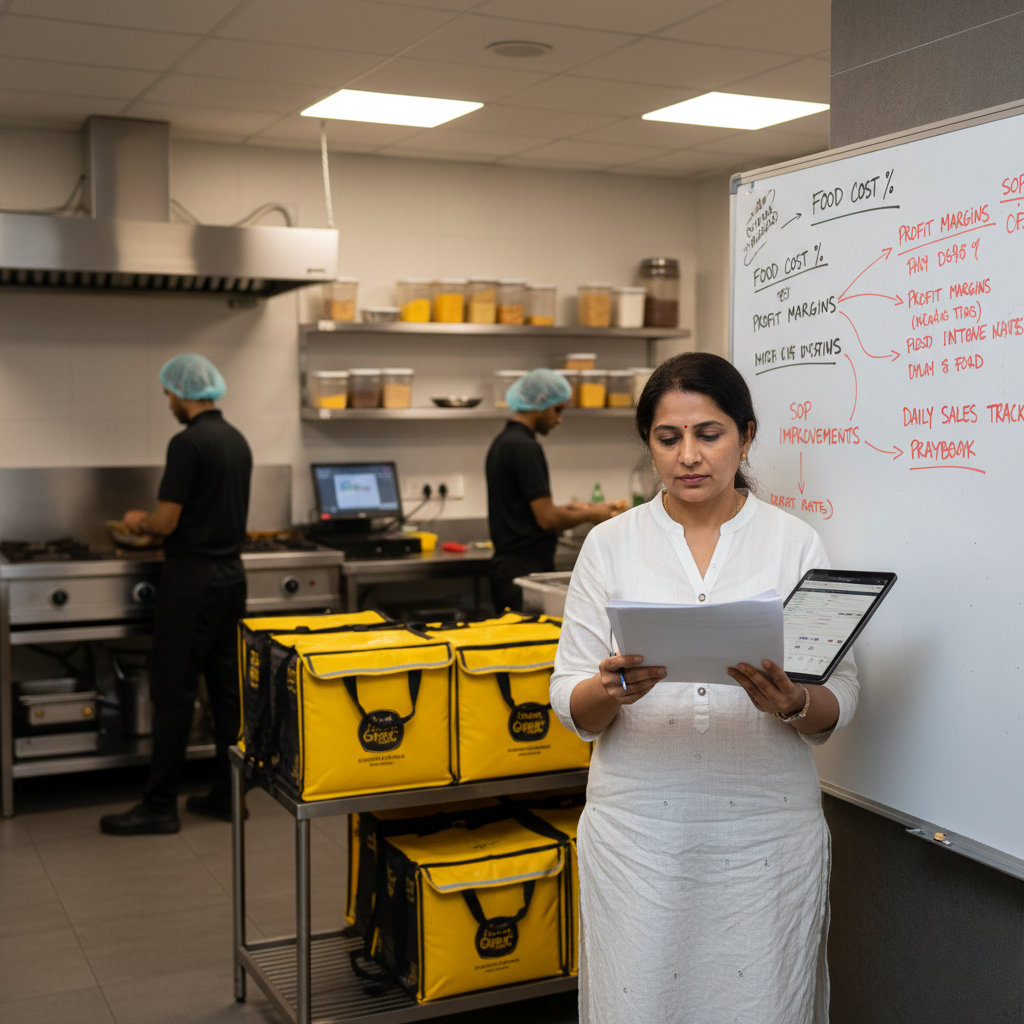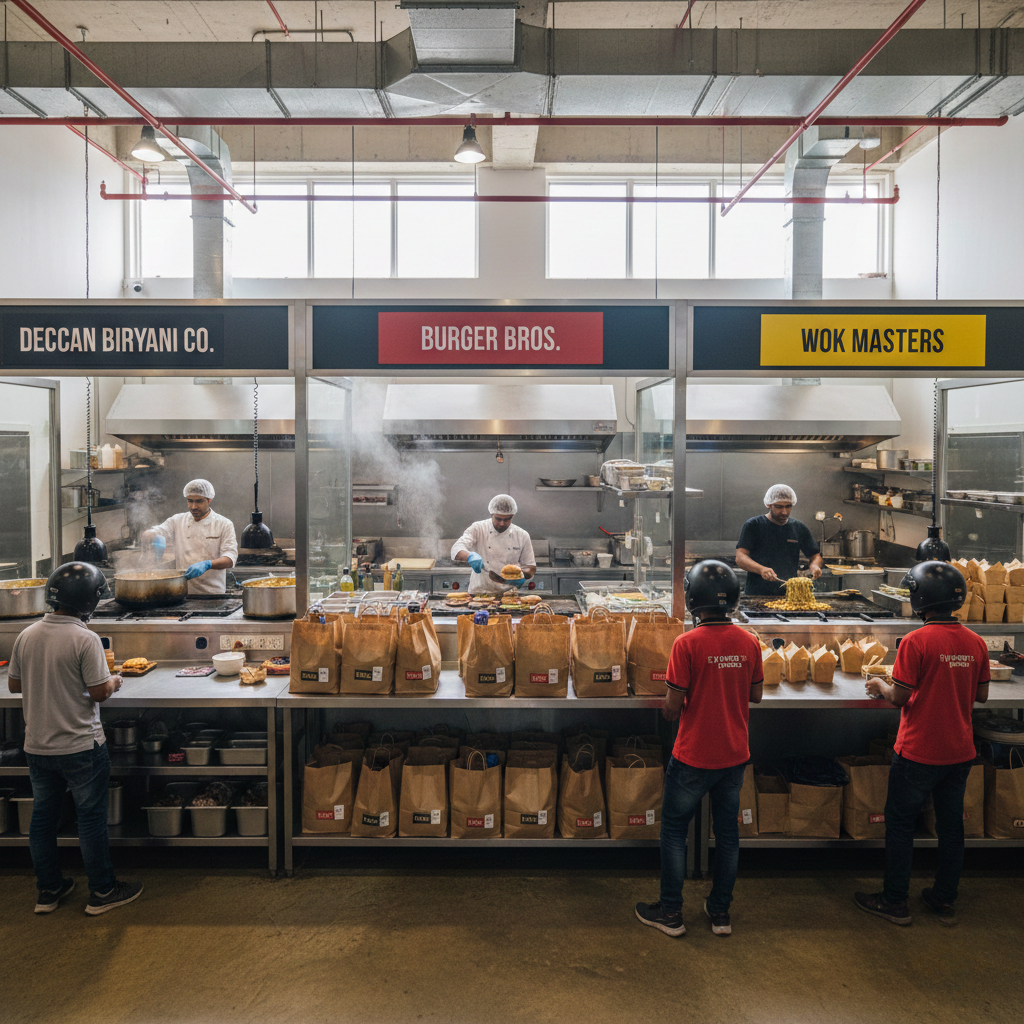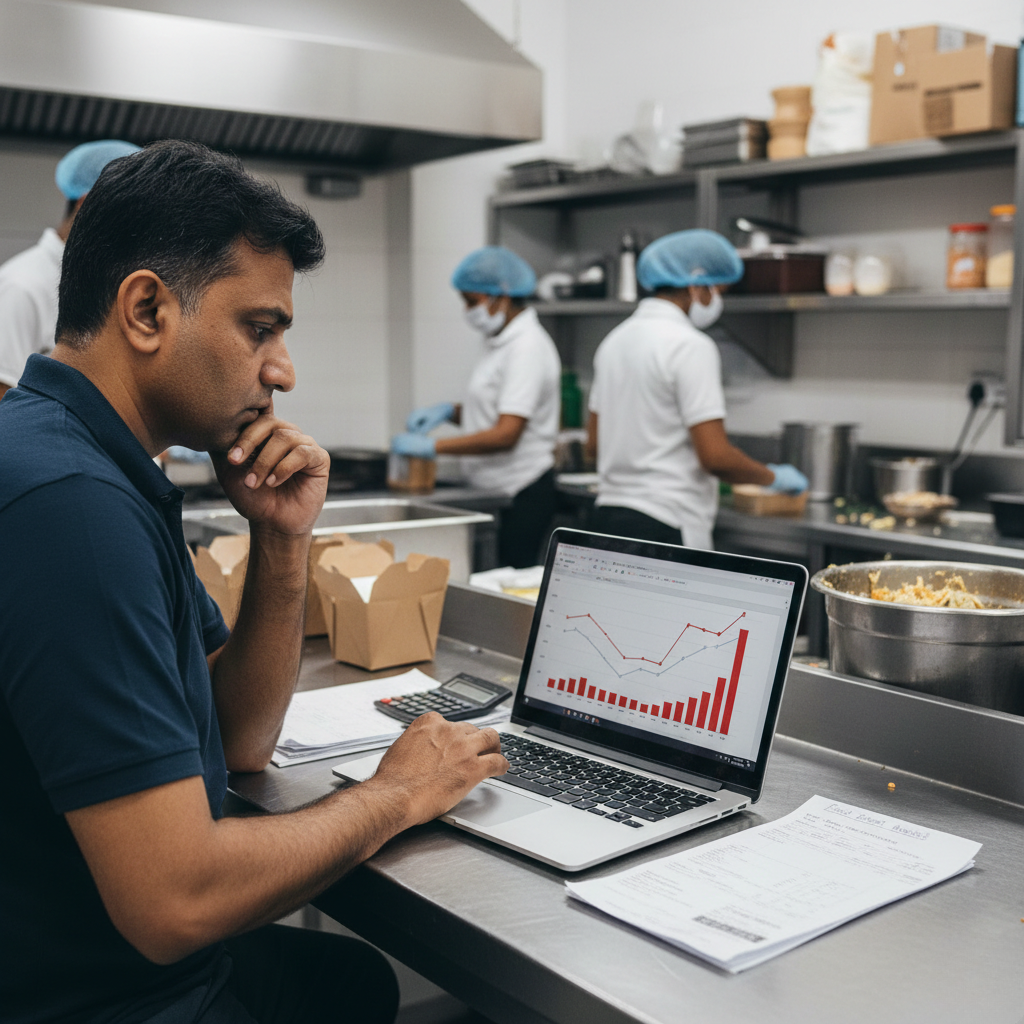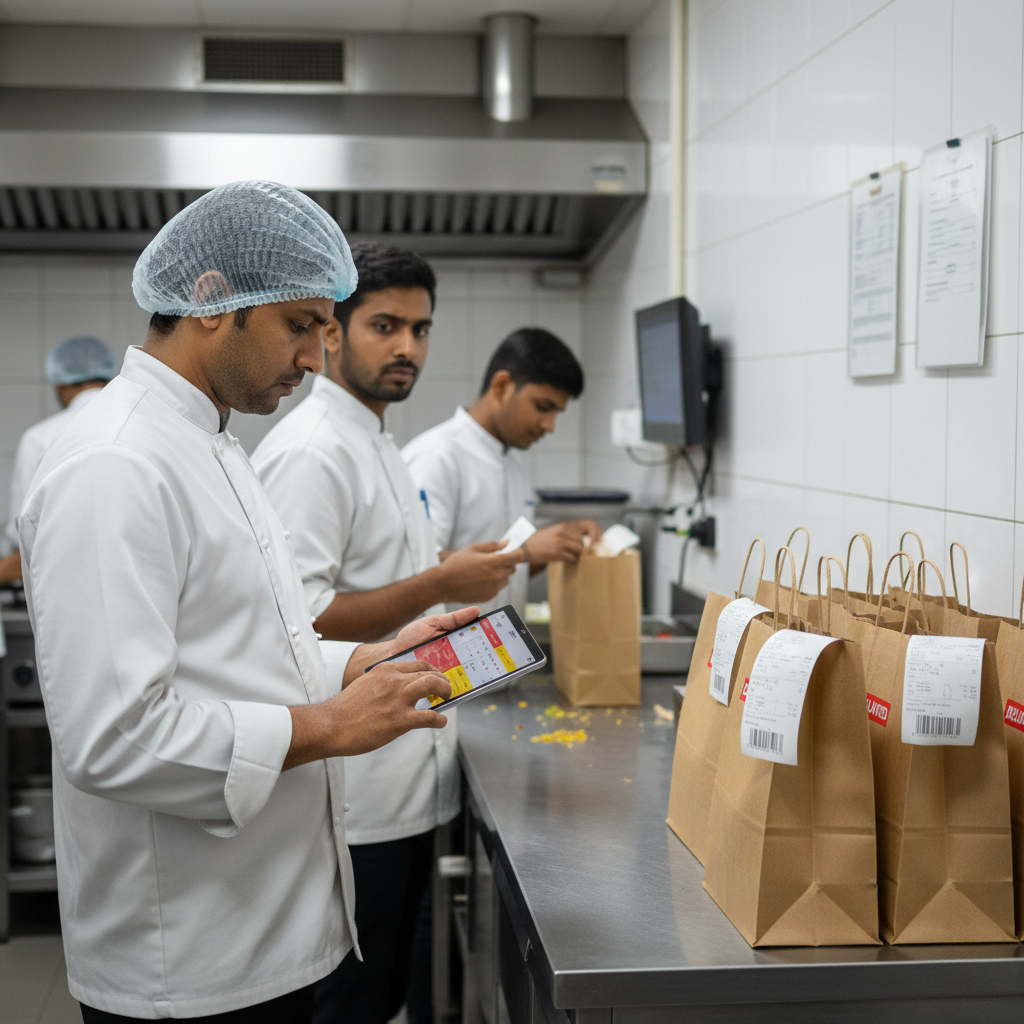
Signs Cloud Kitchen Needs Operations Consultant explains a realisation many cloud kitchen founders in India reach quietly. The kitchen is running. Orders are coming in. Staff are present. Yet problems repeat daily. Delays rise. Ratings fluctuate. Founders stay stuck inside operations. This guide explains the clear operational signals that indicate your cloud kitchen has outgrown founder-led problem solving, why internal fixes stop working, and when an operations consultant becomes a necessity rather than a luxury.
Why Most Founders Delay Calling an Operations Consultant
Most cloud kitchen founders wait too long before seeking operational help. They believe problems can be solved by working harder, monitoring more closely, or hiring one more staff member. These approaches work only at small scale. As volume grows, the same problems return in new forms.
This delay explains why many kitchens stall or decline after growth, as explored in Cloud Kitchen Operations Consultant.
What an Operations Consultant Actually Fixes
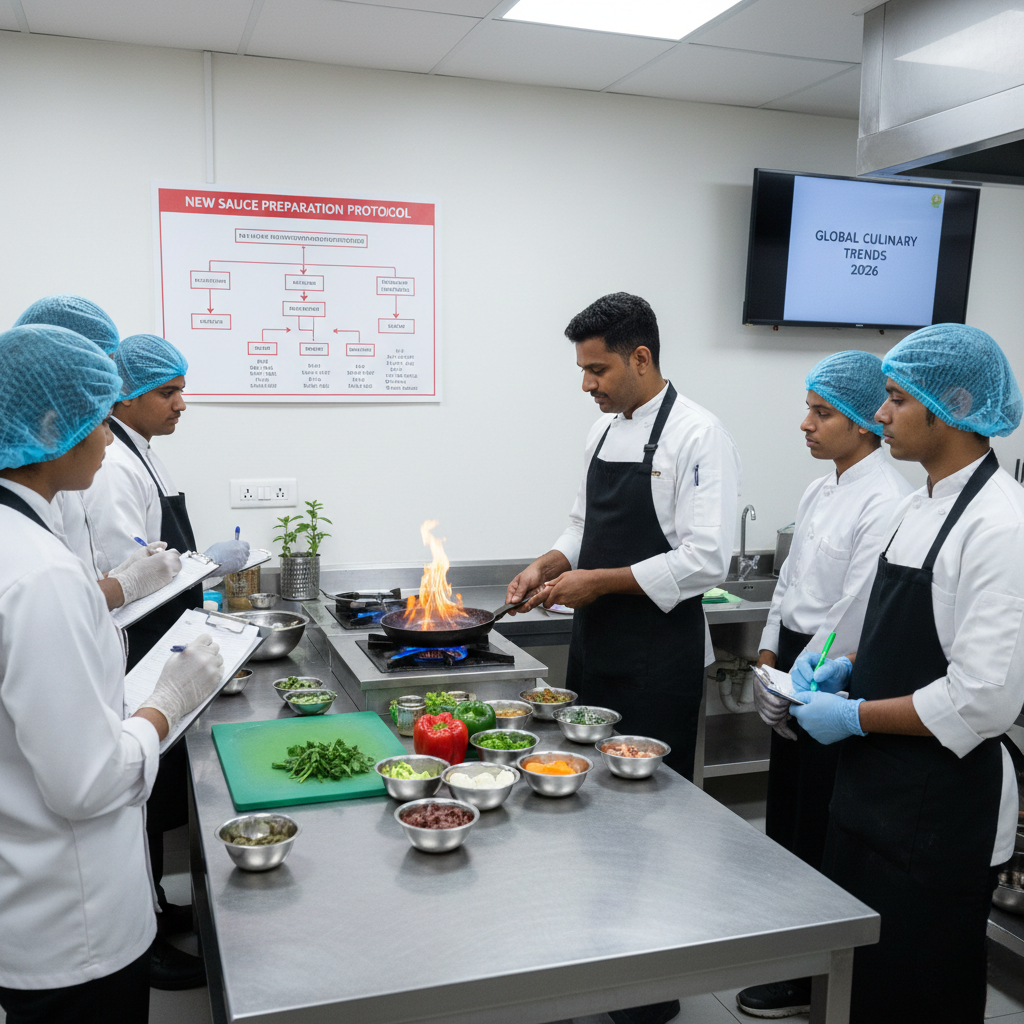
Operations consultants do not manage kitchens daily. They design systems that make daily management predictable. Their role is to remove founder dependency, execution variability, and recurring operational failures. Consultants fix systems, not people.
Sign 1: The Same Problems Keep Repeating
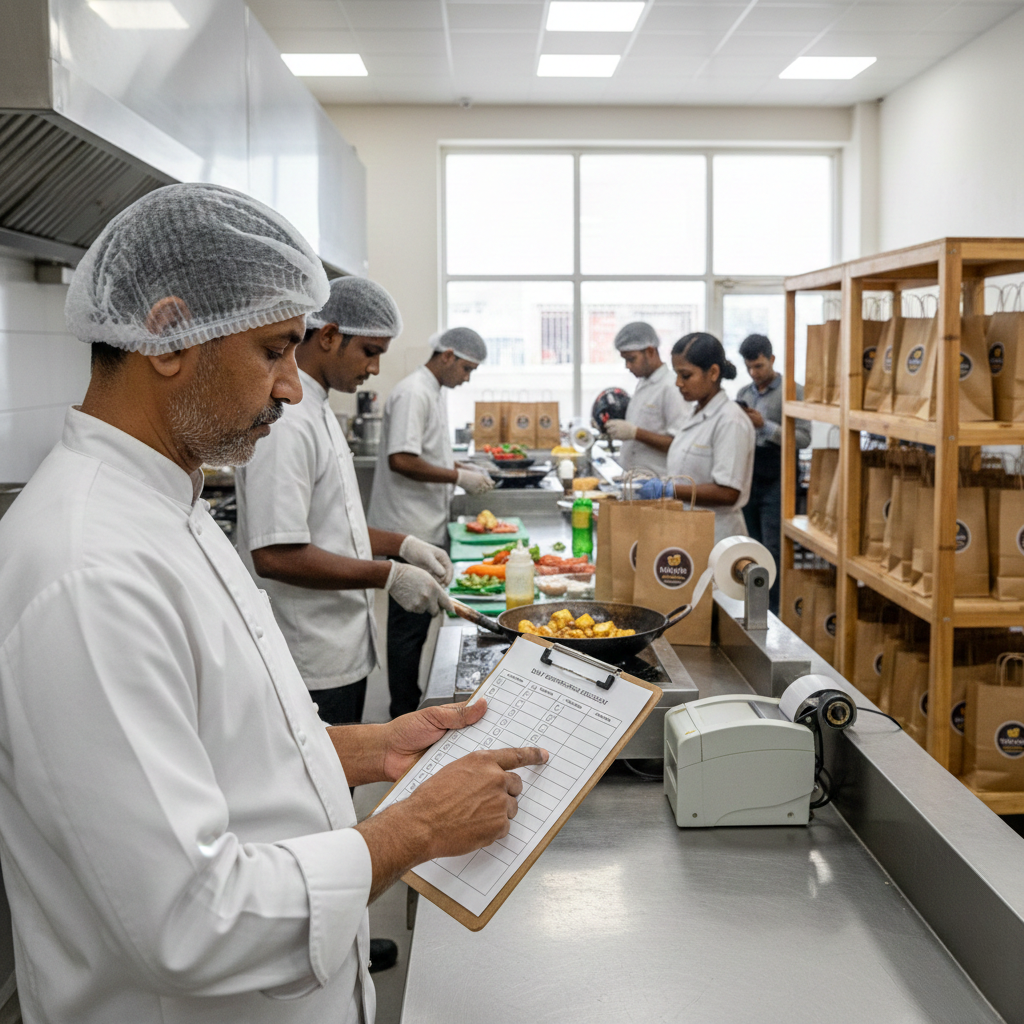
Delays occur every peak hour. Staff make the same mistakes even after correction. Refunds reduce briefly, then rise again. Repetition is the strongest signal that informal fixes have reached their limit. Consultants identify root causes instead of firefighting symptoms.
Sign 2: Founder Presence Is Required for Things to Work
Operations slow when the founder steps away. Staff wait for approvals. Issues escalate upward. Decisions pause. This level of dependency blocks growth and drains energy. Consultants replace founder memory with documented systems.
This transition is explained in How Operations Systems Reduce Dependency on Founders.
Sign 3: Ratings Are Falling Without Clear Explanation
Food quality feels unchanged. Founders often blame algorithms or customers. Consultants trace ratings back to operational execution: prep gaps, dispatch delays, and packaging failures.
This diagnostic view is explained in Why My Cloud Kitchen Ratings Are Falling.
Sign 4: Delays, Refunds, and Complaints Are Rising Together
These three issues rarely occur independently. They signal breakdowns in prep, packing, or dispatch. Consultants treat them as one connected system failure. Fixing them individually only provides temporary relief.
This connection is detailed in Fixing Cloud Kitchen Delays, Refunds & Complaints.
Sign 5: Growth Is Making Operations Worse
Order volume increases, but execution quality drops. Staff feel overwhelmed. Founders feel stretched. Growth exposes weak systems and unclear workflows. Consultants help kitchens stabilise before scaling further.
This phase is explained in When Growth Is Hurting Your Cloud Kitchen Operations.
Sign 6: Staff Performance Feels Inconsistent
Some shifts perform well. Others struggle with the same volume. This inconsistency is rarely about skill. It is about unclear roles and forced multitasking. Consultants introduce role-based operations to stabilise output.
Sign 7: Kitchen Layout Is Slowing Everything Down
Staff walk excessively. Prep interrupts cooking. Packing blocks service. Layout inefficiencies multiply delays during peak hours. Consultants redesign flow around operations, not convenience.
Common layout mistakes are covered in Kitchen Layout Mistakes That Slow Operations.
Sign 8: Inventory Issues Are Disrupting Service
Stockouts force substitutions. Overstocking increases wastage. Both disrupt execution and customer experience. Consultants align inventory systems with demand patterns.
Learn structured control in Cloud Kitchen Inventory Management in India.
Sign 9: You Are Constantly Firefighting
Founders solve problems all day instead of improving systems. Every day feels urgent. Nothing feels complete. Firefighting is a sign that systems are missing. Consultants shift kitchens from reactive to controlled operations.
Sign 10: You Want to Scale but Do Not Trust Operations
Founders hesitate to add brands, locations, or marketing spend. The fear is not demand. The fear is execution failure. Consultants build scalable systems before expansion.
How Operations Consultants Actually Help
They audit end-to-end operations. They document SOPs. They redesign workflows, roles, and control mechanisms. The result is predictable execution without constant supervision.
Why Consultants Impact Profitability Indirectly
Consultants rarely focus on revenue. They reduce waste, refunds, and inefficiency. Profit improves as a consequence of stable operations.
This relationship is explained in How Operations Impact Cloud Kitchen Profitability.
Signs Your Cloud Kitchen Needs an Operations Consultant: Final Takeaway
Hiring an operations consultant is not a sign of failure. It is a sign that your kitchen has outgrown informal management. Kitchens that bring in systems early stabilise faster and scale with confidence.
Proven frameworks from GrowKitchen help founders regain control and build predictable operations.
FAQs: Operations Consultants for Cloud Kitchens
Is an operations consultant only for large kitchens?
No. Smaller kitchens often benefit faster from structure.
Will a consultant replace my team?
No. Consultants improve systems, not headcount.
How long does consulting impact take?
Initial improvements often appear within weeks.
Is consulting expensive?
Operational losses usually cost more than consulting.