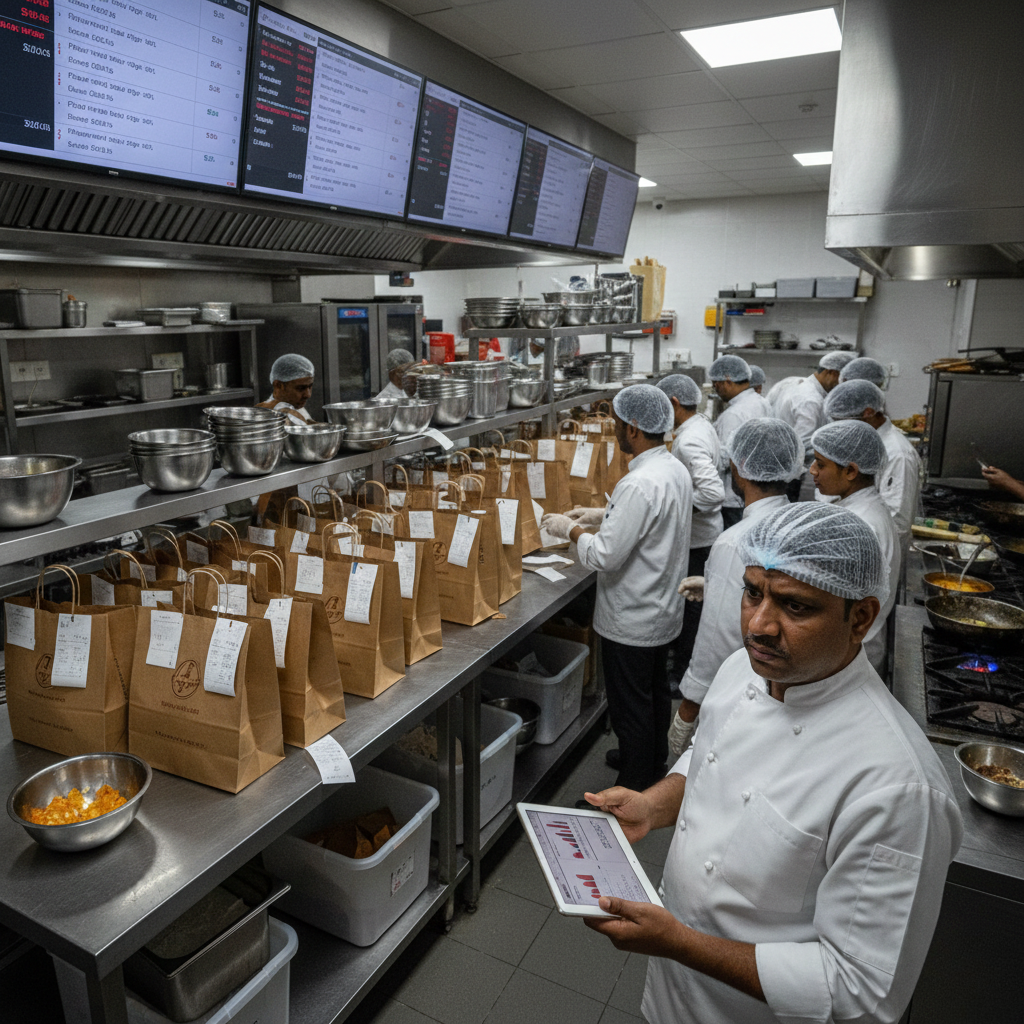
When Growth Is Hurting Your Cloud Kitchen Operations explains a painful phase many cloud kitchen founders experience in India. Orders increase. Revenue rises. Visibility improves. Yet operations begin to crack. Delays rise. Complaints increase. Ratings fall. Founders feel more stressed than before. This guide explains why growth often exposes hidden operational weaknesses, how growth quietly damages execution, and what founders must do to stabilise operations before growth destroys the business it was meant to build.
Why Growth Is the Most Dangerous Phase for Cloud Kitchens
Early-stage cloud kitchens operate on flexibility. Founders intervene personally. Staff multitask. Problems are fixed informally. This works only at low volume. Growth removes the margin for improvisation. When systems are missing, growth does not scale success, it scales failure.
This explains why many kitchens collapse after traction, as explored in Cloud Kitchen Operation Consultant.
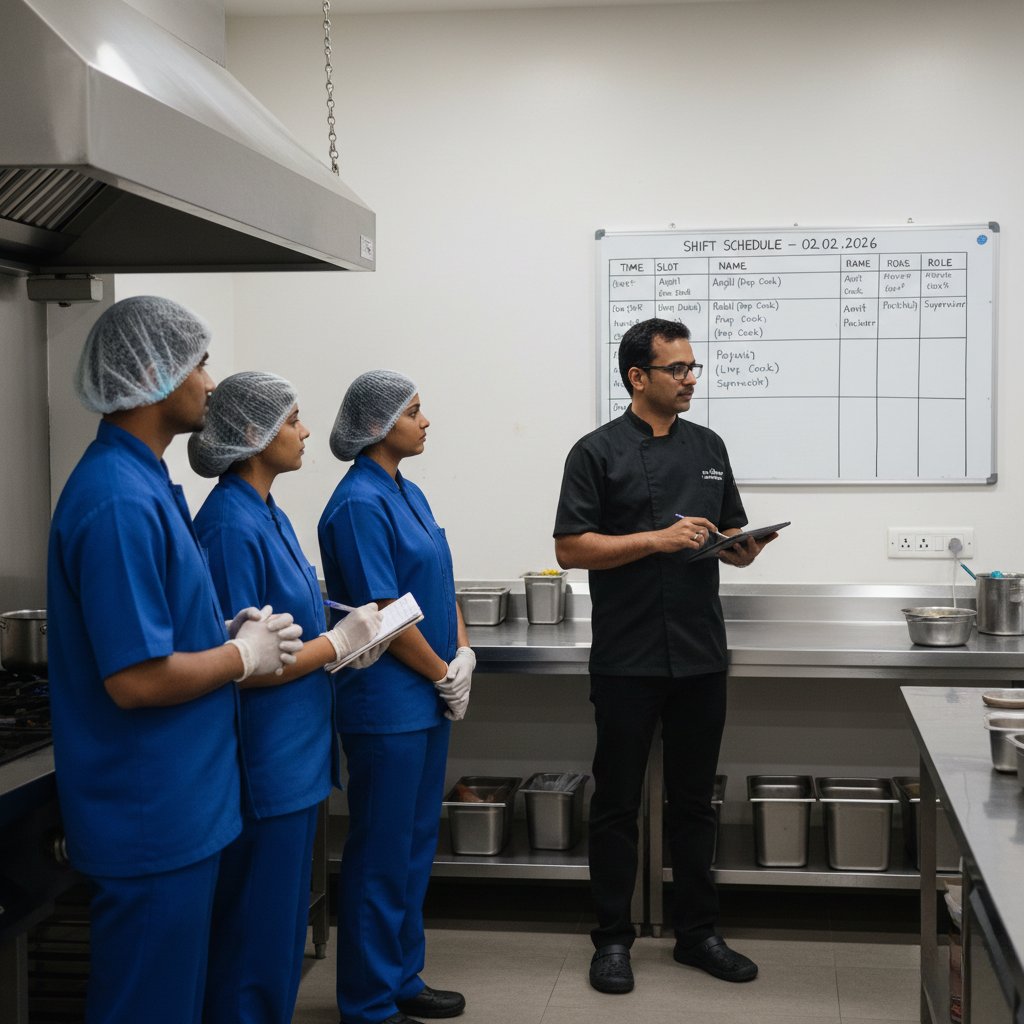
How Growth Breaks Operations Without Warning
Growth rarely feels dangerous at first. More orders feel like validation. Higher revenue feels like progress. But operational systems lag behind demand. Small inefficiencies that were invisible earlier suddenly compound.
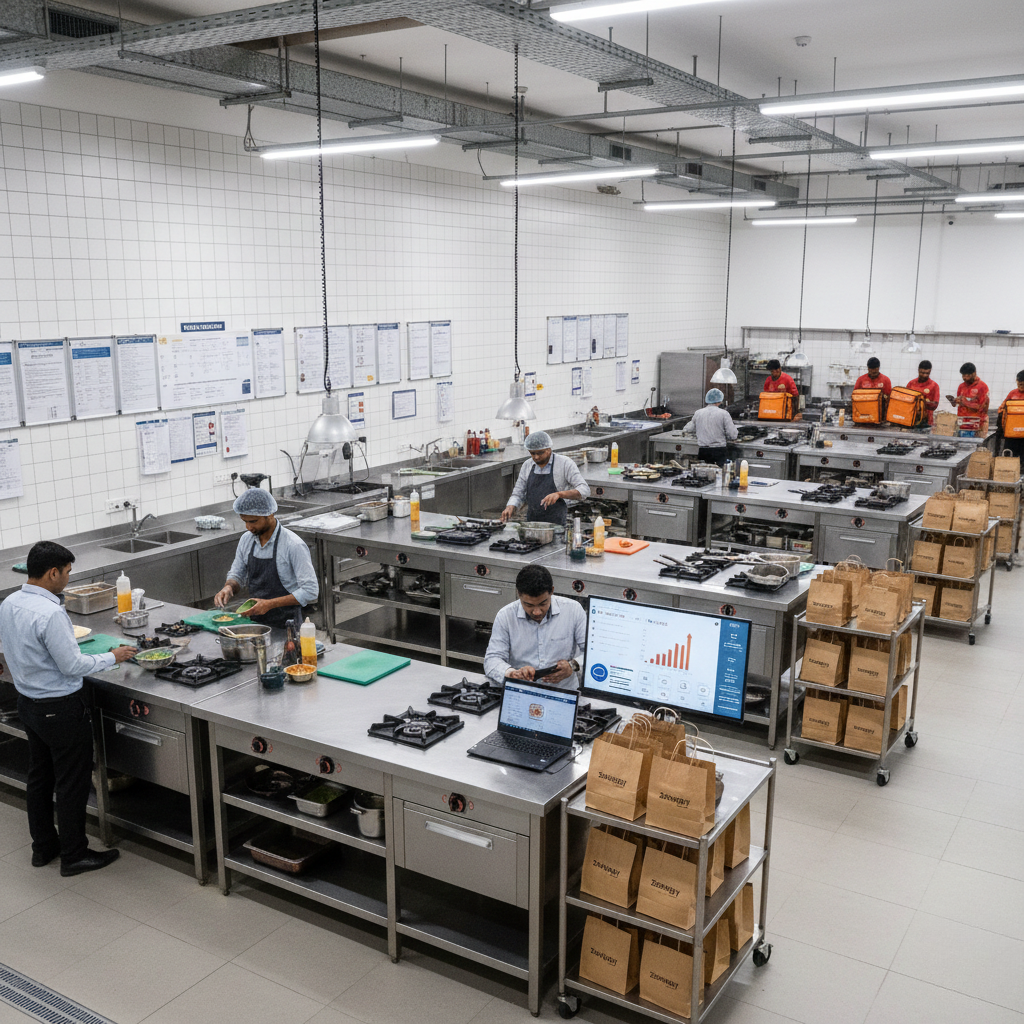
Why Growth Increases Delays First
Delays are the earliest signal that growth is stressing operations. Prep quantities remain unchanged while order volume increases. Cooking stations hit capacity. Packing gets rushed. Dispatch becomes congested. Kitchens mistakenly blame riders instead of internal bottlenecks. Prep planning discipline prevents growth-driven delays, as explained in How Prep Planning Reduces Delays & Refunds.
Dispatch Is the First Area to Collapse Under Growth
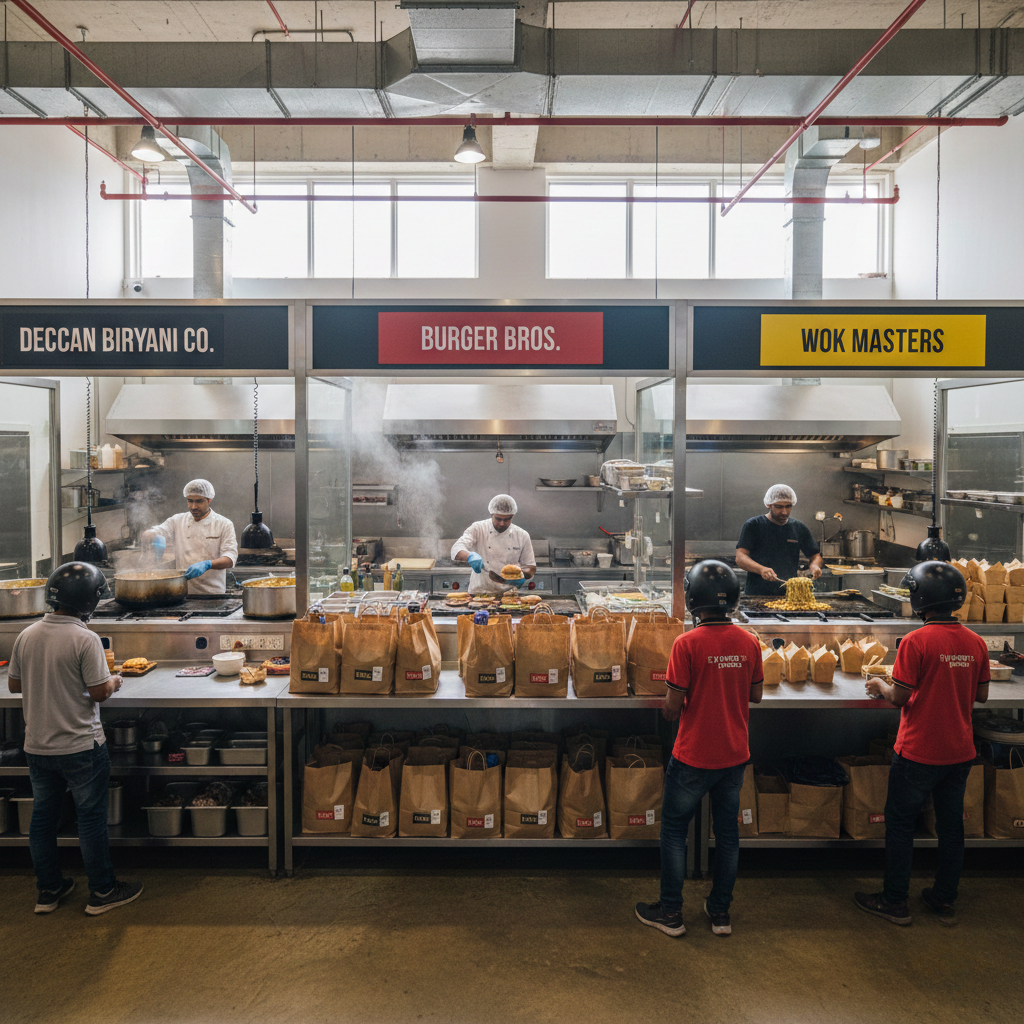
Dispatch volume increases linearly with growth. Without structure, order staging breaks down. Riders crowd counters. Staff lose track of packets. Handover slows. Customers experience this as late delivery. Structured dispatch SOPs protect kitchens during scale.
Learn structured dispatch in Cloud Kitchen Dispatch SOP.
How Growth Exposes Packaging Weaknesses
Packaging failures increase when speed is prioritised over discipline. Improper sealing, wrong container sizes, and rushed packing lead to leakage. Leakage triggers instant refunds and permanent trust loss. Packaging must evolve with volume.
This operational perspective is explained in Why Packaging Is an Operational Decision.
Why Portion Inconsistency Increases During Growth
Growth adds speed pressure. Under pressure, portion discipline weakens. Some customers receive less. Others receive more. Both outcomes hurt ratings and margins. Portion control systems protect consistency at scale.
Learn why in Importance of Portion Control in Cloud Kitchens.
Why Staff Performance Feels Worse During Growth
Founders often believe growth exposes weak staff. In reality, growth exposes unclear roles. Staff multitask more. Accountability blurs. Errors increase. Role-based operations stabilise performance as volume rises.
Inventory Stress During Rapid Growth
Demand increases faster than procurement systems. Stockouts cause substitutions and delays. Overstocking increases wastage. Both destabilise operations. Inventory systems must scale with demand.
Learn structured inventory control in Cloud Kitchen Inventory Management in India.
Why Kitchen Layout Becomes a Bottleneck During Growth
Layout flaws are invisible at low volume. At higher volume, extra movement multiplies delays. Congested layouts amplify peak-hour stress. Growth forces kitchens to confront layout reality.
Common layout mistakes are covered in Kitchen Layout Mistakes That Slow Operations.
Why Ratings Fall Soon After Growth Spikes
Ratings reflect customer experience, not effort. As delays, errors, and inconsistencies rise, ratings fall predictably. Growth accelerates feedback loops.
This diagnostic relationship is explained in Why My Cloud Kitchen Ratings Are Falling.
Why Systems Must Precede Growth
Growth demands repeatability. Repeatability requires systems. SOPs, prep plans, dispatch flow, audits, and role clarity absorb volume without chaos. This reduces founder dependency during scale.
Learn this shift in How Operations Systems Reduce Dependency on Founders.
How Growth Hurts Profit When Operations Are Weak
More orders do not guarantee more profit. Delays increase refunds. Errors increase wastage. Labour cost per order rises. Operational weakness converts growth into loss.
This connection is explained in How Operations Impact Cloud Kitchen Profitability.
How to Protect Operations While Growing
Growth must be paced, not chased blindly. Kitchens stabilise by strengthening systems before adding volume. Each system absorbs pressure. Stability allows growth to compound positively.
When Growth Is Hurting Your Cloud Kitchen Operations: Final Takeaway
Growth is not the enemy. Unprepared growth is. Kitchens that stabilise operations before scaling grow faster, calmer, and more profitably.
Proven frameworks from GrowKitchen help founders grow without destroying execution.
FAQs: Growth & Cloud Kitchen Operations
Should growth be paused when problems appear?
Yes. Stabilise operations before scaling further.
Is growth always bad for operations?
No. Growth is safe when systems scale with volume.
Can small kitchens handle rapid growth?
Only if systems are in place early.
How do I know growth is hurting operations?
Rising delays, refunds, complaints, and stress are clear signals.