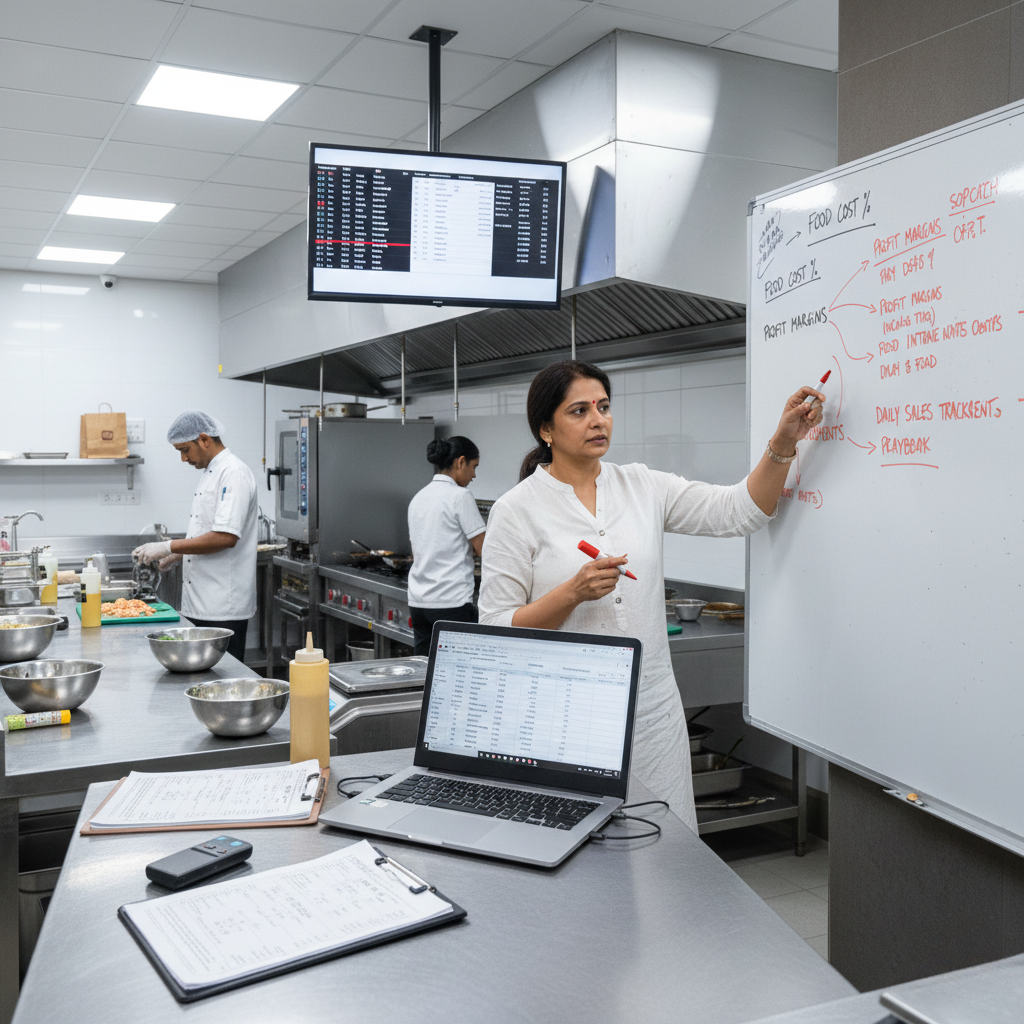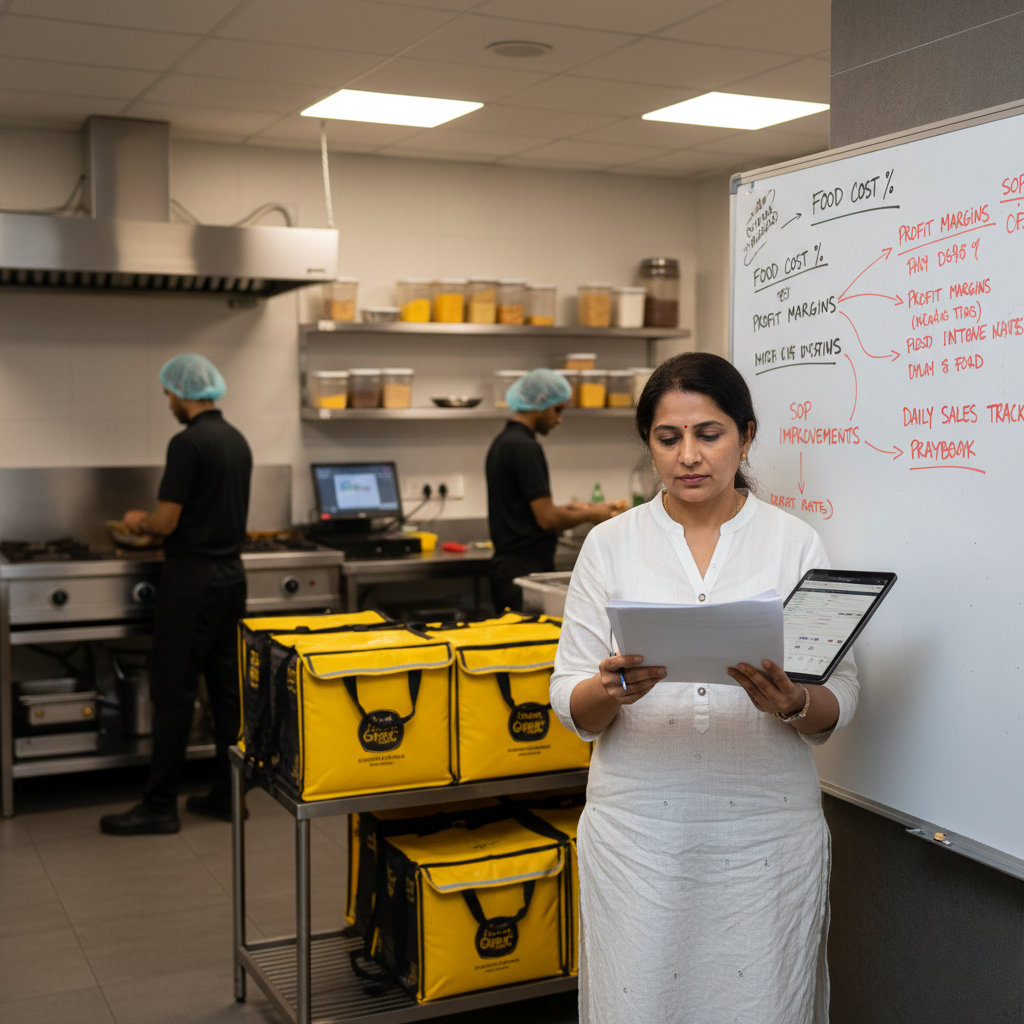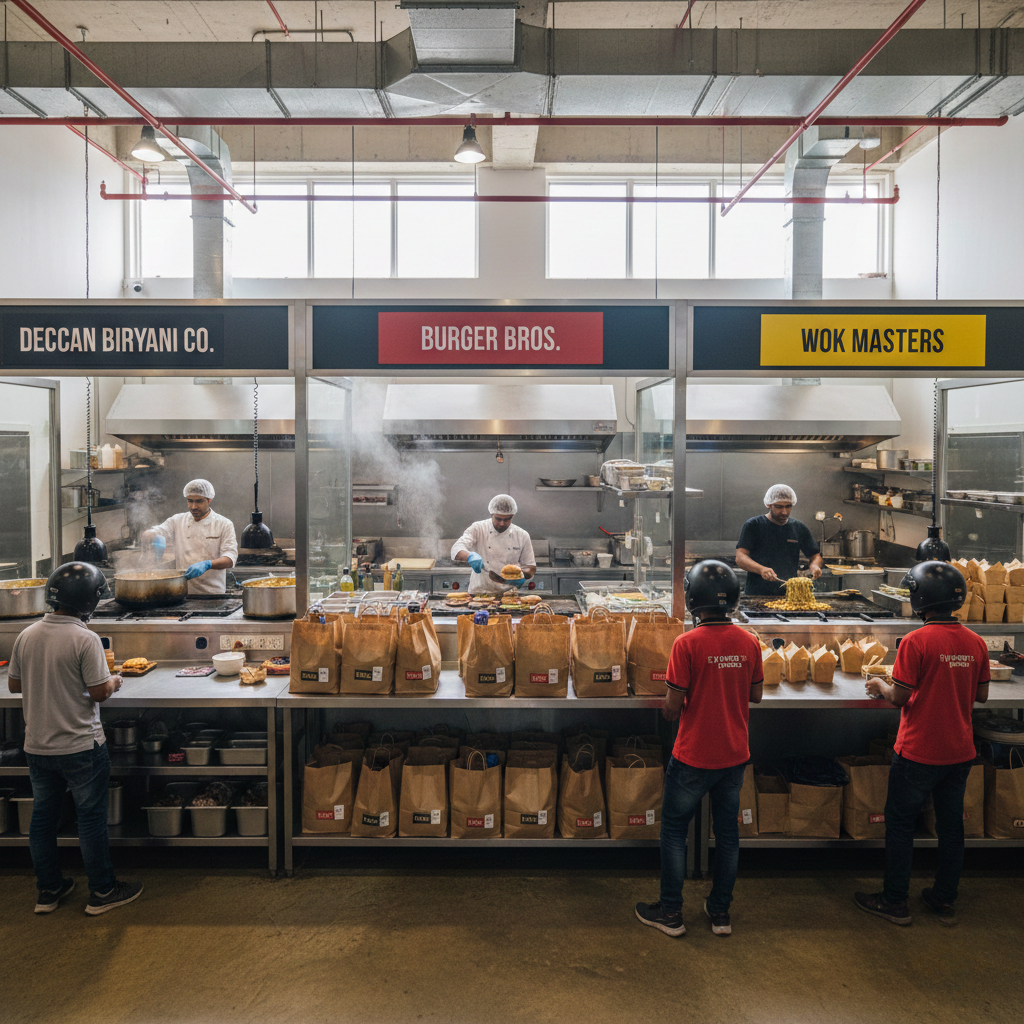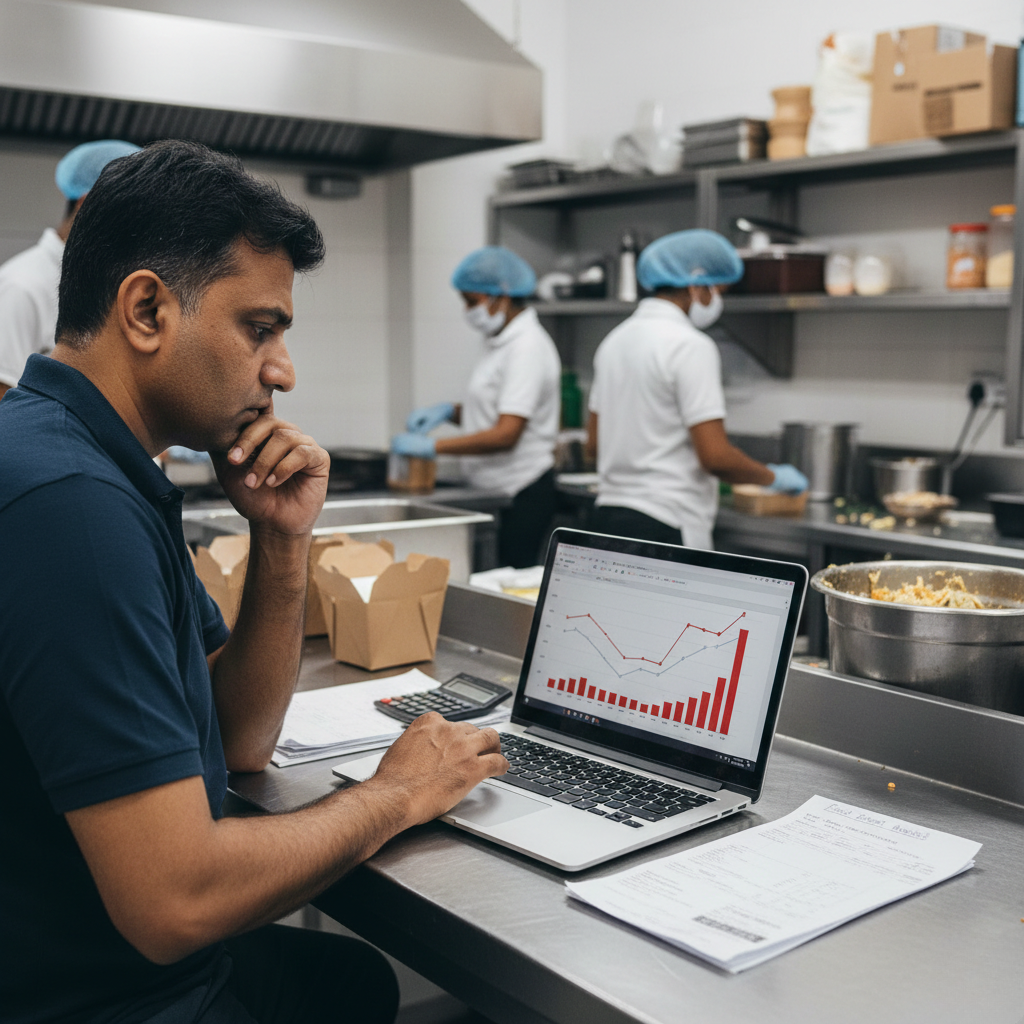
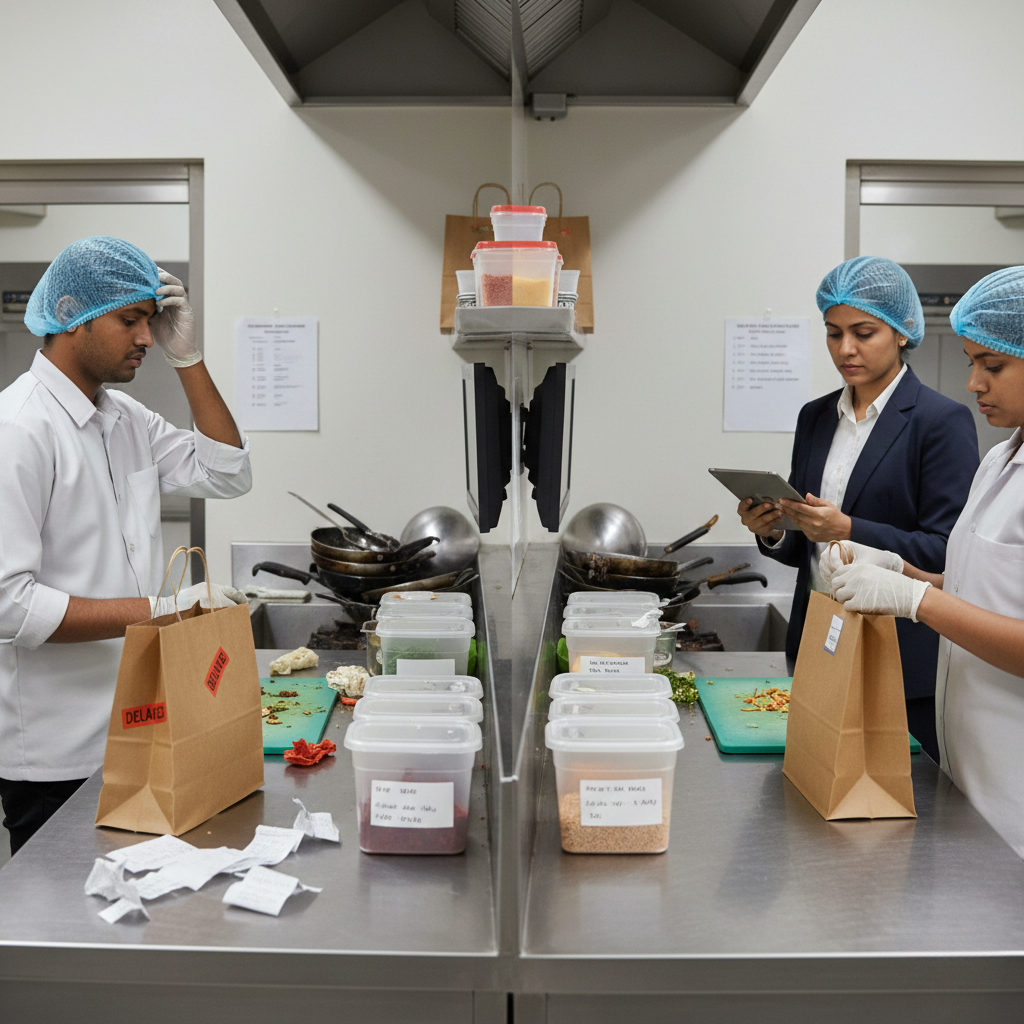
Cloud Kitchen Operations Problems and Solutions explains why most cloud kitchens in India struggle not because of demand, food quality, or effort, but because operations break silently as volume grows. Founders often sense that “something is wrong” but cannot clearly identify where problems originate. This guide breaks down the most common cloud kitchen operational problems, explains why they occur, and outlines system-level solutions that restore control, consistency, and profitability.
Why Cloud Kitchen Problems Are Mostly Operational
Most cloud kitchens begin with energy and momentum. Early volumes are manageable. Founders oversee everything personally. Issues are fixed informally. As orders increase, the same informal methods stop working. Problems multiply quietly until performance, ratings, and margins decline.
This is why operational discipline determines long-term survival, as explained in Cloud Kitchen Operations Consultant.
Understanding Operations as a System
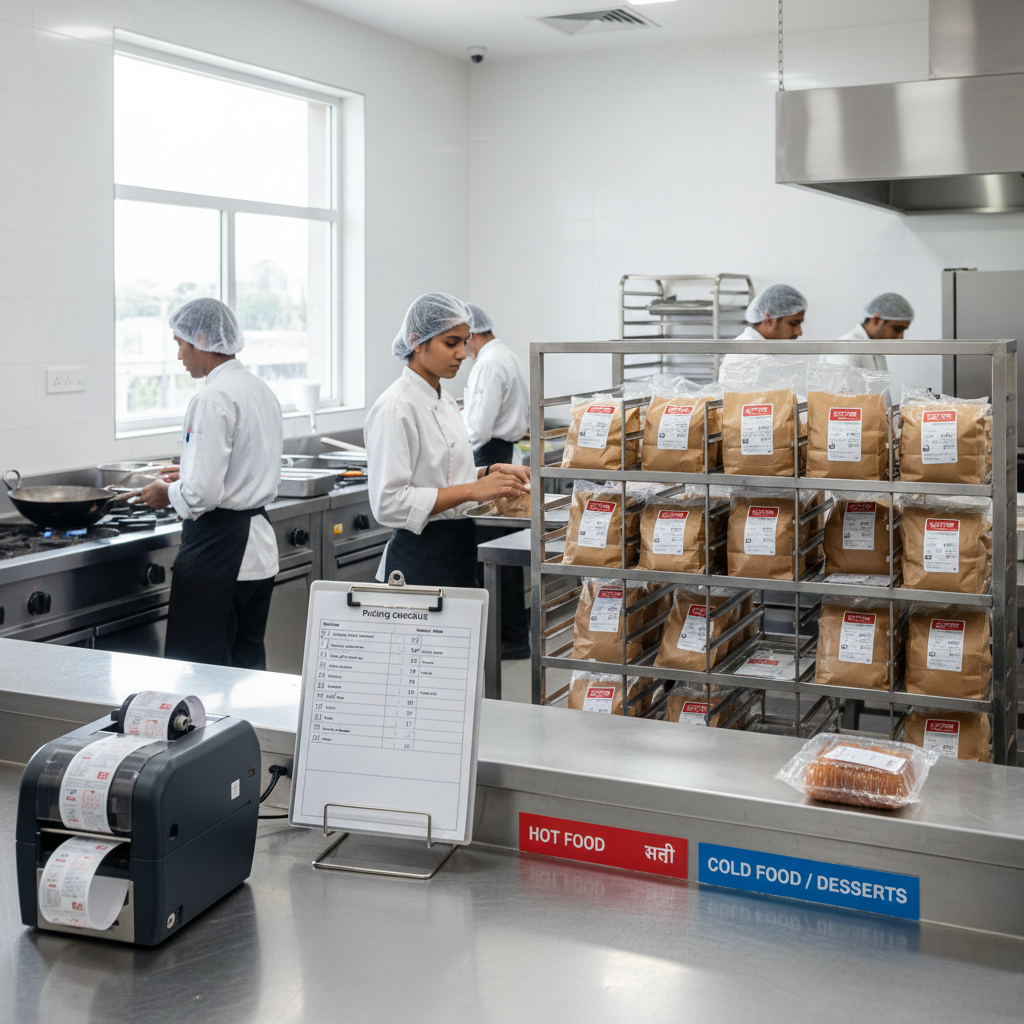
Operations are not individual tasks. They are connected systems that convert demand into delivery. When one part weakens, stress shifts elsewhere. Sustainable kitchens fix systems, not symptoms.
Problem: Frequent Delays During Peak Hours
One of the most common complaints is delayed orders during peak times. Kitchens assume the issue is high demand. In reality, delays are caused by weak prep planning, poor sequencing, and last-minute cooking. Solution: Structured daily prep planning aligned with demand forecasts.
This relationship is detailed in How Prep Planning Reduces Delays & Refunds.
Problem: Dispatch Chaos and Rider Delays
Riders waiting, orders piling up, and staff confusion are clear signs of dispatch failure. Even when food is ready, handover gets delayed. Solution: Dedicated dispatch roles, order staging, and clear dispatch SOPs.
Structured dispatch flow is covered in Cloud Kitchen Dispatch SOP.
Problem: Leakage, Spillage, and Customer Complaints
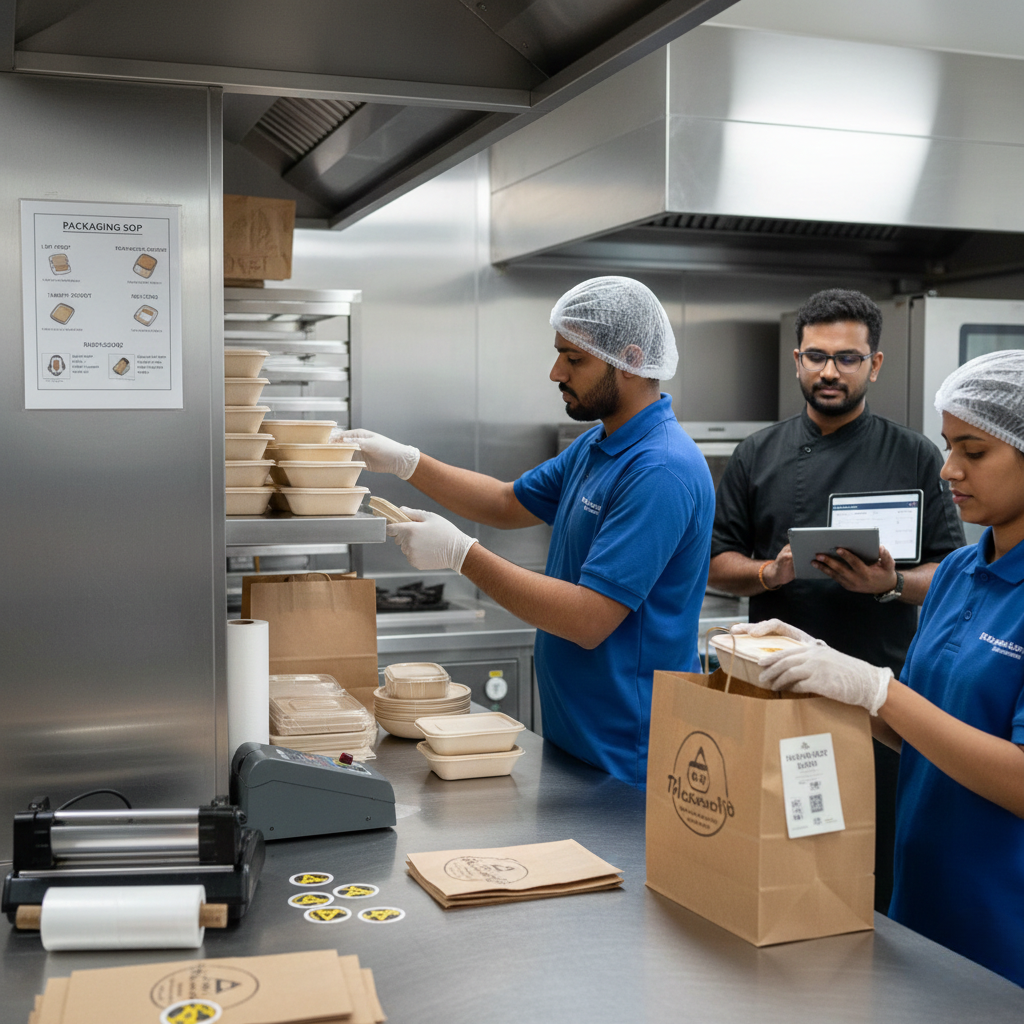
Leakage and soggy food dominate negative reviews. Kitchens often blame packaging vendors. In reality, packaging failures are operational failures. Solution: Treat packaging as part of the workflow, with clear SOPs and checks.
Learn this operational perspective in Why Packaging Is an Operational Decision.
Problem: Stockouts and Last-Minute Substitutions
Inventory issues disrupt service silently. Stockouts force substitutions, delays, and cancellations. Customers experience this as inconsistency or quality decline. Solution: Daily inventory tracking, reorder levels, and disciplined procurement.
Learn structured inventory systems in Cloud Kitchen Inventory Management in India.
Problem: Inconsistent Staff Performance
Founders often feel staff performance is unpredictable. The real issue is unclear roles and forced multitasking. Solution: Role-based operations with defined ownership and accountability. This approach reduces errors without increasing headcount.
Problem: Slow Movement and Congested Kitchens
Poor kitchen layout increases unnecessary movement. Staff cross paths. Prep blocks cooking. Packing interrupts service. Solution: Layouts designed around workflow, not equipment placement. Learn common mistakes in Kitchen Layout Mistakes That Slow Operations.
Problem: High Food Cost and Wastage
Wastage rarely appears as one big loss. It accumulates through over-prep, over-portioning, and re-makes. Solution: Portion discipline, yield tracking, and daily audits. Learn how wastage actually occurs in How Wastage Happens in Cloud Kitchens.
Problem: Falling Ratings on Swiggy and Zomato
Rating drops are symptoms, not causes. They reflect delayed orders, errors, and inconsistency. Solution: Treat ratings as operational feedback and fix execution gaps. This diagnostic approach is explained in Why My Cloud Kitchen Ratings Are Falling.
Why Systems Solve Multiple Problems at Once
Individual fixes create temporary relief. Systems create permanent stability. SOPs, checklists, audits, and role clarity eliminate guesswork. This reduces founder dependency and operational stress. Learn this shift in How Operations Systems Reduce Dependency on Founders.
How Solving Operations Problems Improves Profitability
Fewer delays reduce refunds. Better accuracy improves ratings. Lower wastage protects margins. Operational stability directly impacts profit, as explained in How Operations Impact Cloud Kitchen Profitability.
Cloud Kitchen Operations Problems and Solutions: Final Takeaway
Most cloud kitchen problems are not unique. They are predictable outcomes of missing systems. Kitchens that replace urgency with structure regain control, consistency, and confidence. Proven frameworks from GrowKitchen help founders diagnose and solve operational problems without burning out.
FAQs: Cloud Kitchen Operations Problems
Are these problems normal during growth?
Yes, but only temporarily. Persistent problems signal broken systems.
Can small kitchens implement these solutions?
Yes. Smaller teams benefit faster from structure.
Do operations fixes require more staff?
Usually no. They improve productivity per person.
How quickly do results appear?
Initial stability is often visible within weeks.