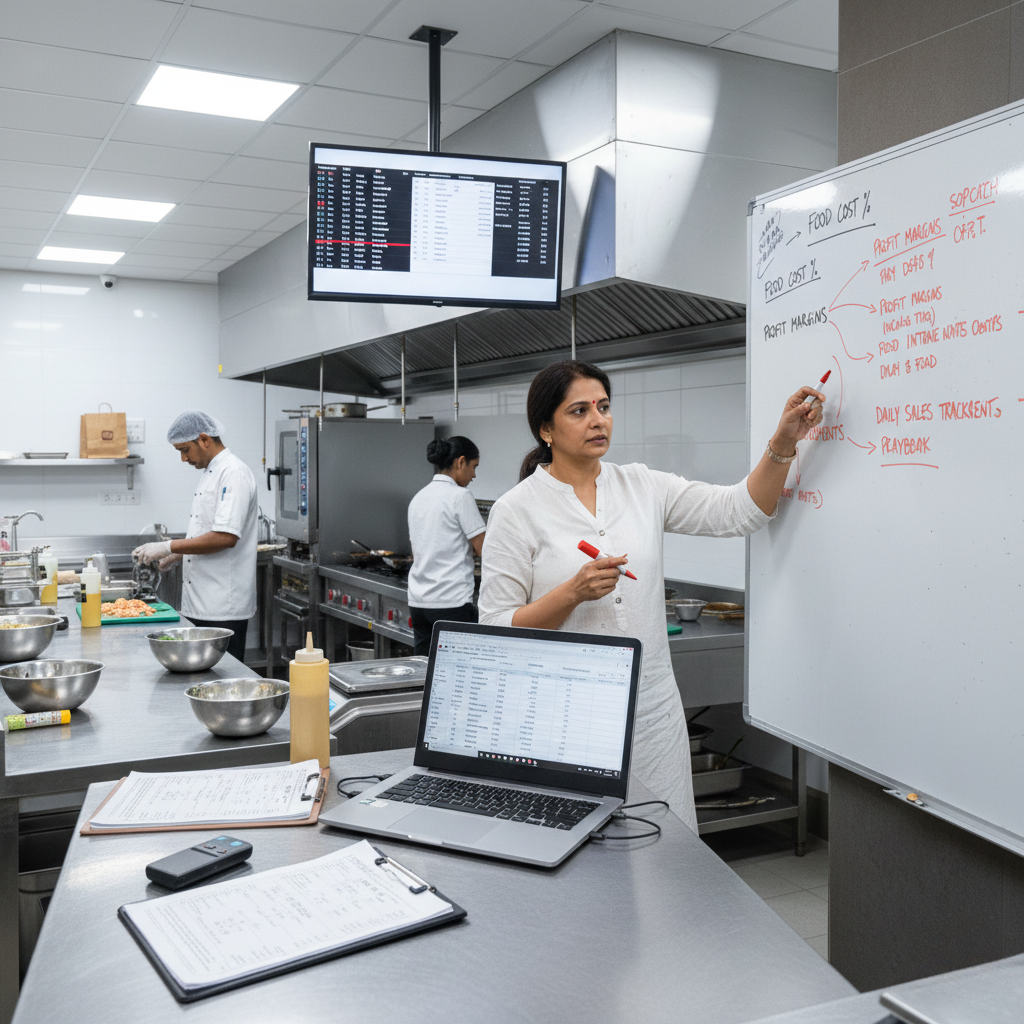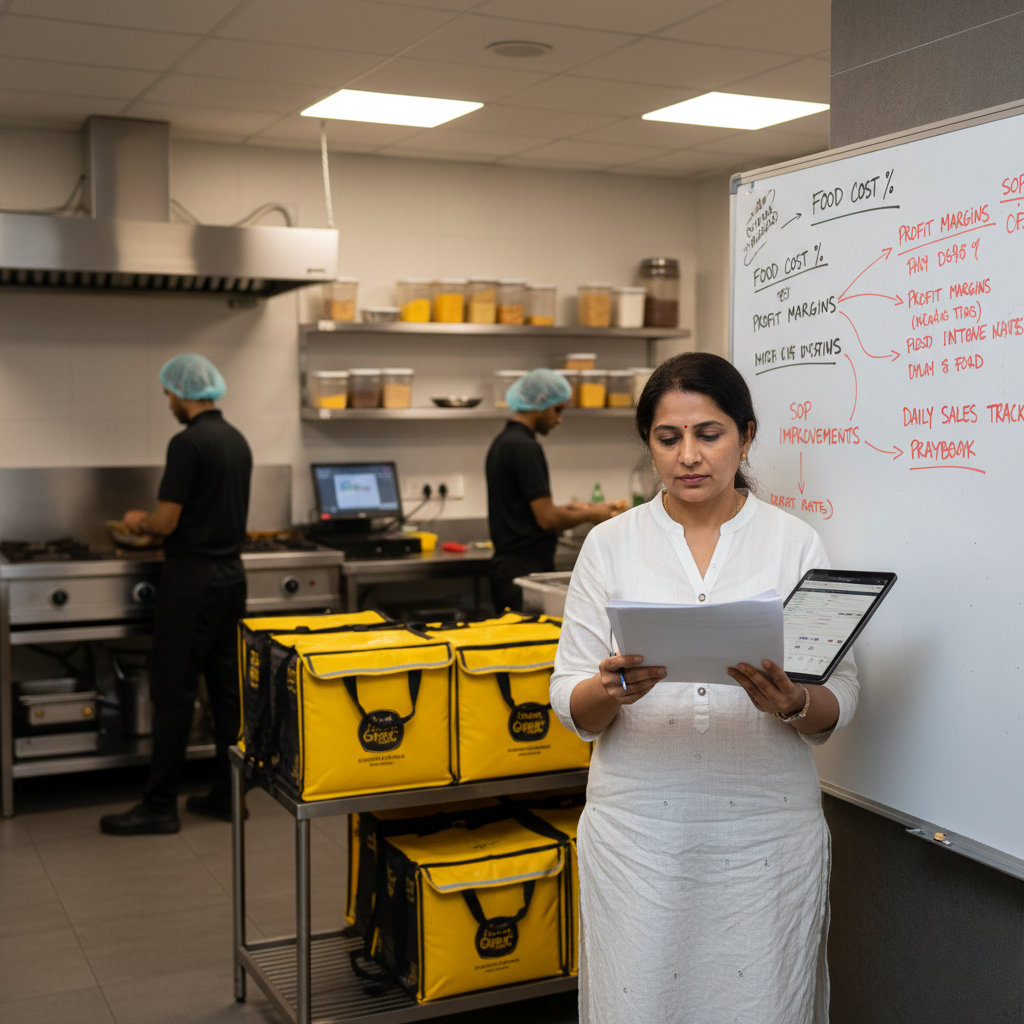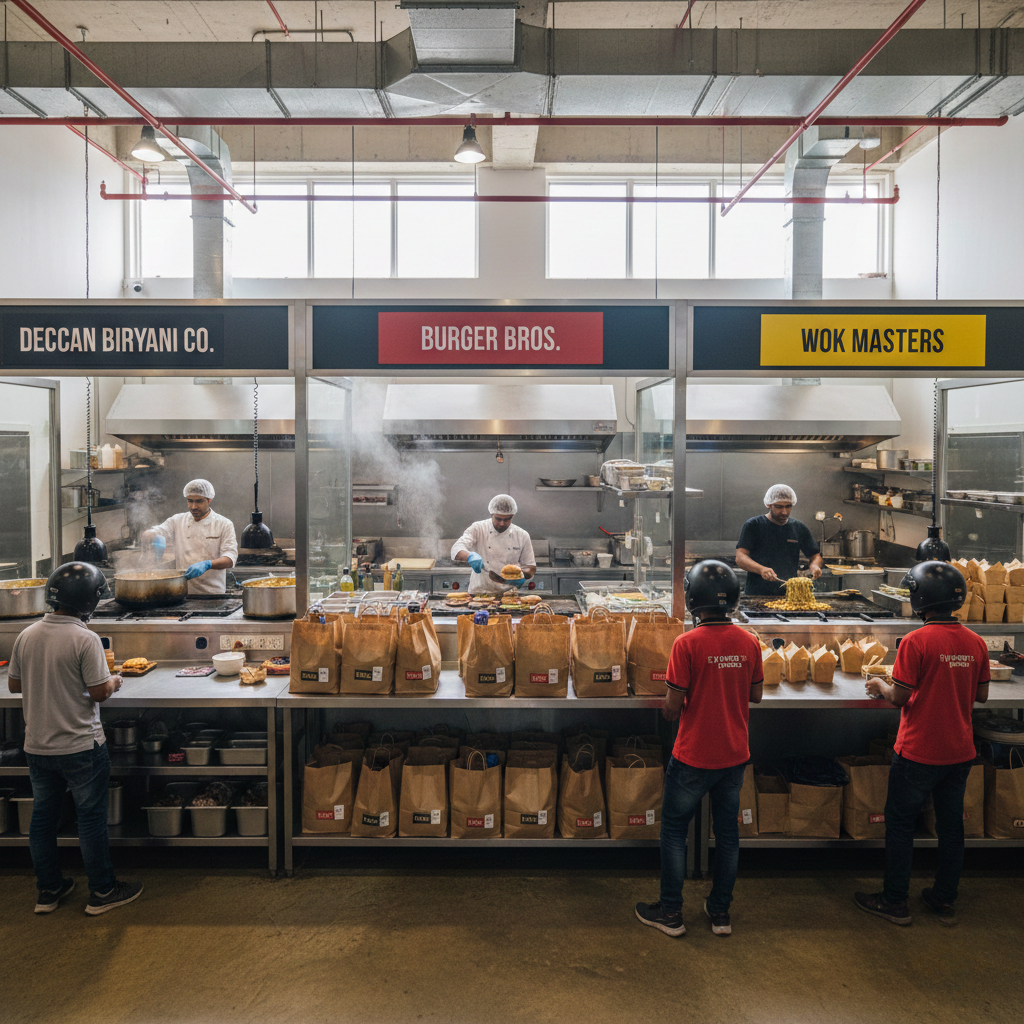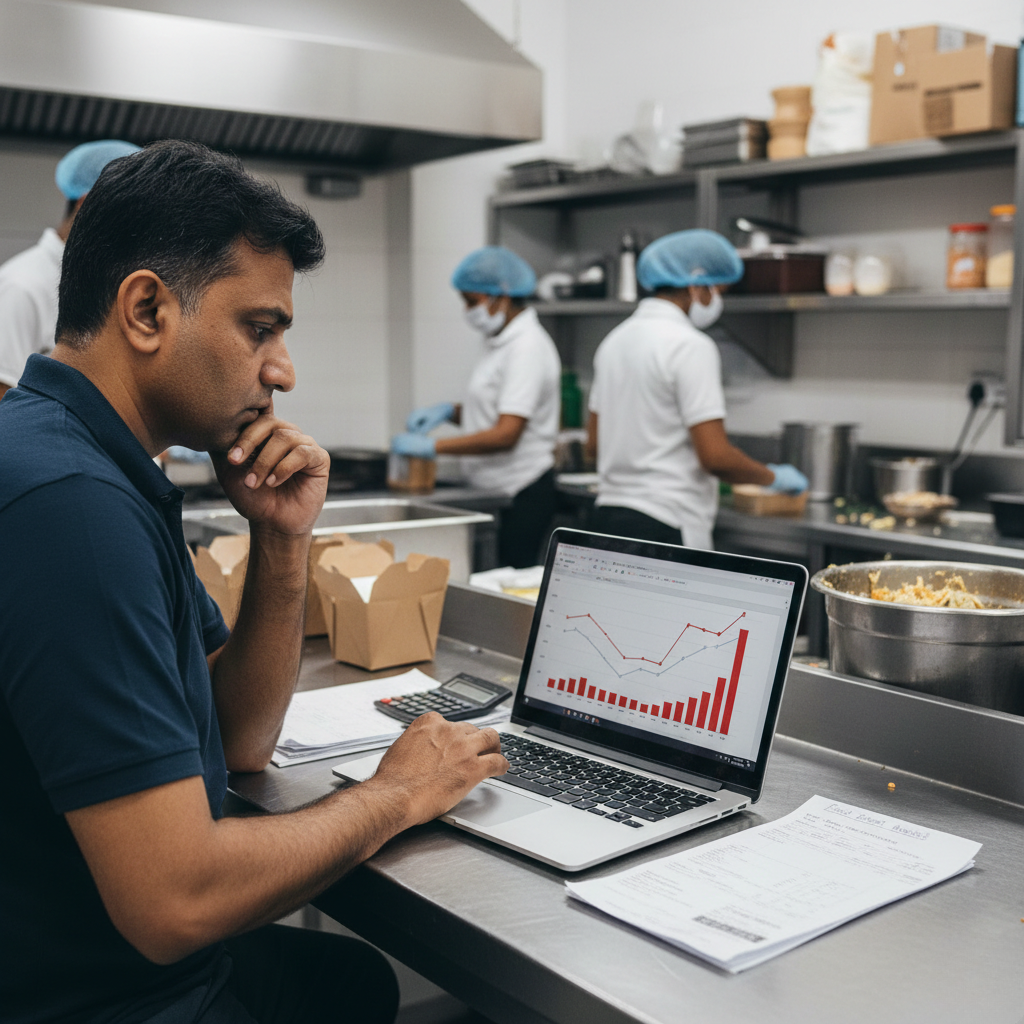
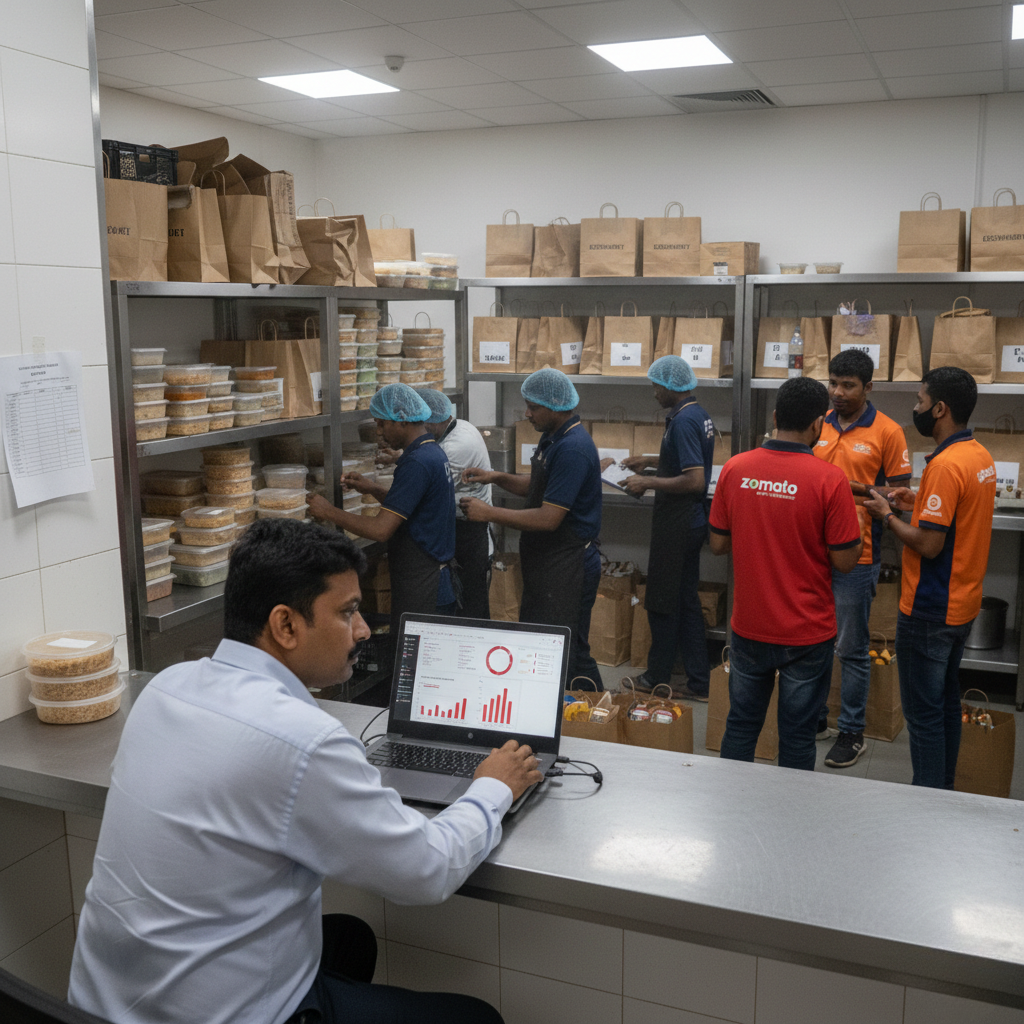
Why Cloud Kitchens Fail After Initial Growth-The early success phase of a cloud kitchen can be dangerously misleading. Orders start flowing in, aggregator dashboards look healthy, ratings feel encouraging, and founders believe they have “cracked the model.” Yet across India, a large number of cloud kitchens collapse precisely after this initial growth phase. This is not bad luck. It is the result of structural, operational, and financial weaknesses that growth exposes instead of fixing. This informational guide explains why most cloud kitchens collapse after initial growth, what founders misunderstand during this phase, and how sustainable brands avoid this trap.
Initial Growth Is the Most Dangerous Phase
Initial growth gives founders confidence. Orders increase, staff stays busy, and cash flow feels healthier than before. Unfortunately, growth also hides inefficiency.
Cloud kitchens operate on thin margins. When volume increases without operational control, losses scale faster than profits. This is why many kitchens fail not at launch, but three to twelve months later.
If you are still building a clear understanding of the cloud kitchen model, begin with Cloud Kitchen Operations Consultant. and Cloud Kitchen Business in India.
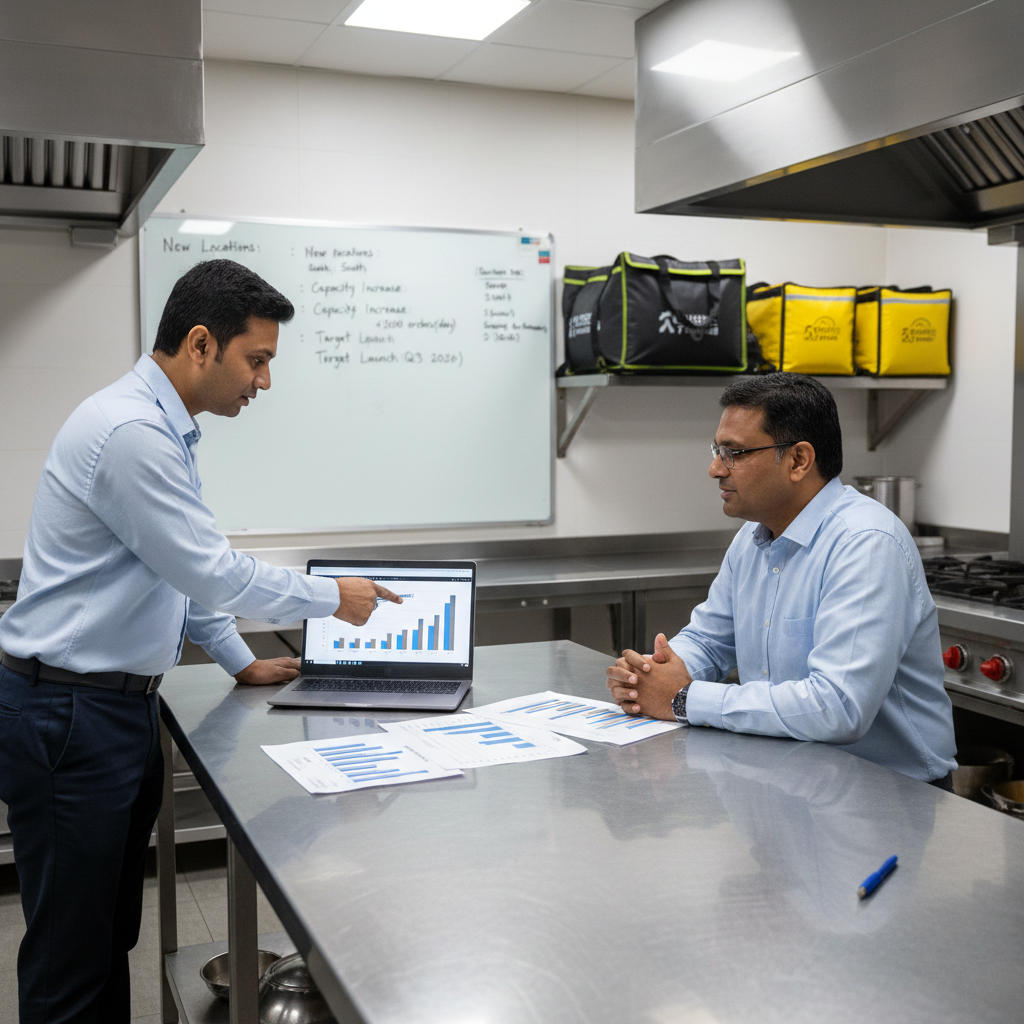
Why Early Success Creates False Confidence
Early growth often comes from discounts, aggregator visibility, and novelty. These drivers increase orders but do not improve fundamentals.
Founders mistake order volume for business health. They assume that if demand exists, profitability will automatically follow. In cloud kitchens, this assumption is fatal.
The Revenue Illusion
One of the biggest reasons cloud kitchens collapse after growth is the revenue illusion. Monthly sales numbers look impressive, but contribution margin per order is ignored.
When food cost, packaging, commission, discounts, refunds, and manpower are not tracked at the unit level, kitchens unknowingly sell loss-making orders at scale.
This problem is explained in depth in Cloud Kitchen Profit Margin in India.
Operations Break Under Growth Pressure
Systems that work for 20–30 orders a day rarely work at 100–150 orders. Without documented SOPs, staff relies on verbal instructions and shortcuts.
Errors increase during peak hours. Packing mistakes, delayed dispatch, and inconsistent food quality lead to refunds and bad reviews.
This operational breakdown is a key reason discussed in Why Cloud Kitchens Fail in India.
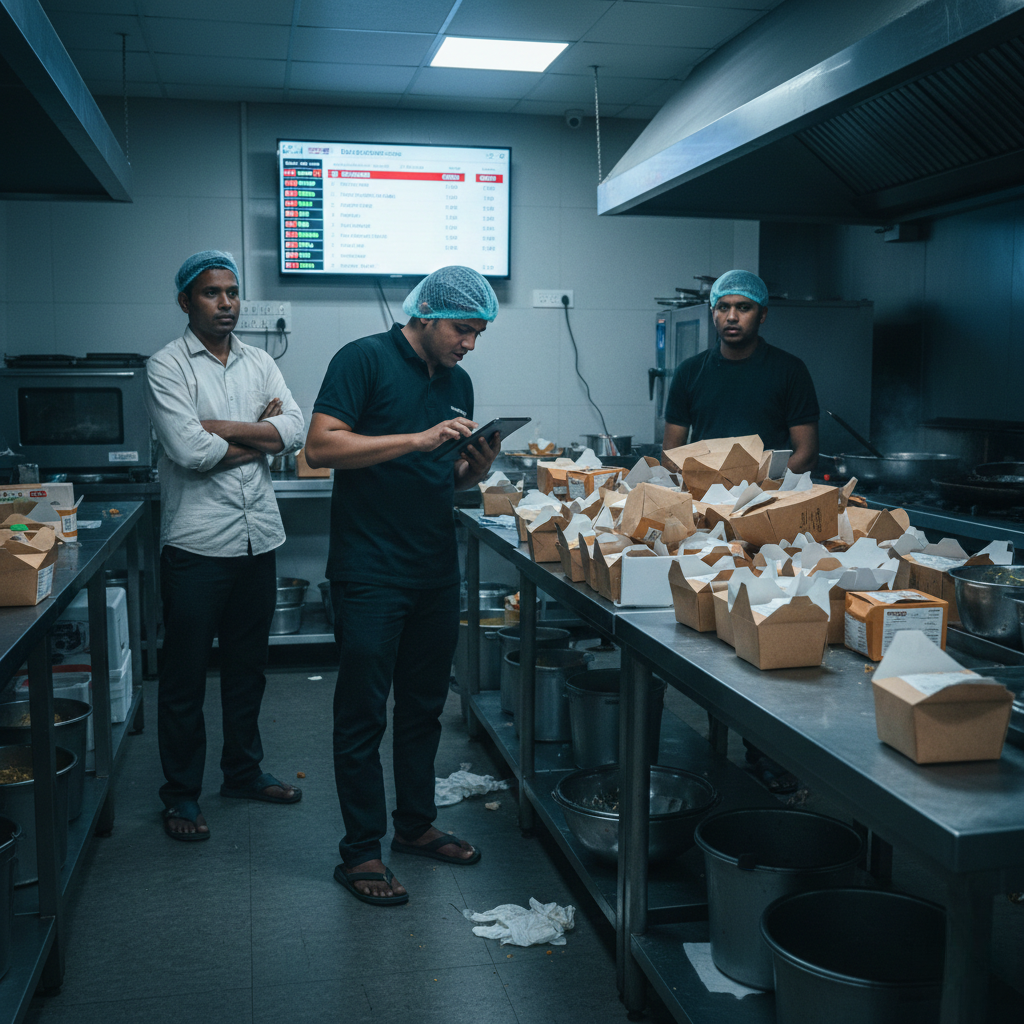
Inventory Chaos After Growth
Growth increases purchasing complexity. More ingredients, higher quantities, and faster stock movement introduce risk.
Kitchens that do not track inventory daily face wastage, expiry, and cash flow pressure. These losses do not show immediately but accumulate silently.
Strong inventory discipline is explained in Cloud Kitchen Inventory Management in India.
Dispatch Failures Destroy Customer Trust
As order volume increases, dispatch becomes the weakest link. Kitchens rush orders to keep up, skipping verification and packing checks.
Customers experience missing items, spillage, or cold food. Ratings drop, refunds increase, and aggregator visibility declines.
This is why structured dispatch systems are critical, as explained in Cloud Kitchen Dispatch SOP.
Manpower Becomes a Bottleneck
Initial growth increases pressure on staff. Longer hours, unclear roles, and constant firefighting lead to burnout.
Attrition rises, training costs increase, and founders become personally involved in daily problem-solving. This dependence makes scaling unsustainable.
Overdependence on Aggregators
During early growth, many kitchens rely heavily on Swiggy and Zomato. Discounts and ads drive volume but reduce net realization.
When commission structures change or ad costs increase, kitchens suddenly become unviable.
Understanding aggregator economics early is critical for survival. Learn more in How to Reduce Swiggy Commission and ecosystem insights from GreenSaladin.
Scaling Before Stabilizing
Many founders interpret early growth as a signal to expand quickly. New locations, new brands, and higher marketing spend follow.
Without stable unit economics and operational control, expansion multiplies losses instead of profits.
This mistake is common in kitchens that skip foundational systems, as discussed in Cloud Kitchen Scaling Strategy.
Final Thoughts: Growth Is a Test, Not a Trophy
Most cloud kitchens collapse not because they grow too slowly, but because they grow without control.
Initial growth tests systems, exposes weaknesses, and demands discipline.
Kitchens that pass this test become scalable businesses. Those that ignore it collapse under their own success.
Frameworks from GrowKitchen help founders turn early growth into long-term stability.
FAQs: Why Cloud Kitchens Collapse After Initial Growth
Why do cloud kitchens fail after early success?
Because growth exposes weak operations and poor unit economics.
Is early growth a bad sign?
No, but it requires stronger systems and discipline.
Can collapsing cloud kitchens be fixed?
Yes, if operational and financial issues are addressed early.
Should expansion wait until operations are stable?
Absolutely. Scaling should follow control, not excitement.