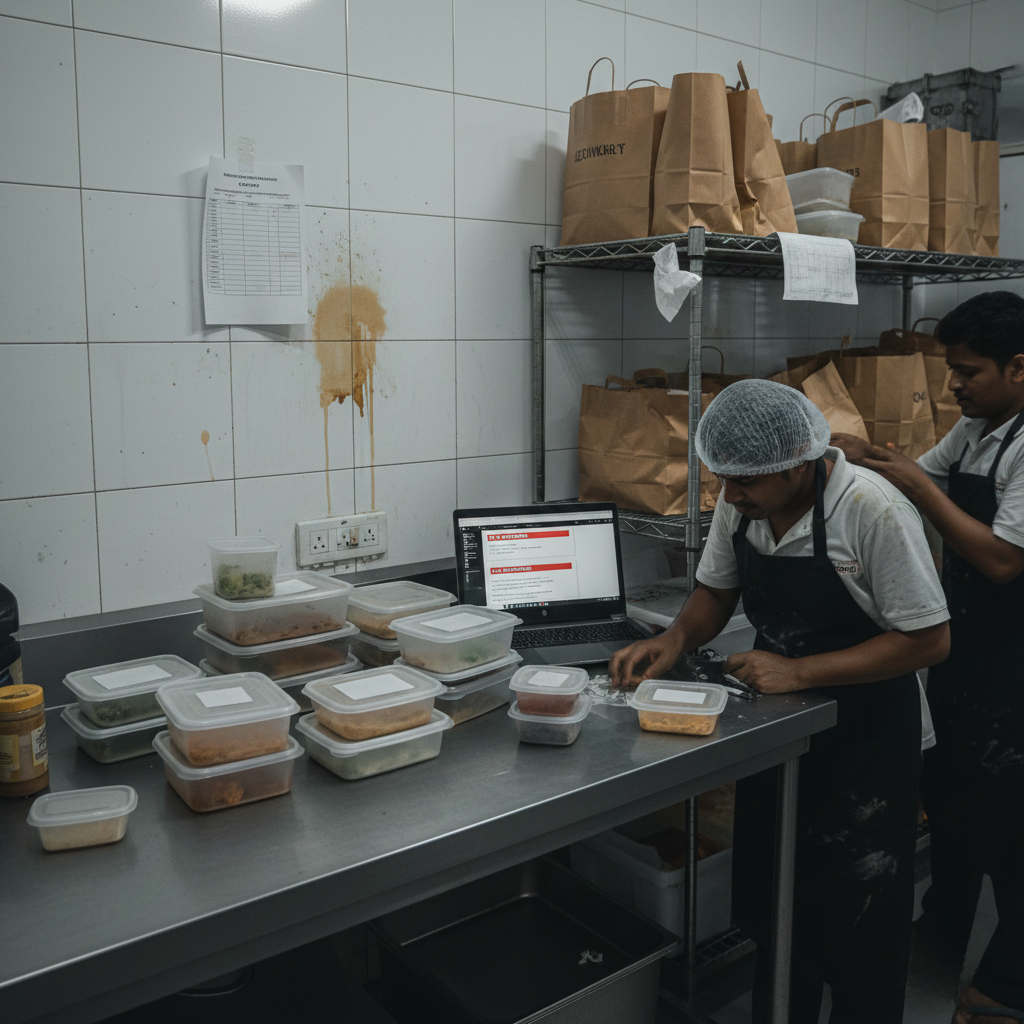
Common Operational Mistakes in Cloud Kitchens-Most cloud kitchens don’t fail because the food is bad or demand is low. They fail because of everyday operational mistakes that compound quietly. These mistakes rarely look dangerous in isolation. But when repeated daily, they destroy margins, consistency, ratings, and founder sanity. This informational guide explains the most common operational mistakes in cloud kitchens, why founders overlook them, and how strong operators avoid them before losses become permanent.
Why Operational Mistakes Are Hard to Spot
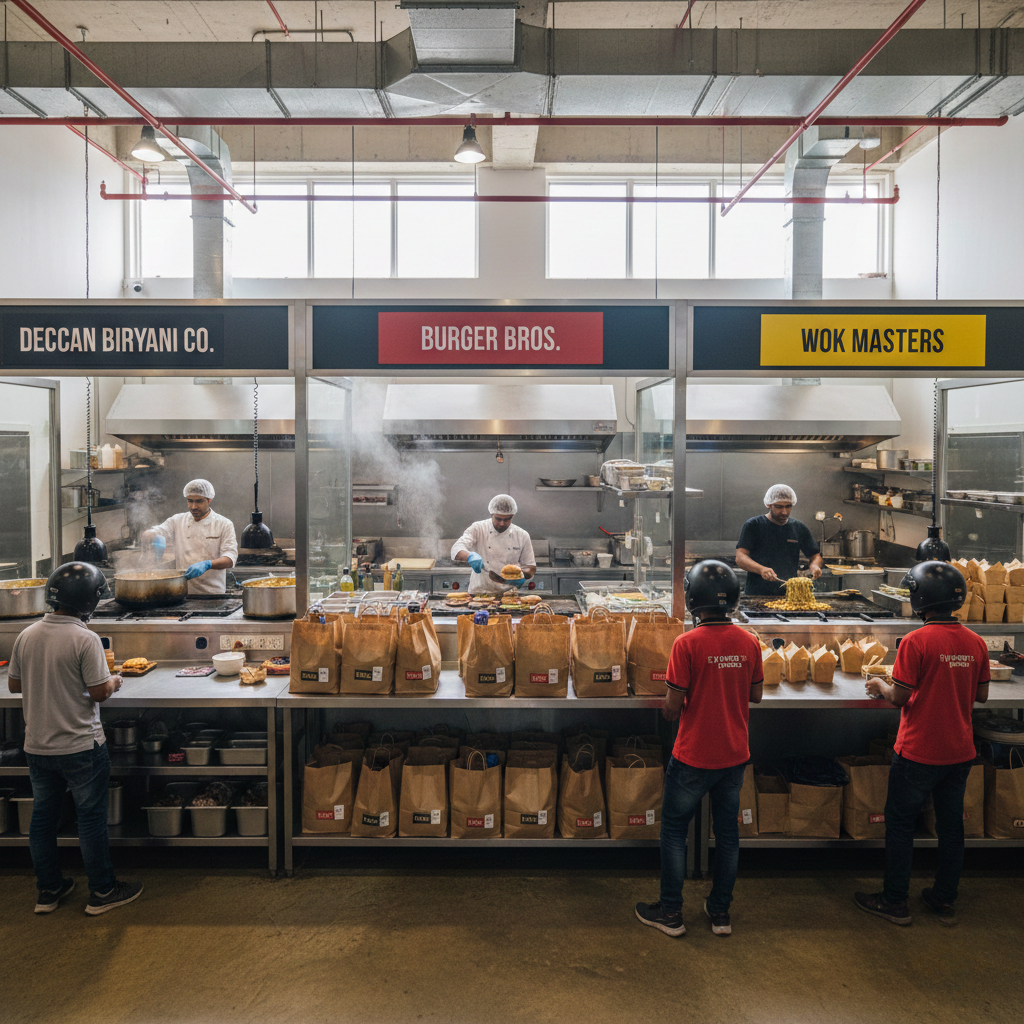
Cloud kitchens are fast-moving, high-pressure environments. Orders keep flowing, dashboards look active, and kitchens feel busy. This activity often hides inefficiency.
Unlike traditional restaurants, cloud kitchens operate on thin margins. A small daily mistake does not trigger alarms. It simply reduces profit silently. Over weeks and months, these leaks accumulate into losses that founders struggle to explain.
If you are still understanding how cloud kitchens actually function, start with Cloud Kitchen Operations Consultant. and Cloud Kitchen Business in India to build foundational clarity.
Why “Busy” Kitchens Still Lose Money
Many founders assume that if the kitchen is busy, profitability will follow. In cloud kitchens, this assumption is dangerous.
Volume amplifies both efficiency and inefficiency. If operations are weak, more orders simply mean faster losses. This is why some kitchens doing ₹10–15 lakhs per month still struggle to break even.
Running the Kitchen Without Daily Control Systems
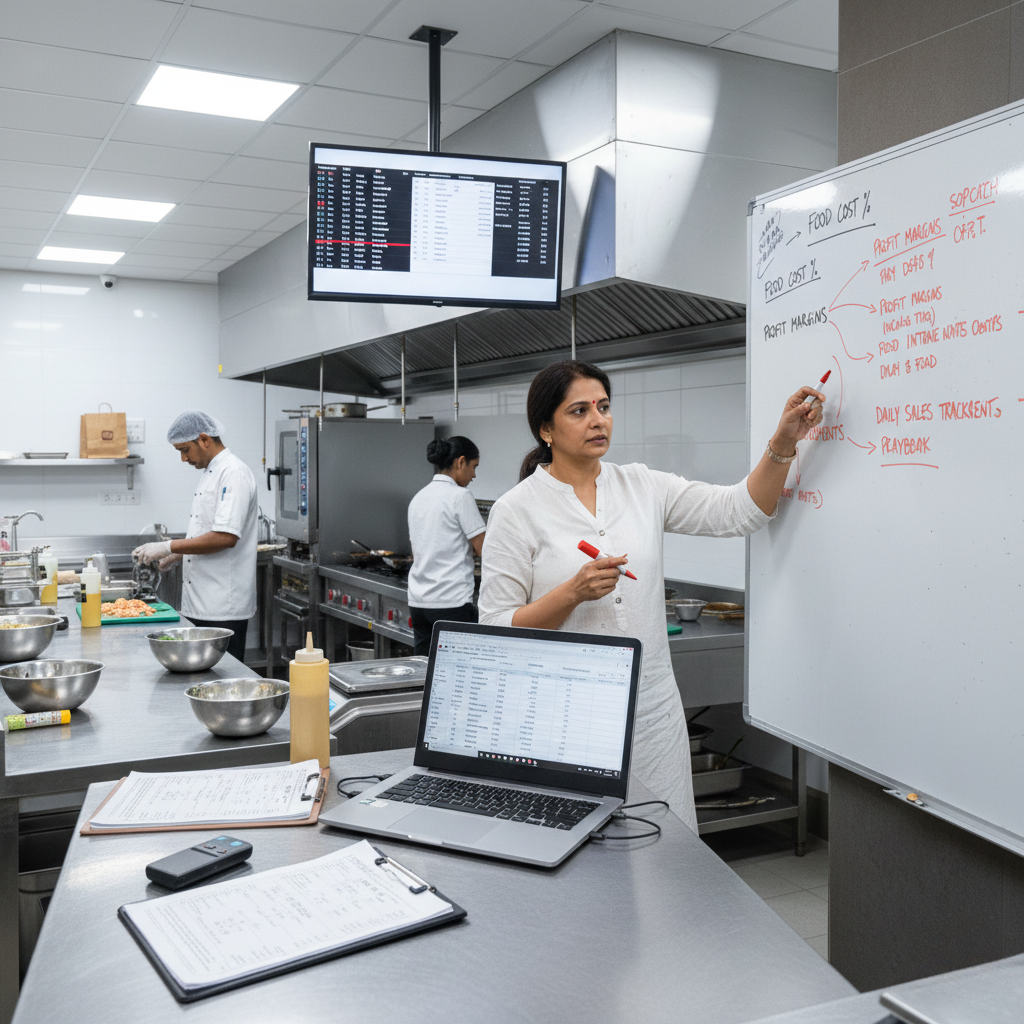
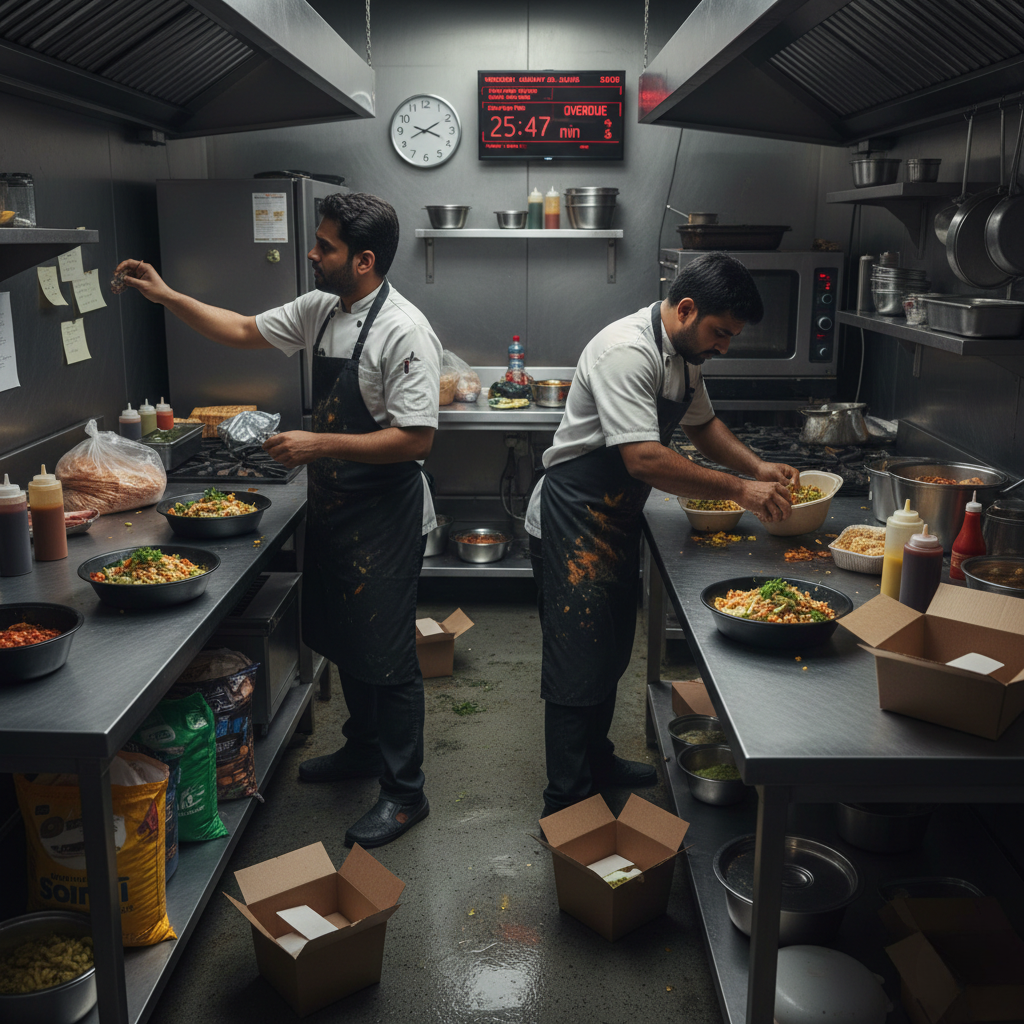
One of the biggest operational mistakes is running a cloud kitchen without daily tracking systems. Many founders review numbers weekly or monthly, assuming that problems will show up clearly in the P&L.
In reality, most operational losses happen daily. Food overuse, packing errors, small wastage, and minor delays never look alarming on their own. Without daily dashboards and checklists, these issues remain invisible.
This is why strong kitchens rely on daily routines, not monthly reviews. You can see how daily discipline works in Daily Operations Checklist for Cloud Kitchens.
Ignoring Portion Control and Recipe Discipline
Portion creep is one of the most common and expensive mistakes. It usually starts with good intentions. Cooks add a little extra to be generous or avoid complaints.
Over time, portion sizes drift away from costing assumptions. Different cooks serve different quantities. Food cost increases silently, and margins collapse.
Kitchens that do not enforce gram-based recipes eventually lose control over unit economics. Portion discipline is a core part of the Cloud Kitchen SOP Checklist.
Running Inventory Without Visibility
Inventory mismanagement is rarely dramatic. There is no single day where everything goes wrong. Instead, losses happen slowly through expiry, spoilage, over-purchasing, and untracked usage.
Many kitchens do not reconcile stock daily. They discover inventory issues only when cash flow tightens. By then, the damage is already done.
Inventory discipline is explained in depth in Cloud Kitchen Inventory Management in India.
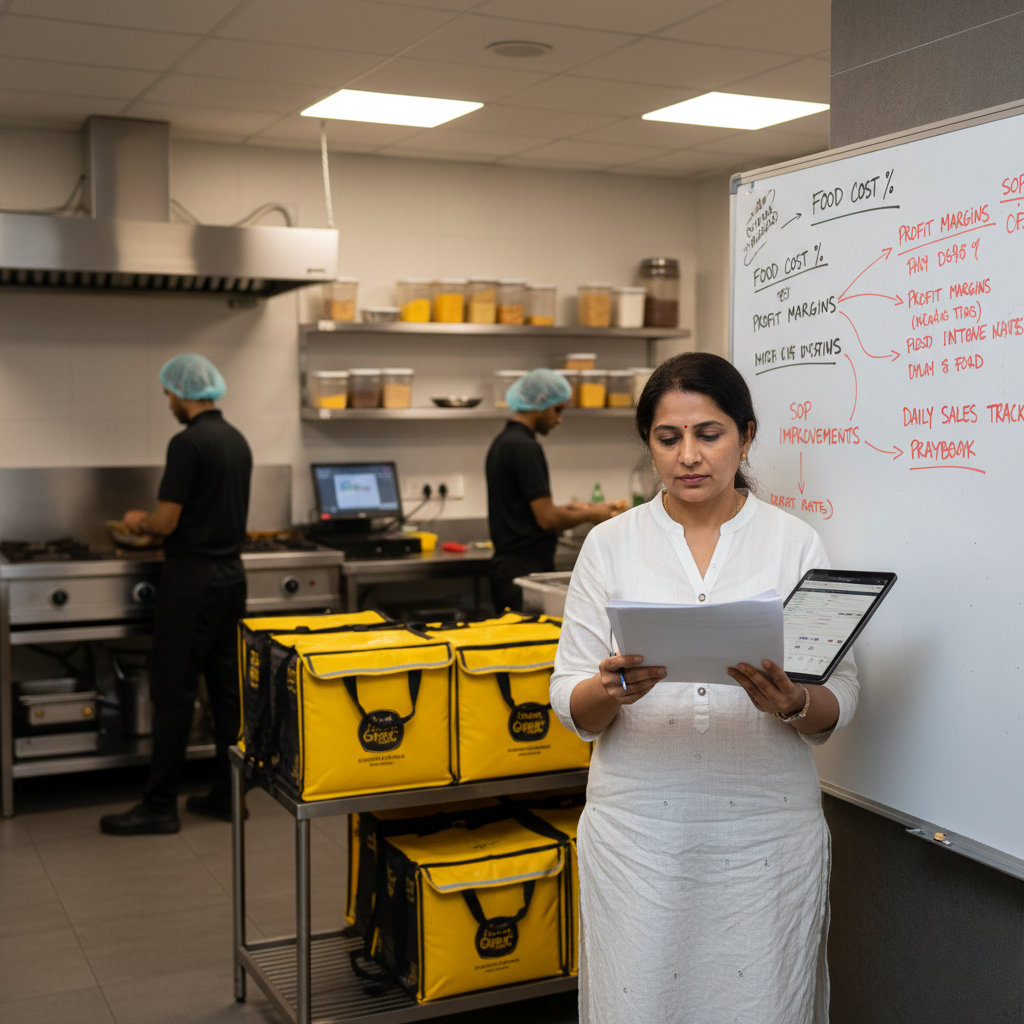
Underestimating Dispatch and Packing Errors
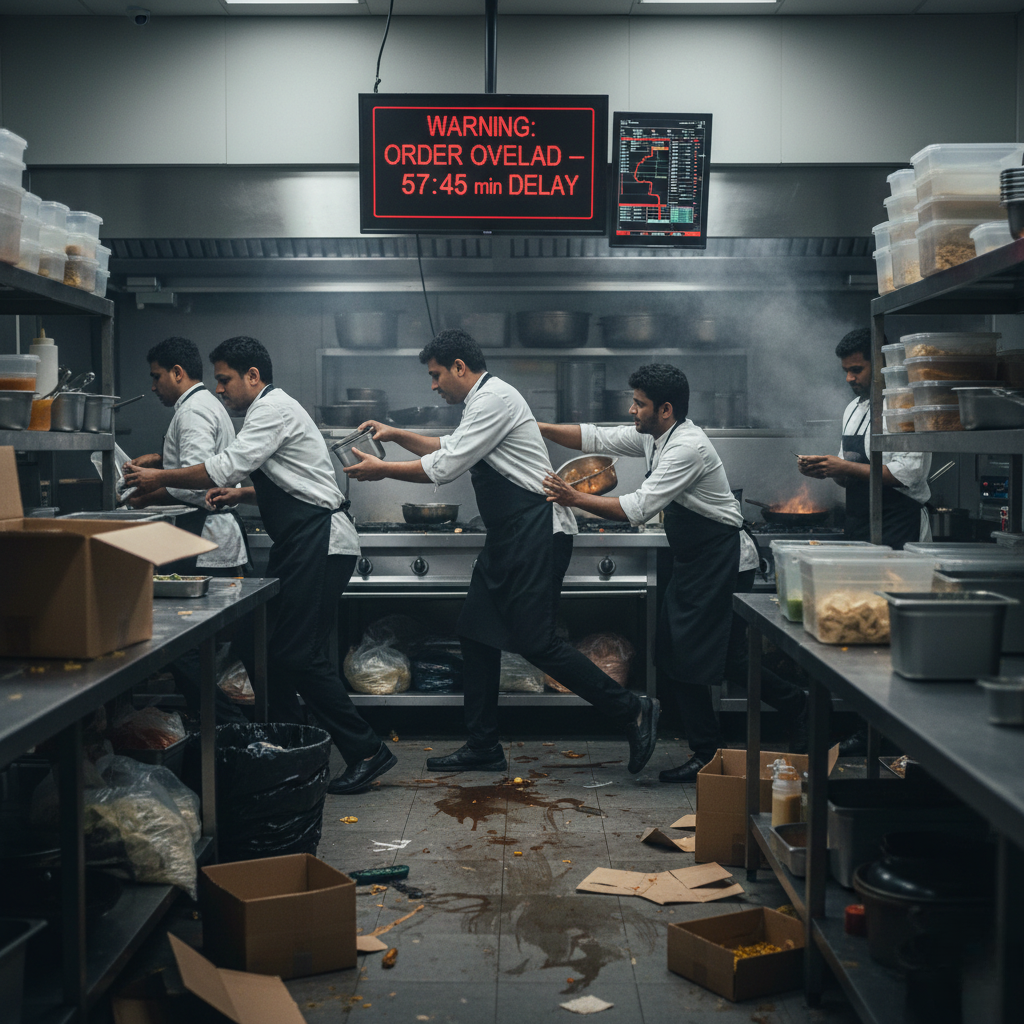
Many founders believe food quality is the main driver of ratings. In reality, dispatch errors cause far more complaints.
Missing items, wrong orders, spillage, and late handovers lead to refunds, bad reviews, and reduced visibility on Swiggy and Zomato.
Dispatch errors directly destroy profit because the kitchen loses food cost, packaging cost, and platform penalties at once. This is why structured dispatch systems matter, as explained in Cloud Kitchen Dispatch SOP.
Letting Manpower Run Without Structure
Another common mistake is assuming manpower problems are unavoidable in cloud kitchens. High attrition, absenteeism, and inconsistent performance are often accepted as “industry reality.”
In truth, most manpower issues are operational issues. Lack of role clarity, poor shift planning, and founder-dependent decision-making create chaos and burnout.
Strong operations replace heroics with systems, reducing daily firefighting.
Misunderstanding Aggregator Economics
Many cloud kitchens price food without fully understanding aggregator deductions. Commission, GST, discounts, ads, and refunds together remove a large portion of revenue.
When operations do not account for net realization, kitchens unknowingly sell loss-making orders. This mistake becomes deadly at scale.
You can understand this better in Cloud Kitchen Profit Margin in India and practical insights from GreenSaladin.
Collecting Data but Not Using It
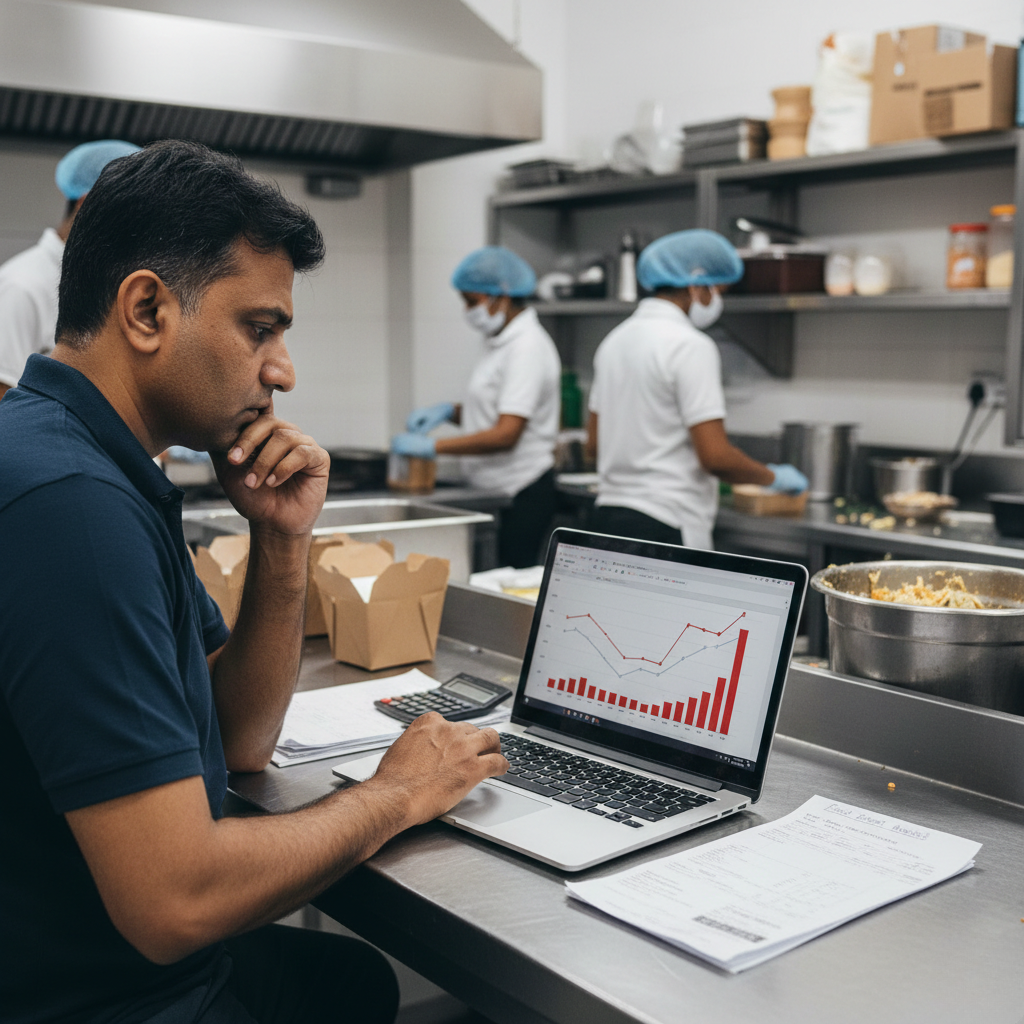
Many kitchens have access to dashboards, POS reports, and aggregator analytics. Yet very few founders review this data daily.
Data without action is useless. Refund reasons, food cost variance, and SKU performance reveal exactly where operations are breaking.
Kitchens that review data daily fix problems early instead of firefighting later.
Scaling Before Fixing Operational Leaks
One of the most damaging mistakes is scaling a kitchen that is not operationally stable.
Opening new locations, adding brands, or increasing ad spends magnifies existing inefficiencies. What felt manageable at low volume becomes unmanageable at scale.
This mistake is discussed in detail in Why Cloud Kitchens Fail in India.
How Consultants Help Eliminate These Mistakes
Cloud kitchen consultants do not fix problems with motivation. They fix them with systems.
By mapping workflows, enforcing SOPs, building dashboards, and creating accountability, consultants remove the root causes of operational mistakes.
These systems are part of the Cloud Kitchen Operations Framework.
Final Thoughts: Mistakes Compound Faster Than Success
Cloud kitchens rarely collapse overnight. They decline slowly through repeated operational mistakes.
The good news is that most of these mistakes are preventable. Strong daily systems turn fragile kitchens into stable businesses.
Frameworks from GrowKitchen help founders replace operational chaos with control.
FAQs: Common Operational Mistakes in Cloud Kitchens
Are operational mistakes more dangerous than marketing mistakes?
Yes. Marketing mistakes are visible and reversible. Operational mistakes silently destroy profit every day.
Can small kitchens avoid these mistakes?
Yes. Small kitchens benefit the most from operational discipline.
How quickly can operations be fixed?
Most kitchens see improvement within 30–60 days once systems are implemented.
Do these mistakes happen even in high-rated kitchens?
Yes. Good ratings do not always mean good operations.