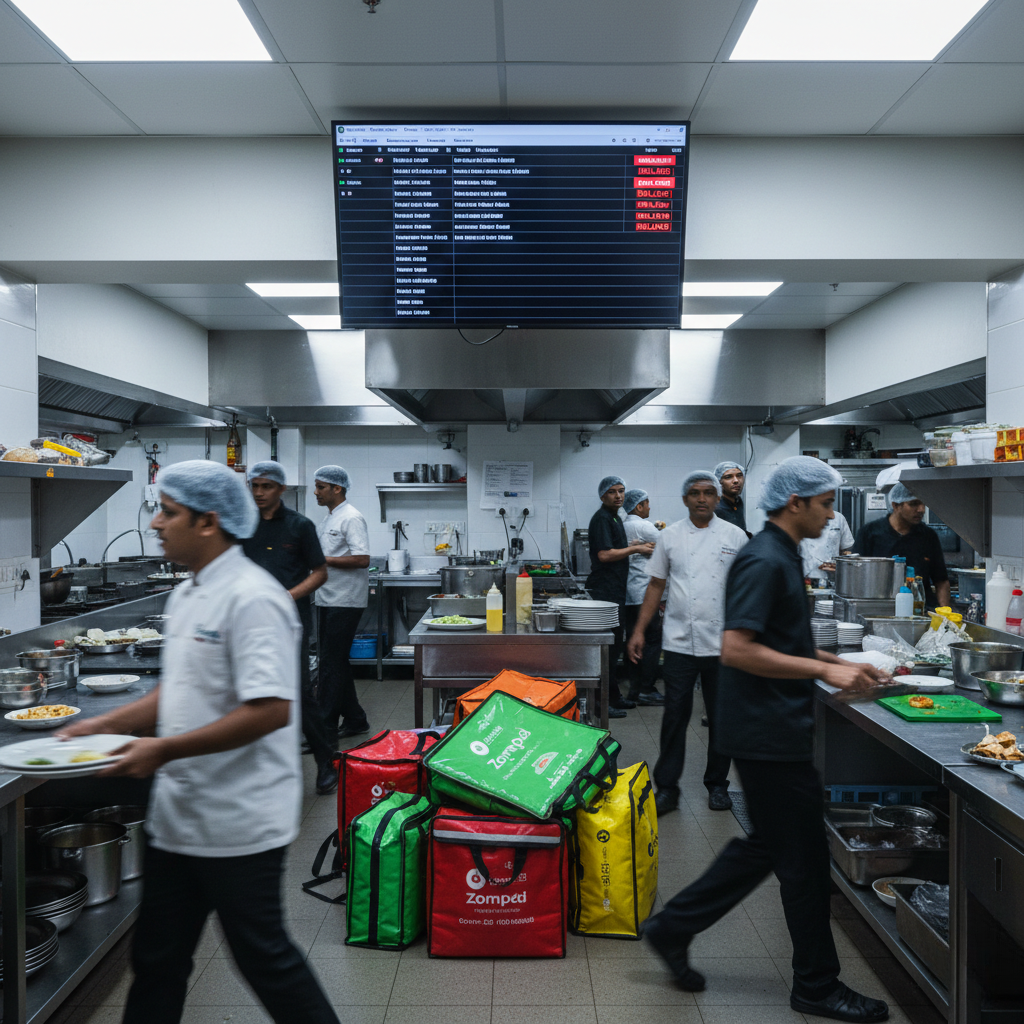
Cloud Kitchen Scaling Problems-Scaling a cloud kitchen sounds exciting-more orders, more locations, and higher revenue. But for most founders in India, scaling becomes the phase where profits collapse, quality drops, refunds increase, and operations spiral out of control. The reason is simple: most cloud kitchens try to scale revenue before they scale systems. This guide explains the real problems founders face while scaling cloud kitchens and the practical solutions used by successful multi-location brands in India.
Read This Before You Scale Your Cloud Kitchen
This article is part of GrowKitchen’s cloud kitchen growth and scalability series. If you are still validating your first kitchen, begin with Cloud Kitchen Business in India to understand the fundamentals before expansion.
Scaling only works when hygiene, compliance, and reporting discipline are stable. Ensure alignment with FSSAI, staff certification via FoSTaC, and proper tax reporting through the GST Network.
Why Most Cloud Kitchen Scaling Plans Fail
Most cloud kitchen founders believe scaling problems start after opening multiple locations. In reality, scaling problems start much earlier-when founders grow order volume without operational readiness.
A kitchen that struggles with consistency, margins, or refunds at one location will face multiplied chaos at two or five locations. Scaling does not fix problems; it magnifies them.

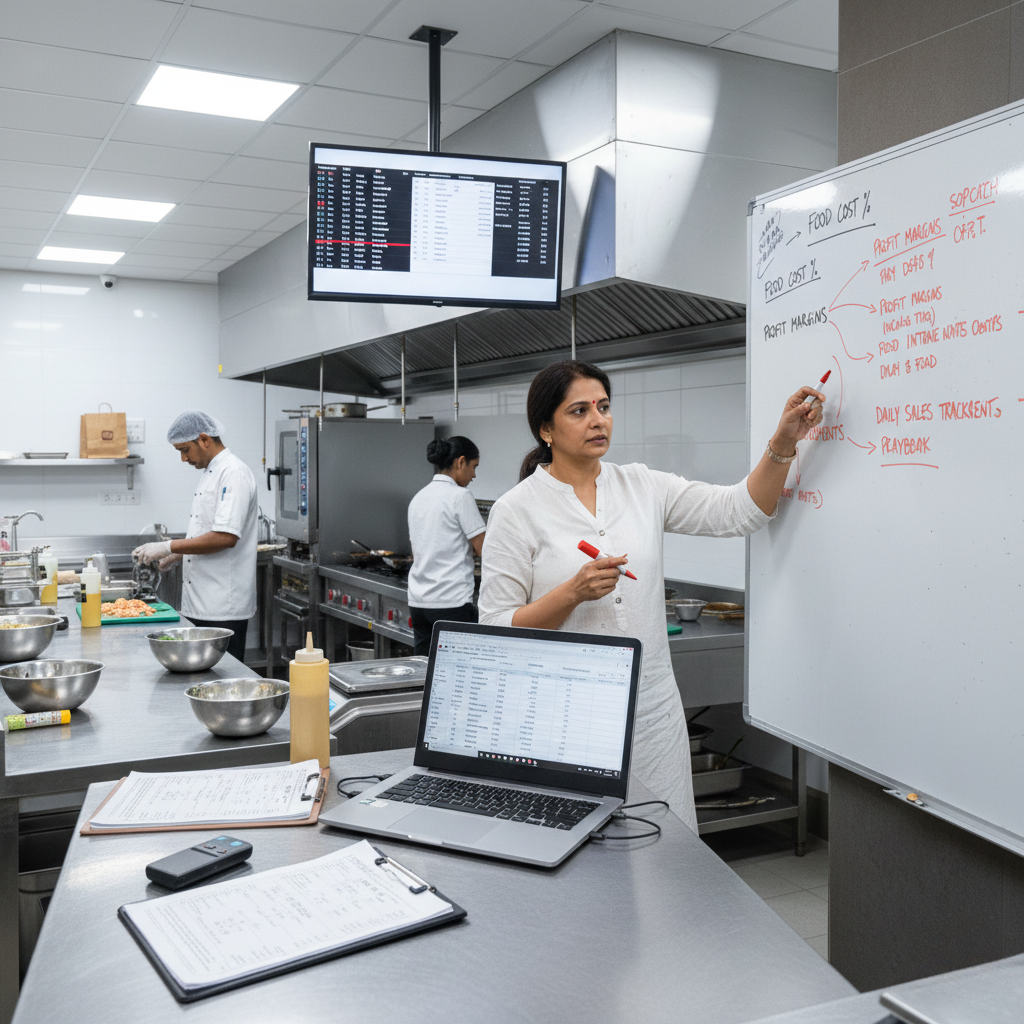
Scaling Problem #1: Weak Unit Economics
The biggest scaling mistake is expanding a kitchen that is not profitable at the unit level. Many founders assume volume will fix margins. In reality, losses grow faster than revenue.
- Low-margin SKUs driving most orders
- Pricing not adjusted for commissions
- Discounts running without contribution tracking
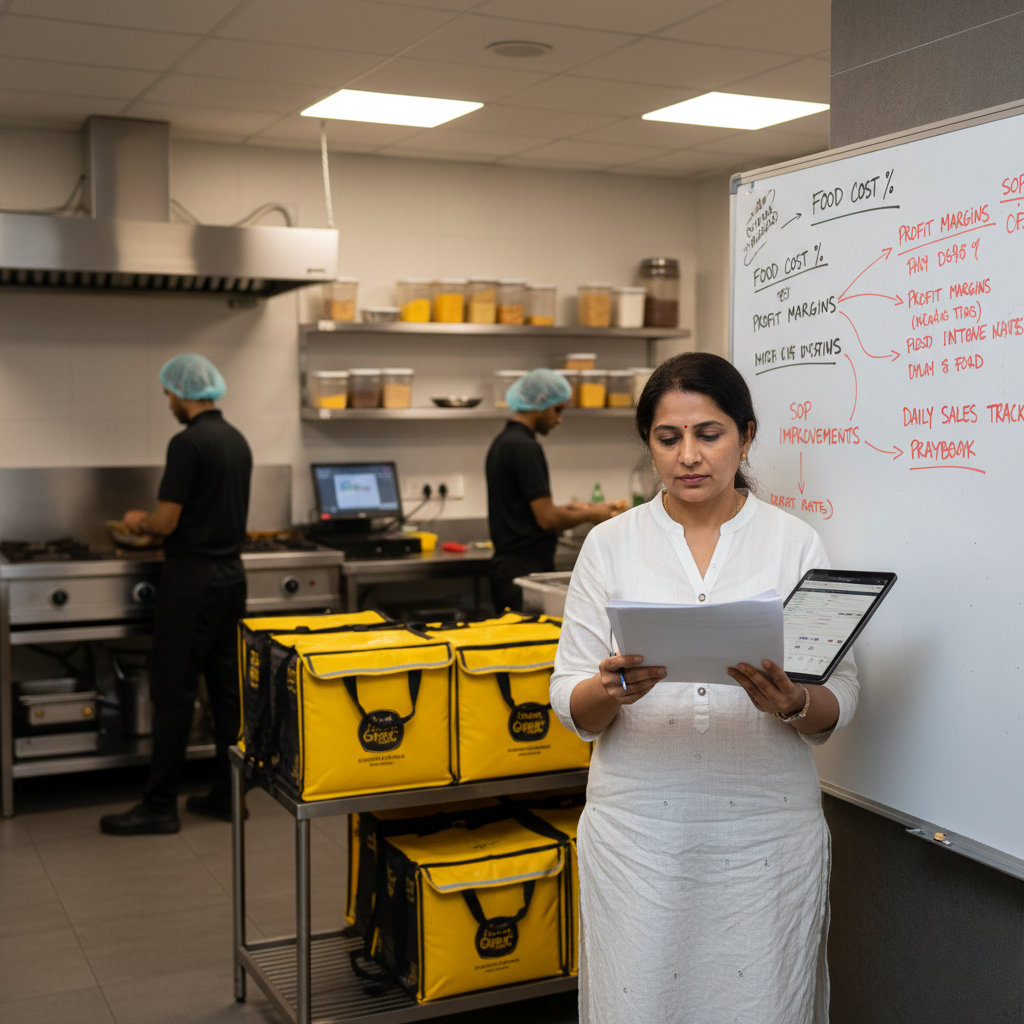
Solution: Fix unit economics before scaling. Use contribution margin per order as the primary metric, not monthly revenue.
This approach is detailed in Cloud Kitchen Profit Margin in India.
Scaling Problem #2: Inconsistent Food Quality
As kitchens scale, food quality often becomes inconsistent across locations. Different cooks interpret recipes differently, leading to customer complaints and rating drops.
- No standardized recipe cards
- No portion measurement tools
- Training dependent on individuals
Solution: Implement strict SOPs, gram-based recipes, and standardized prep workflows. Refer to the Cloud Kitchen SOP Checklist.

Scaling Problem #3: Manpower Chaos and Attrition
Scaling increases manpower complexity. Without systems, founders become dependent on senior cooks or managers, making expansion risky.
- High attrition during scale-up
- Inconsistent training
- Founder-dependent operations
Solution: Build role-based SOPs and reduce single-point dependency. Scalable kitchens train systems, not individuals.
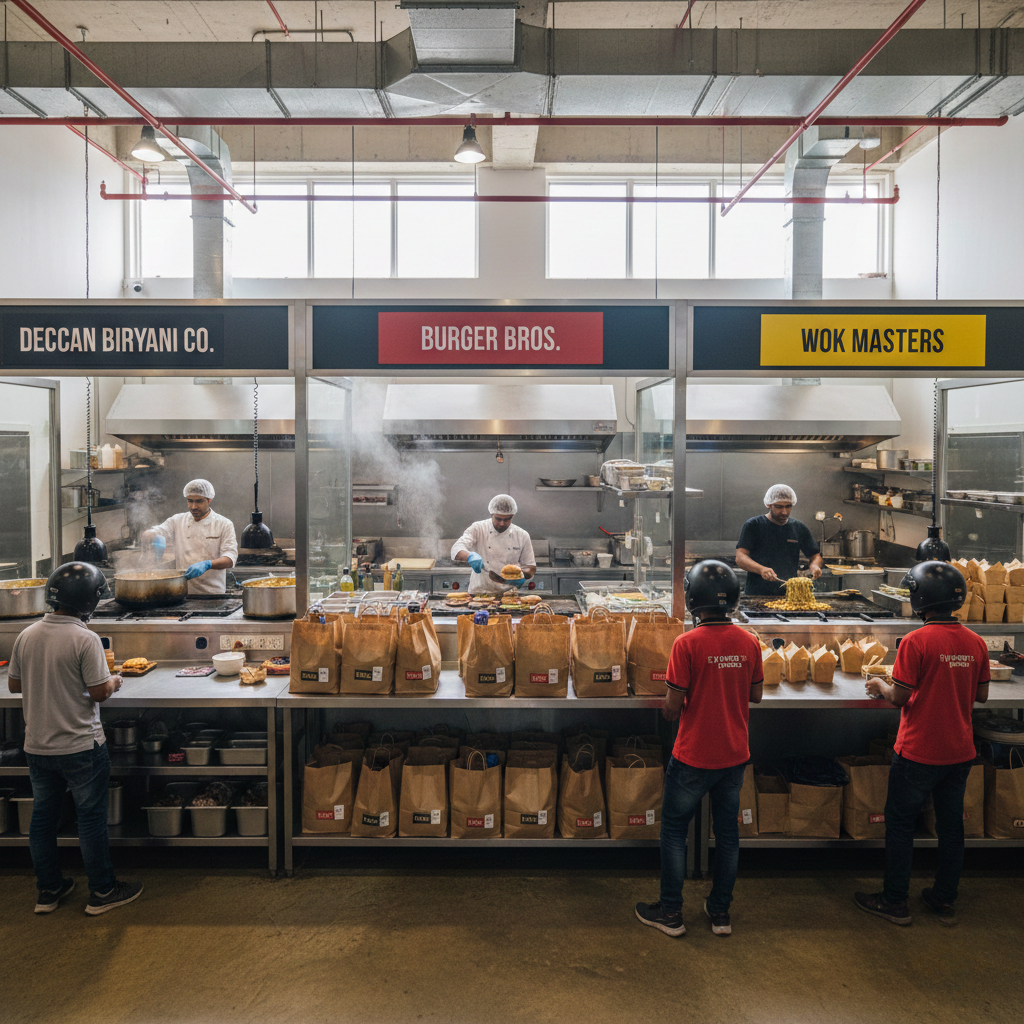
Scaling Problem #4: Packaging and Refund Explosion
Refunds increase sharply during scale. Poor packing discipline and dispatch errors multiply across locations.
- Wrong items packed
- Spillage during transit
- Delayed rider handoffs
Solution: Standardize packaging SKUs, introduce packing checklists, and design dispatch SOPs.
Scaling Problem #5: Aggregator Dependency
Scaling often increases dependence on Swiggy and Zomato. Higher commissions, ads, and discounts quietly erode profits.
- Commission impact ignored during expansion
- Ads used as default growth lever
- Discount addiction
Solution: Use commission-adjusted pricing and selective discounting. Learn tactics from How to Reduce Swiggy Commission and ecosystem insights from GreenSaladin.
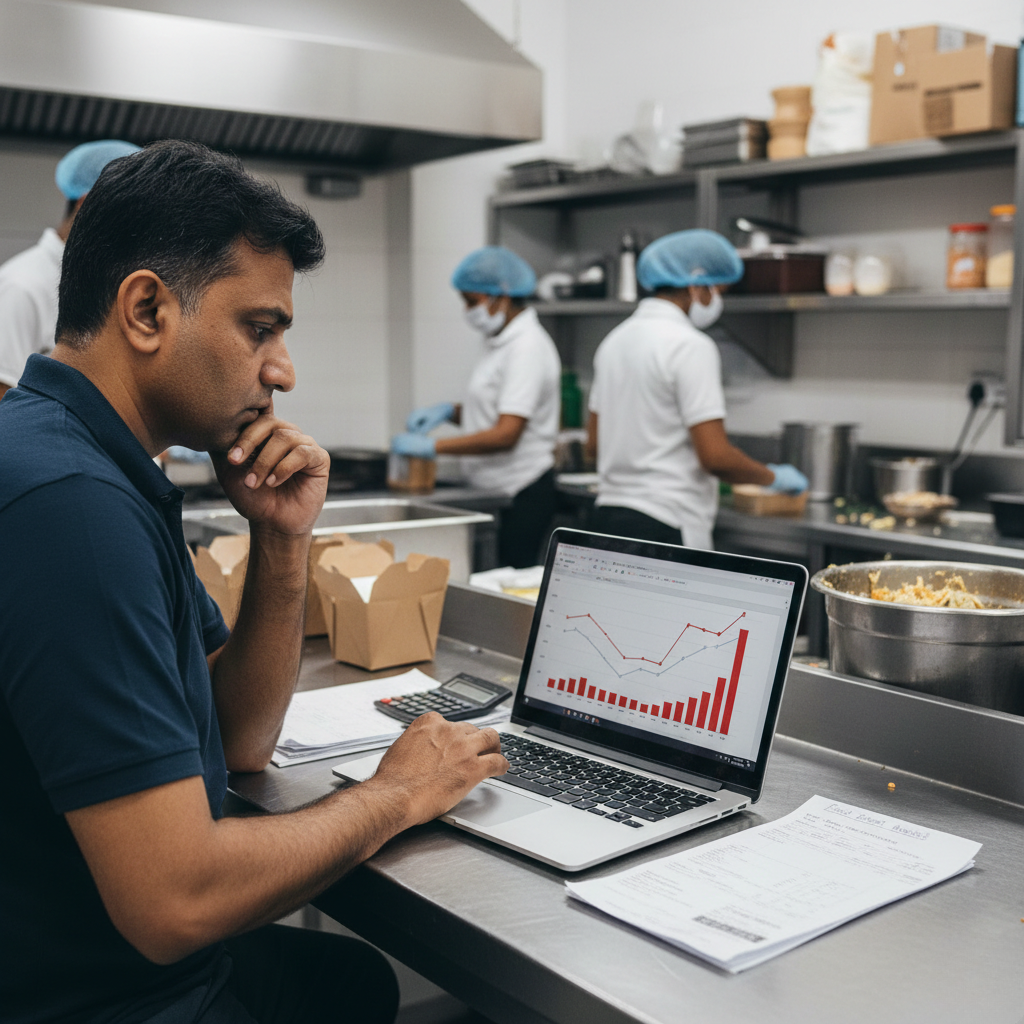
Scaling Problem #6: Lack of Centralized Visibility
Many founders lose control during scale because they cannot see what is happening across locations in real time.
- No SKU-wise margin tracking
- No refund dashboards
- No food cost variance reporting
Solution: Build centralized dashboards tracking contribution margin, refunds, and operational errors across all kitchens.
How Successful Cloud Kitchens Scale the Right Way
Profitable cloud kitchen brands scale in phases, not blindly.
- Fix unit economics at one kitchen
- Document SOPs and workflows
- Replicate systems before adding locations
- Scale cautiously with control
Brands like Green Salad and Fruut focus on repeatability before expansion.
Final Thoughts: Scaling Is an Operations Game
Cloud kitchen scaling problems are not random. They are predictable and preventable.
Founders who scale systems before sales build stable, profitable multi-location brands.
Frameworks from GrowKitchen help founders scale without chaos.
FAQs: Cloud Kitchen Scaling Problems
When should I scale my cloud kitchen?
Only after unit economics, SOPs, and refund control are stable.
Does scaling always increase profit?
No. Scaling increases both profit and loss. Without control, losses grow faster.
How many locations should I scale to first?
One additional location is the best test before aggressive expansion.
Is aggregator marketing necessary during scale?
Selectively. Overuse destroys margins.