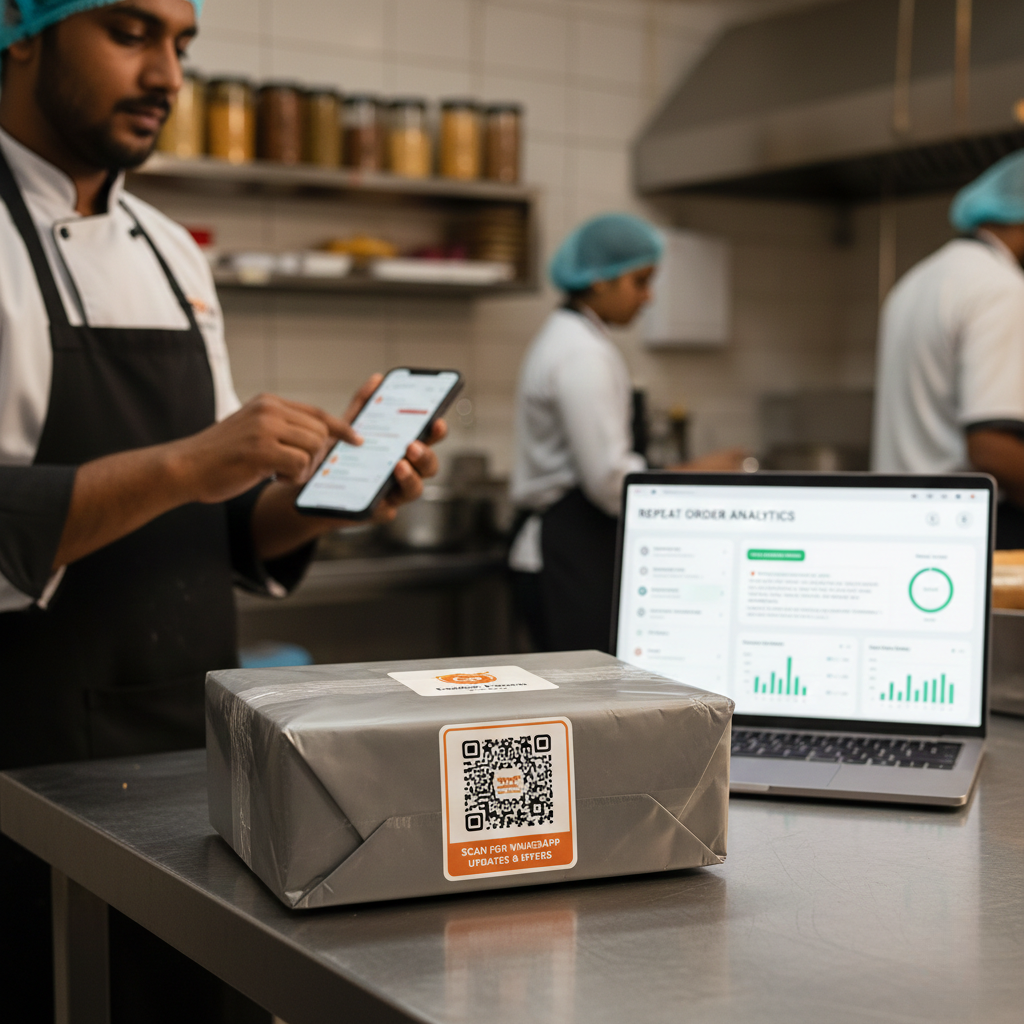
No Unit Economics = Guaranteed Failure
One of the biggest reasons why cloud kitchens fail in India is simple: most operators track revenue, not contribution margin. If contribution per order is weak, discounts, refunds, ad spends, and aggregator commissions wipe out profit.
They don’t know contribution margin
- Food cost percentage per SKU is unknown
- Packaging cost per order is not tracked properly
- Aggregator fees, taxes, and commissions are ignored
- Refund and discount leakage is unmeasured
Over-optimistic projections
- Assuming 100 orders per day too early
- Assuming 25% profit margin from day one
- Ignoring the burn of the first 60 to 90 days
- Expecting repeat orders before consistency is built

Menu Engineering Mistakes
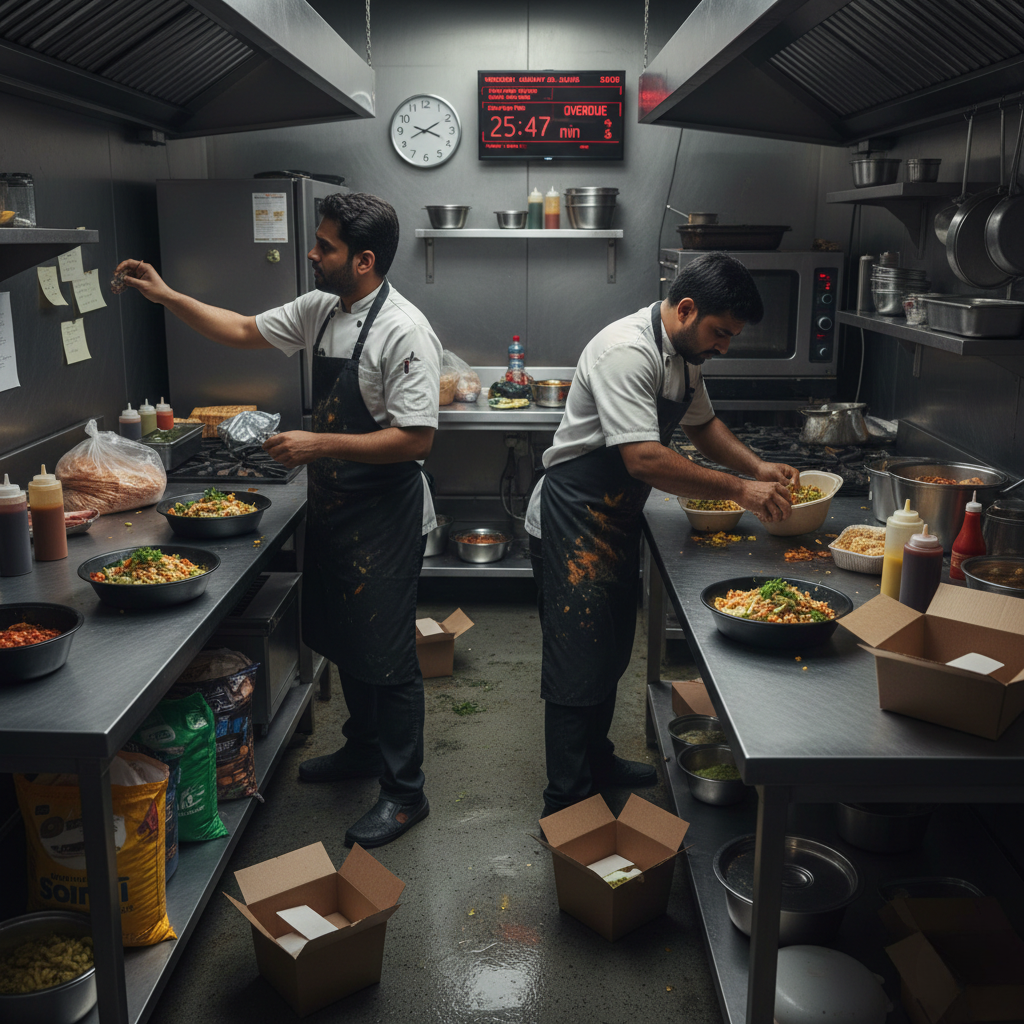
Operational Breakdown
Another major reason why cloud kitchens fail is operational inconsistency. Most kitchens run on memory, verbal instructions, and daily adjustments. That is why taste changes, ratings drop, refunds rise, and repeat customers disappear.
No SOPs
Without SOPs, every shift becomes a different restaurant.
- Portion control is missing
- Prep rhythm is not defined
- Taste and plating become inconsistent
- Dispatch errors increase over time
Poor inventory discipline
Leakage happens silently when inventory is not tracked daily.
- No RM master or BOM discipline
- No daily opening and closing stock checks
- Purchases are not tightly controlled
- Food cost keeps increasing without visibility

The Aggregator Dependency Trap
If 100% of your demand comes from Swiggy or Zomato, you do not own your customers. You rent demand. That is one of the biggest reasons cloud kitchen businesses fail when ad efficiency drops, ranking changes, or commissions increase.
What goes wrong
- No control over listing or ranking changes
- Commission fluctuations damage margins
- No customer data for retention or reactivation
- Heavy dependence on paid ads for visibility
What better operators do
- Build repeat through strong SOP execution
- Design combos and bundles for higher AOV
- Use retention systems outside aggregators
- Track refunds, cancellations, and reasons weekly