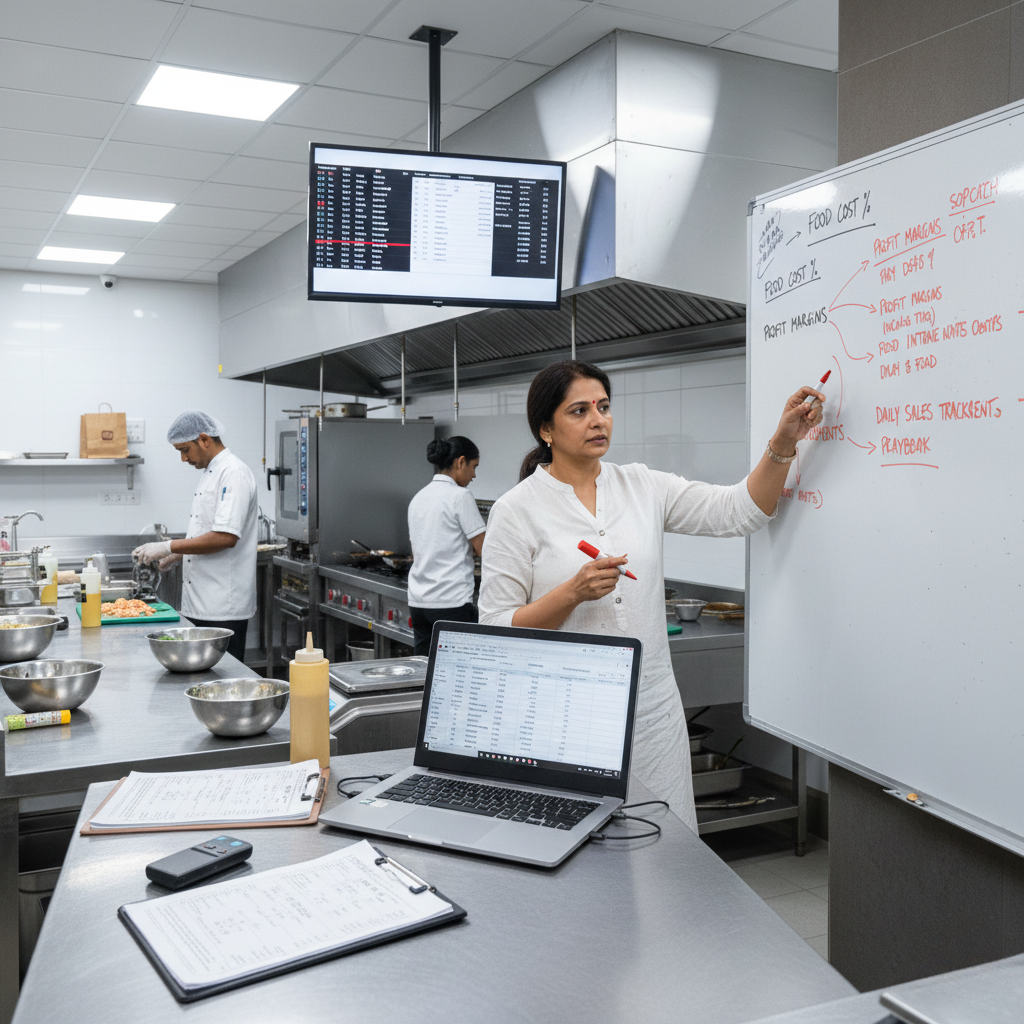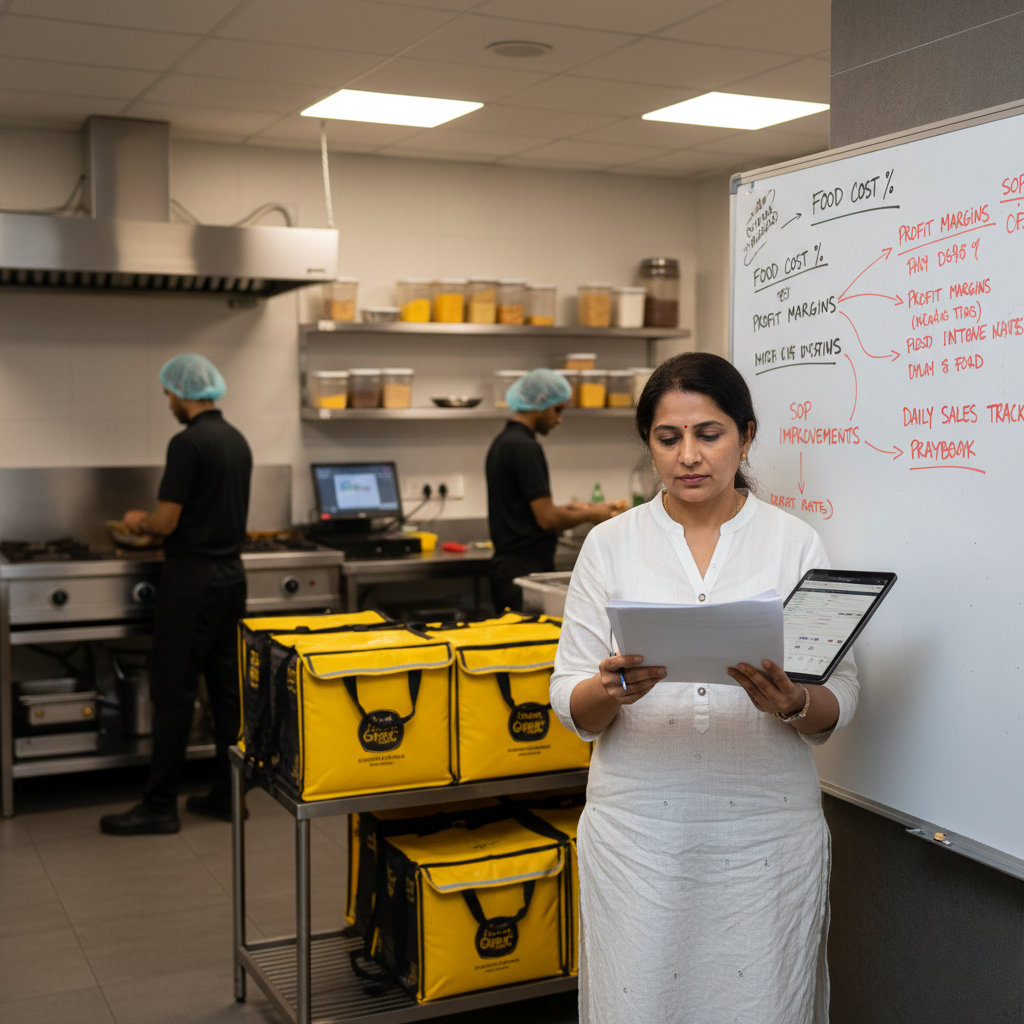
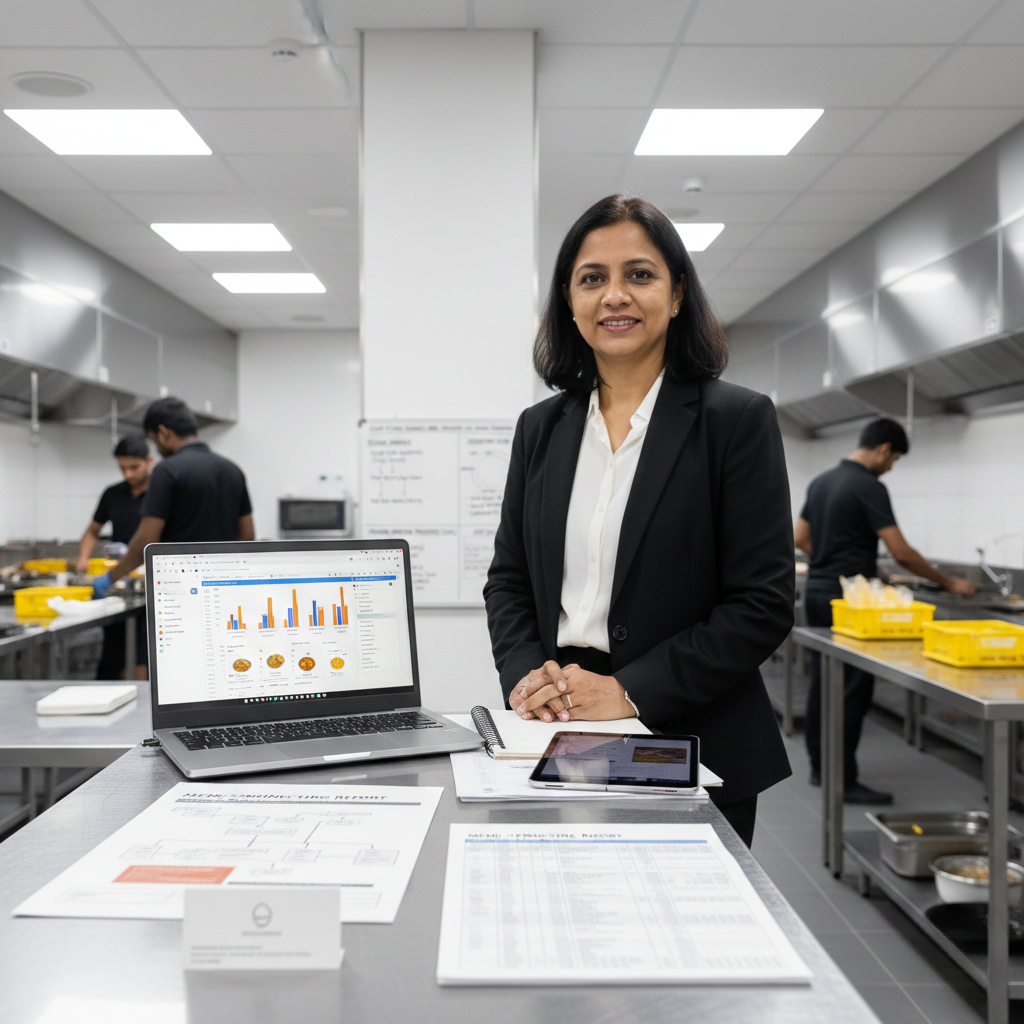
A cloud kitchen business model is not “open a kitchen and list on Swiggy/Zomato.” It’s a delivery-first unit economics system: how you design the menu, control food cost, plan prep, pack for travel, and run dispatch so every order leaves margin behind. Indian founders often copy restaurant thinking into a cloud kitchen and then get trapped in discounts, low ratings, and cash stress. This guide explains the cloud kitchen business model in India: types of models, real profit levers, operational structure, and what to set up so your kitchen becomes scalable not founder-dependent.
Start Here Before Choosing a Cloud Kitchen Business Model
This article is part of GrowKitchen’s strategy and operations series. If you’re new to delivery-first fundamentals, start with: Cloud Kitchen Business in India.
Before you plan scaling, make sure your business is compliant with FSSAI licensing and food safety basics, and that your billing and taxes are aligned with the GST Network. A weak compliance foundation makes the entire model fragile.
Cloud Kitchen Business Model Explained for Indian Founders
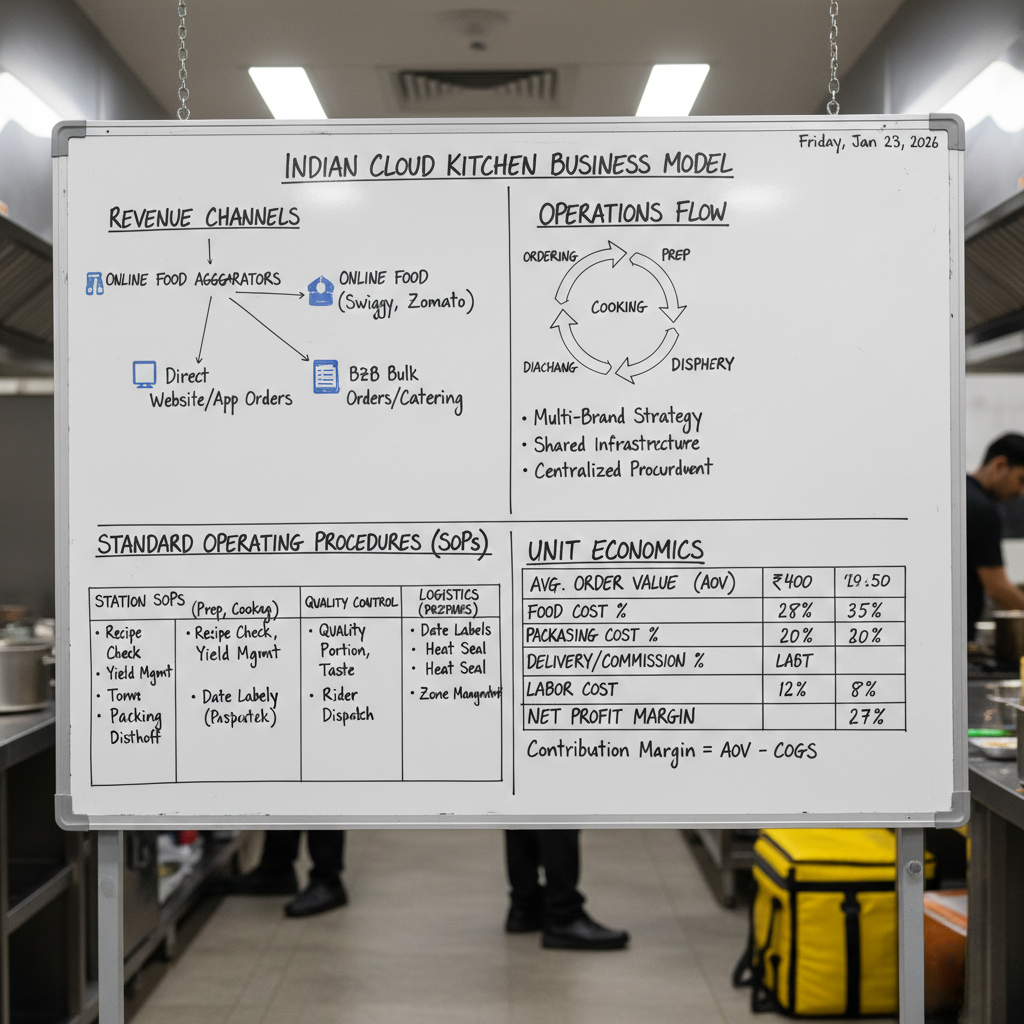
A cloud kitchen business model is a delivery-first operating and revenue structure where you produce food from a kitchen (cloud kitchen) and sell primarily through online channels (aggregators like Swiggy/Zomato, your own website/app, and direct). Unlike dine-in restaurants, your success depends on a tight system: fast prep, travel-proof packaging, consistent taste, stable ratings, and contribution margin per order.
The goal is not “more orders.” The goal is: stable ratings + predictable contribution margin + repeat ordering. If any one of these breaks, the model becomes discount-dependent and stressful.
Types of Cloud Kitchen Business Models in India
Indian founders usually pick a model based on budget, location, and skill set. But the best operators pick a model based on unit economics and execution complexity. Here are the most common models:
- Single-brand cloud kitchen: one cuisine, one menu, one clear identity simpler execution, easier SOP control.
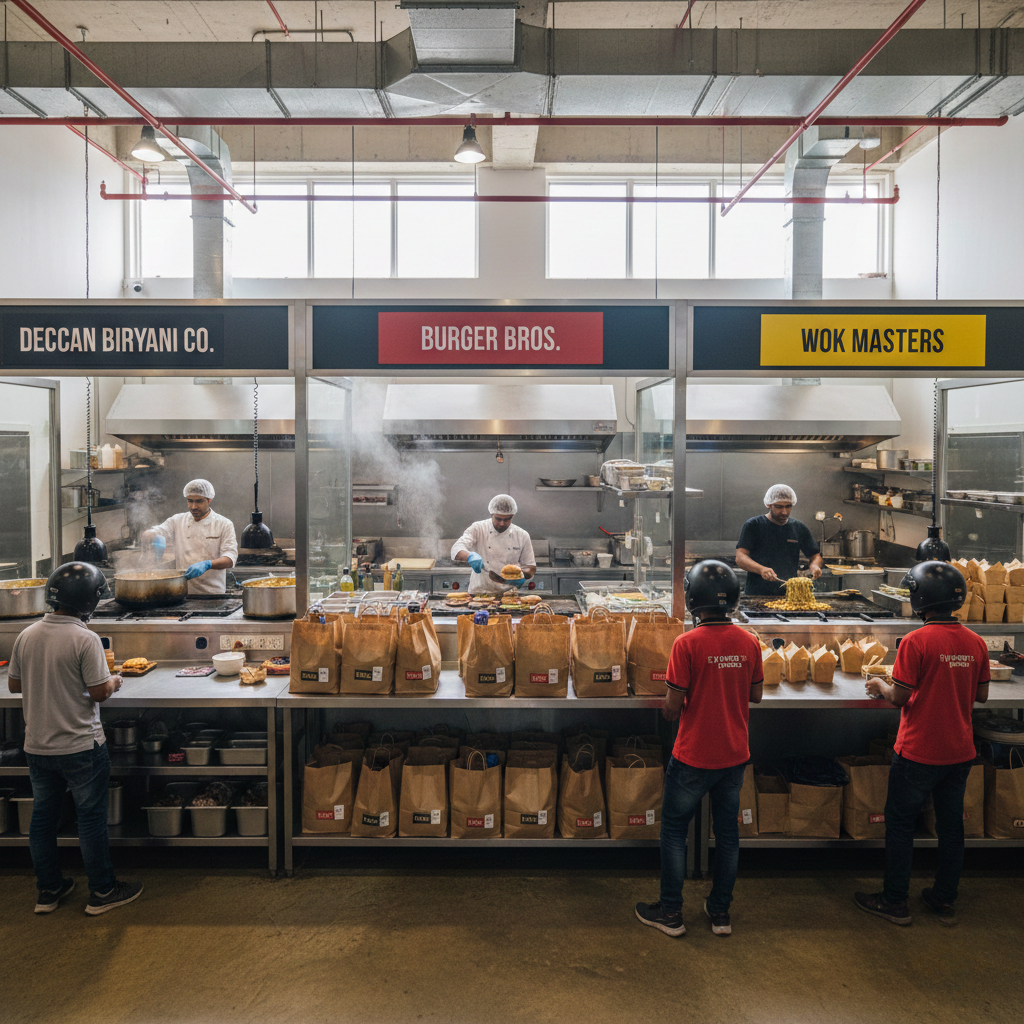
- Multi-brand cloud kitchen: multiple brands from one kitchen higher revenue potential but needs strong SOPs and inventory discipline.
- Aggregator-first model: Swiggy/Zomato drive most demand fast start but commission pressure requires tight margins.
- Hybrid model: aggregator + direct orders (WhatsApp/website/app) best long-term stability.
- Central kitchen (hub & spoke): centralized prep + multiple dispatch points excellent for scaling when processes are mature.
If you plan multiple locations later, learn: How to Scale Cloud Kitchens.
How a Cloud Kitchen Actually Makes Money
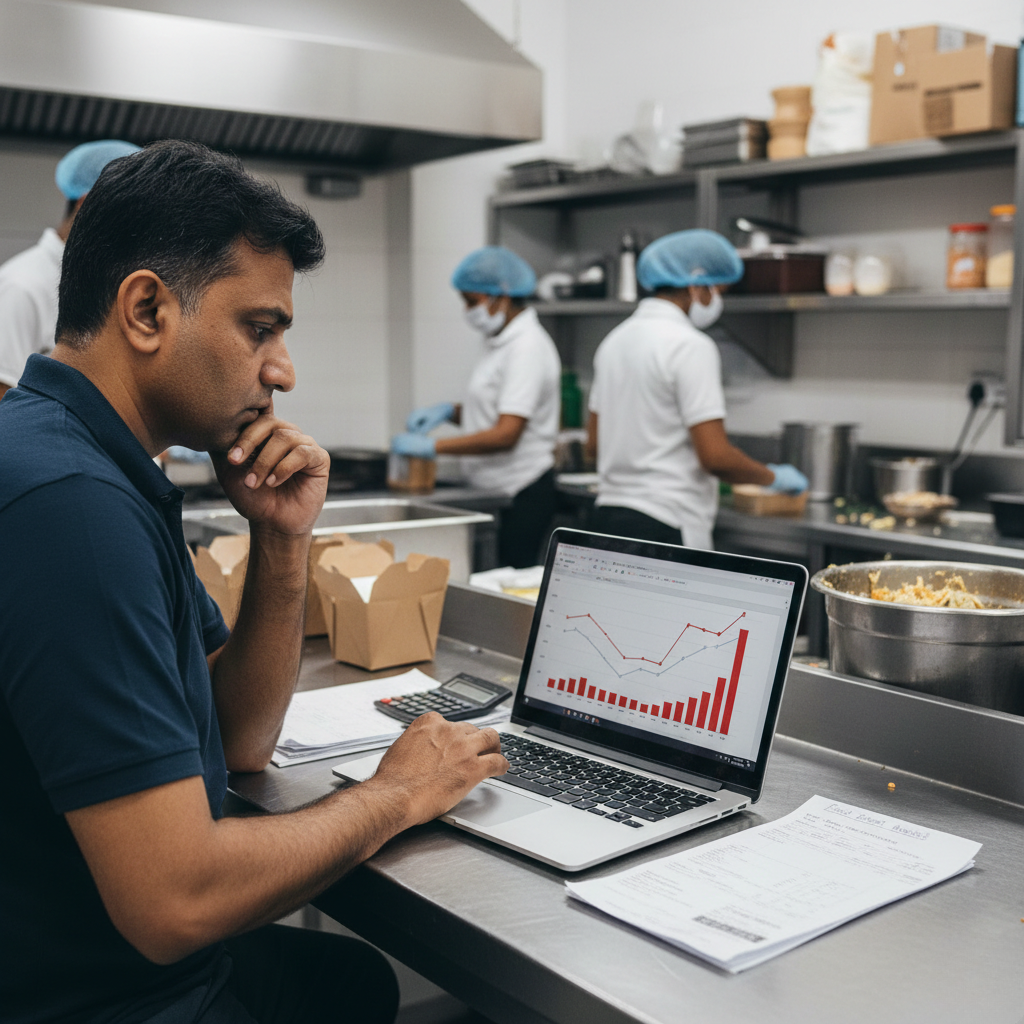
A cloud kitchen makes money when every order leaves contribution margin after food cost, packaging, platform fees, payment charges, and delivery commissions. Founders often watch revenue and ignore contribution margin, then wonder why cash is always tight.
The profit engine usually comes from a mix of:
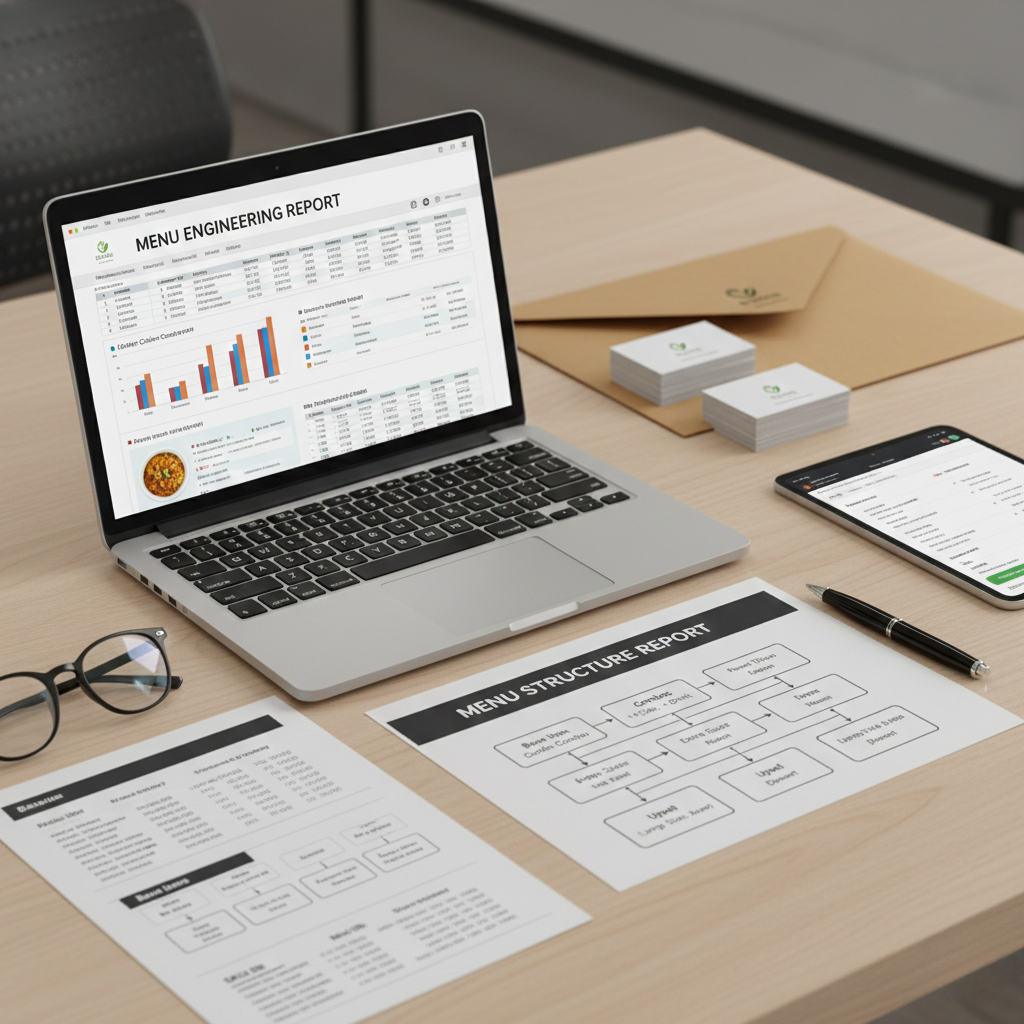
- Menu engineering: limited SKUs, shared bases, fast finishing, high-repeat dishes.
- Smart pricing: price bands that protect margin after commissions and offers.
- AOV growth: combos, add-ons, and upsells that increase basket value without adding workload.
- Repeat orders: consistent taste + delivery experience that builds habit.
If you want margin math and benchmarks, read: Cloud Kitchen Profit Margin in India.
Operations Is the Business Model (Not a Back-End Task)
In India, the biggest misunderstanding is treating operations like “kitchen work” and business model like “marketing.” In reality, operations is the model. Your prep system, packing flow, dispatch speed, and portion controls decide whether your kitchen can sustain demand without refunds and rating drops.
A stable cloud kitchen needs a repeatable operating framework with:
- Station SOPs: prep, assembly, packing, dispatch role clarity and step-by-step flow.
- Portion tools: ladles/scoops + weigh points for expensive ingredients.
- Inventory discipline: RM master, FIFO, par levels, variance checks.
- Packaging rules: travel-proof specs per category (fried, gravy, noodles, rice bowls, desserts).
- KPI rhythm: weekly reviews for cost, refunds, ratings, and delays.
Use this as your baseline system: Cloud Kitchen Operations Framework.
Setup Cost vs Model Choice: What Most Founders Misjudge
Many founders decide the model based on setup cost, but the bigger cost is operational inefficiency. A “cheaper setup” with poor workflow can become more expensive due to wastage, refunds, and low ratings.
Your setup investment should prioritize equipment and flow that improves consistency: refrigeration, sealing, packing stations, labeling, and storage discipline not just cooking appliances.
For a clear cost breakdown, read: Cloud Kitchen Setup Cost in India.
Aggregator Dependency: The Hidden Tax on the Model
Swiggy and Zomato can give you demand, but they also introduce pressure: commissions, ads, discount expectations, and ranking games. If your kitchen doesn’t have strong margins, aggregator dependency becomes a trap.
- Weak margins: offers eat profit, so you increase volume and burn out staff.
- Operational delays: peak-hour chaos reduces ratings, lowering visibility.
- Customer loyalty stays low: platform-first buyers shop by discount, not brand.
You should actively build direct ordering to reduce this dependency. Also read: How to Reduce Swiggy Commission.
External Standards That Protect Your Cloud Kitchen Model
Strong models also survive audits and compliance checks. Align your processes with:
What Cloud Kitchen Model Wins in India (Most of the Time)
For most founders, the best long-term model is a hybrid system: aggregator demand for discovery + direct orders for retention. The winning kitchens do three things consistently:
- Keep the menu tight: speed + repeat ordering beats variety.
- Build a daily operating rhythm: prep cycles + peak execution + weekly audits.
- Track KPIs like finance: contribution margin, delays, refunds, rating variance, repeat rate.
If you want a ready checklist to operationalize this, use: Cloud Kitchen SOP Checklist.
Final Thoughts: Cloud Kitchen Business Model for Indian Founders
A cloud kitchen business model is not a trend. It’s a system. When menu engineering, SOPs, inventory control, packing discipline, and KPI reviews become routine, the kitchen becomes predictable and predictability creates profit.
Choose your model based on your ability to execute daily. Then build structure before you scale demand. That’s how Indian founders build cloud kitchens that last.
FAQs: Cloud Kitchen Business Model in India
Which cloud kitchen model is best for beginners in India?
A single-brand, tight menu model is easiest to execute. Once SOPs and ratings stabilize, expand to a hybrid or multi-brand model.
Is a cloud kitchen profitable in India?
It can be, if you control portioning, packaging, and dispatch timing and track contribution margin per order not just revenue.
Should I depend only on Swiggy and Zomato?
No. Use aggregators for discovery, but build direct ordering for retention to protect margins and reduce platform dependency.
What is the biggest reason cloud kitchens fail?
Weak operations: inconsistent portioning, stock variance, poor packaging, late dispatch, and missing KPI discipline.