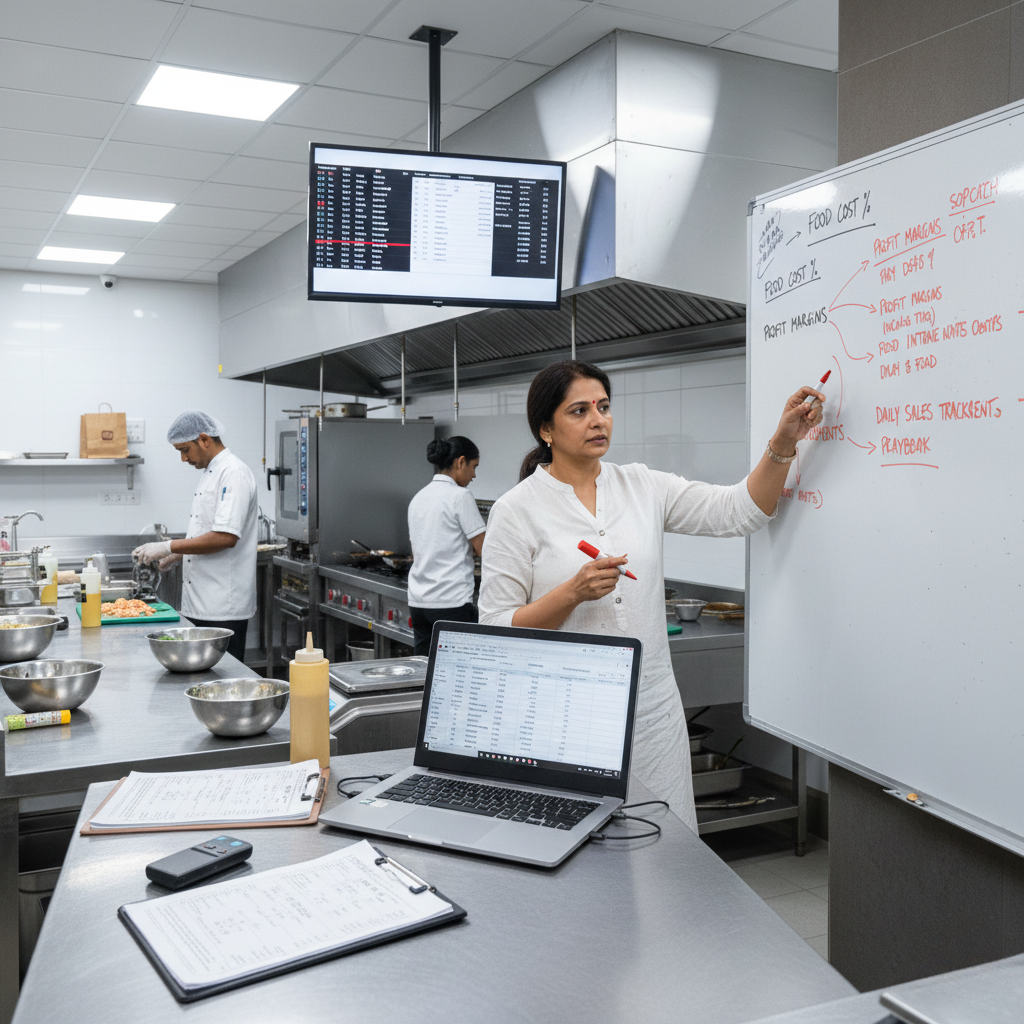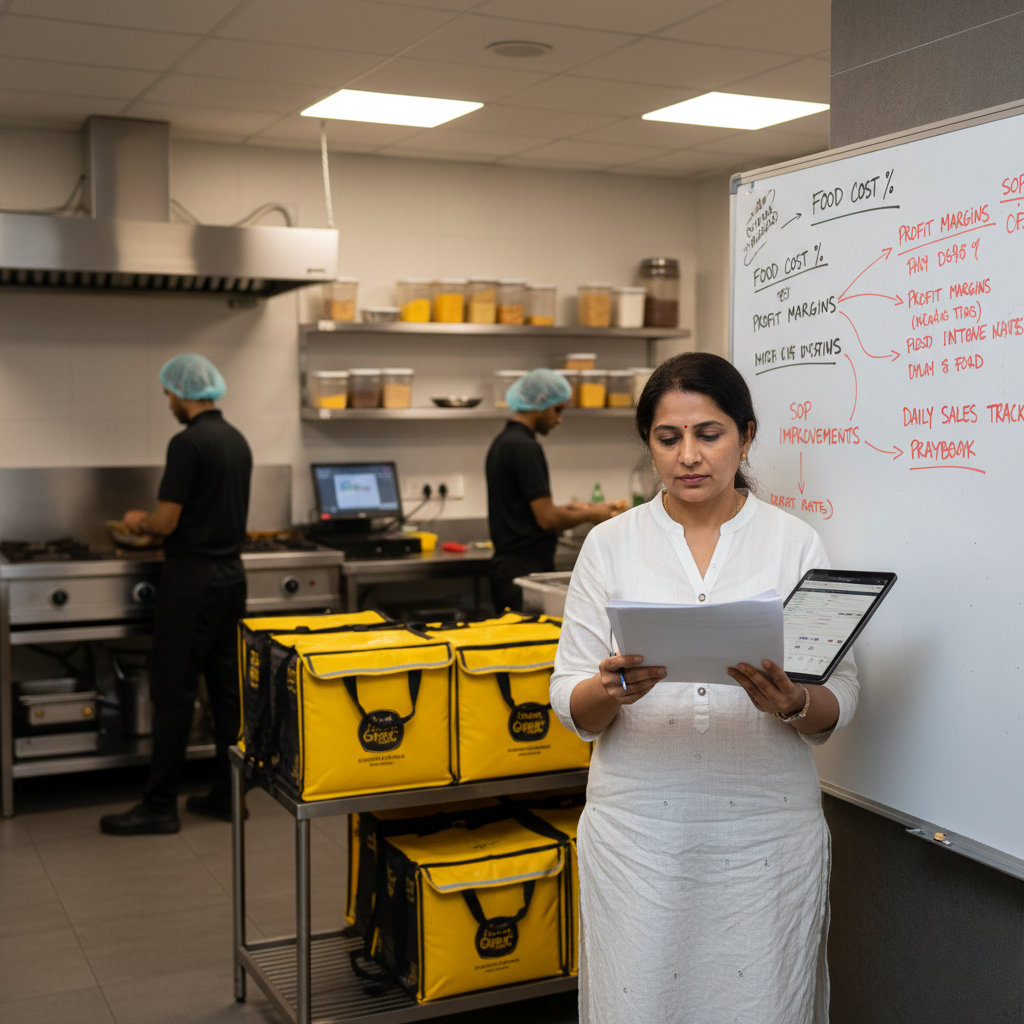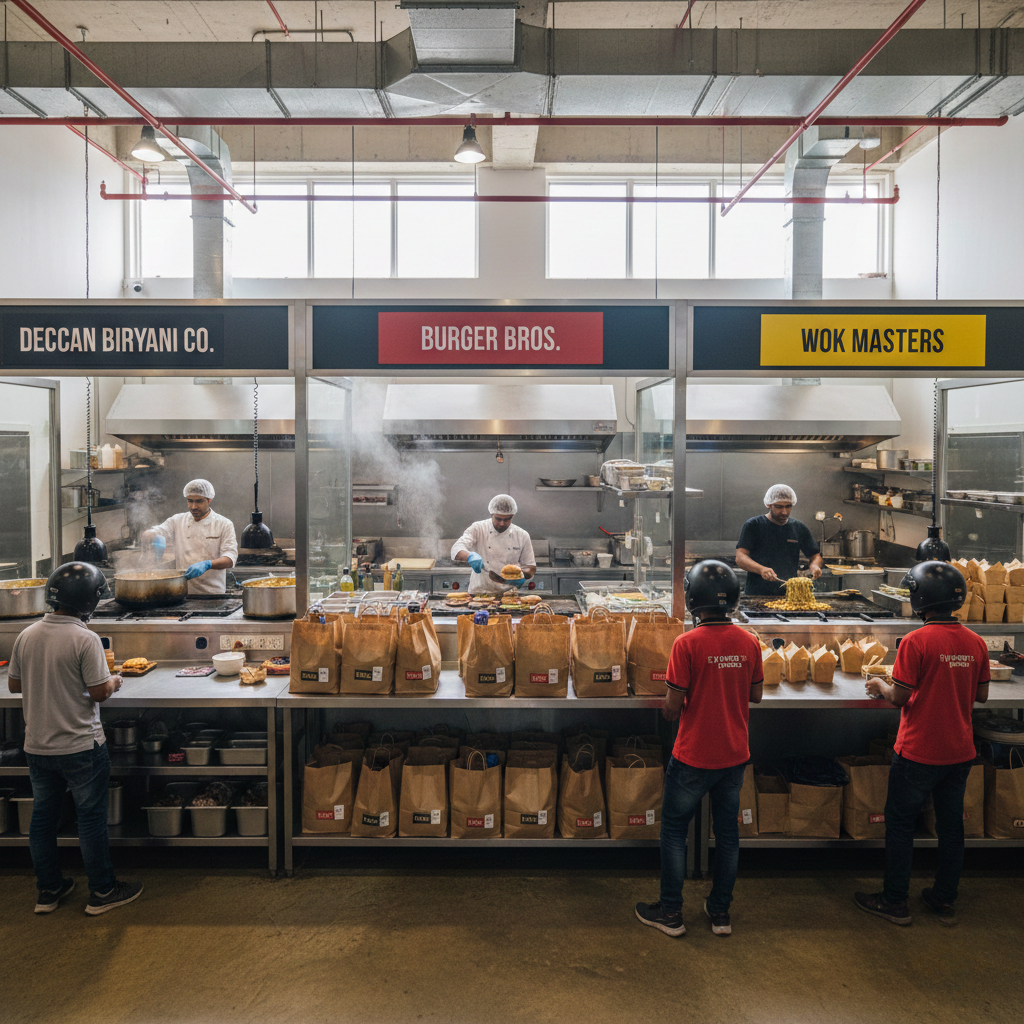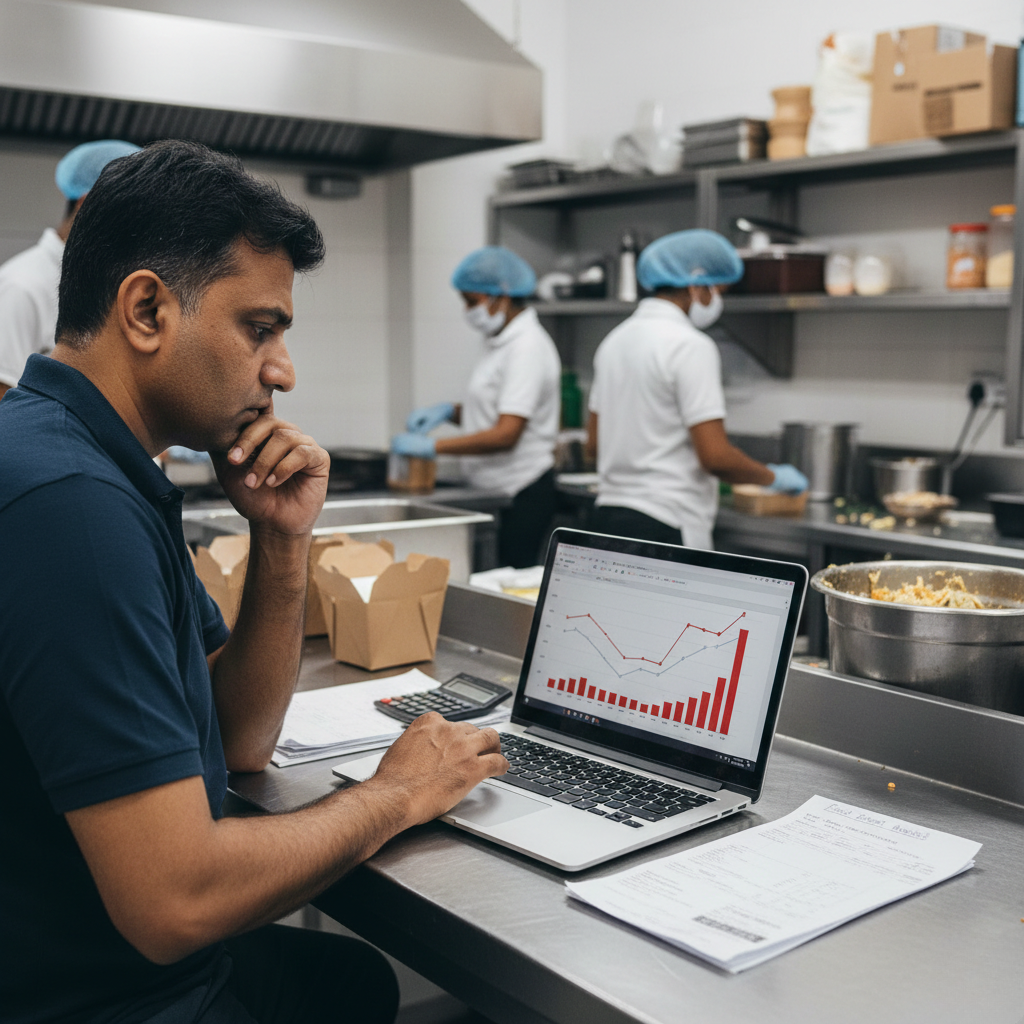
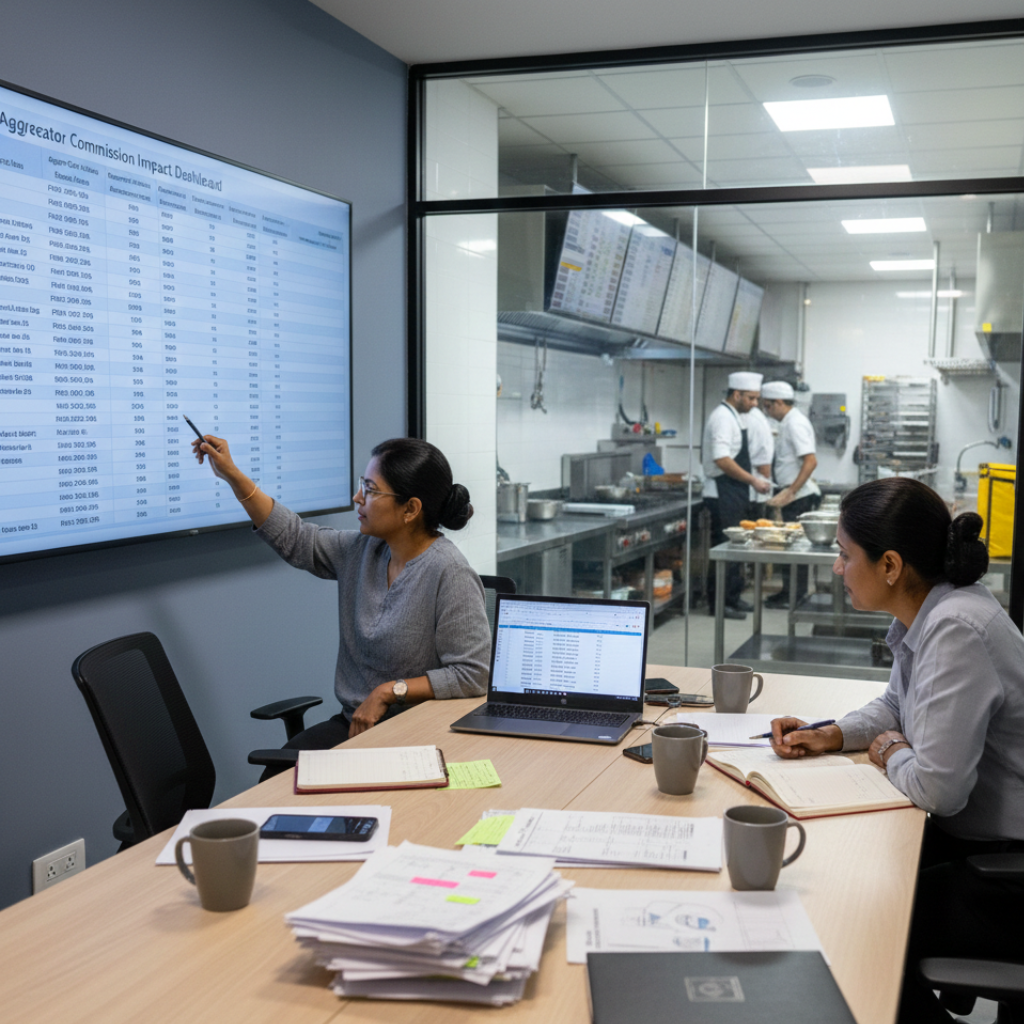
Cloud kitchen aggregator commission impact in India is one of the most misunderstood factors behind profit and loss. Swiggy and Zomato do not just deliver orders-they directly influence pricing, margins, visibility, and long-term sustainability of cloud kitchens. This guide explains how aggregator commissions work, how they affect unit economics, and how founders can protect profitability.
Why Aggregator Commissions Decide Cloud Kitchen Outcomes
This article is part of GrowKitchen’s cloud kitchen profitability and aggregator strategy series. To understand the broader model, start with: Cloud Kitchen Business in India .
For platform-level merchant policies and tools, refer directly to Swiggy and Zomato.
Understanding Cloud Kitchen Aggregator Commission Impact
Aggregator commission is not just a line item expense. In India, Swiggy and Zomato commissions typically range between 18% and 30% per order. This single cost component often determines whether a cloud kitchen makes profit or operates at a loss.
Since delivery, packaging, and manpower costs remain fixed per order, high commissions compress margins rapidly, especially for kitchens with low Average Order Value (AOV).
How Swiggy & Zomato Commissions Actually Work
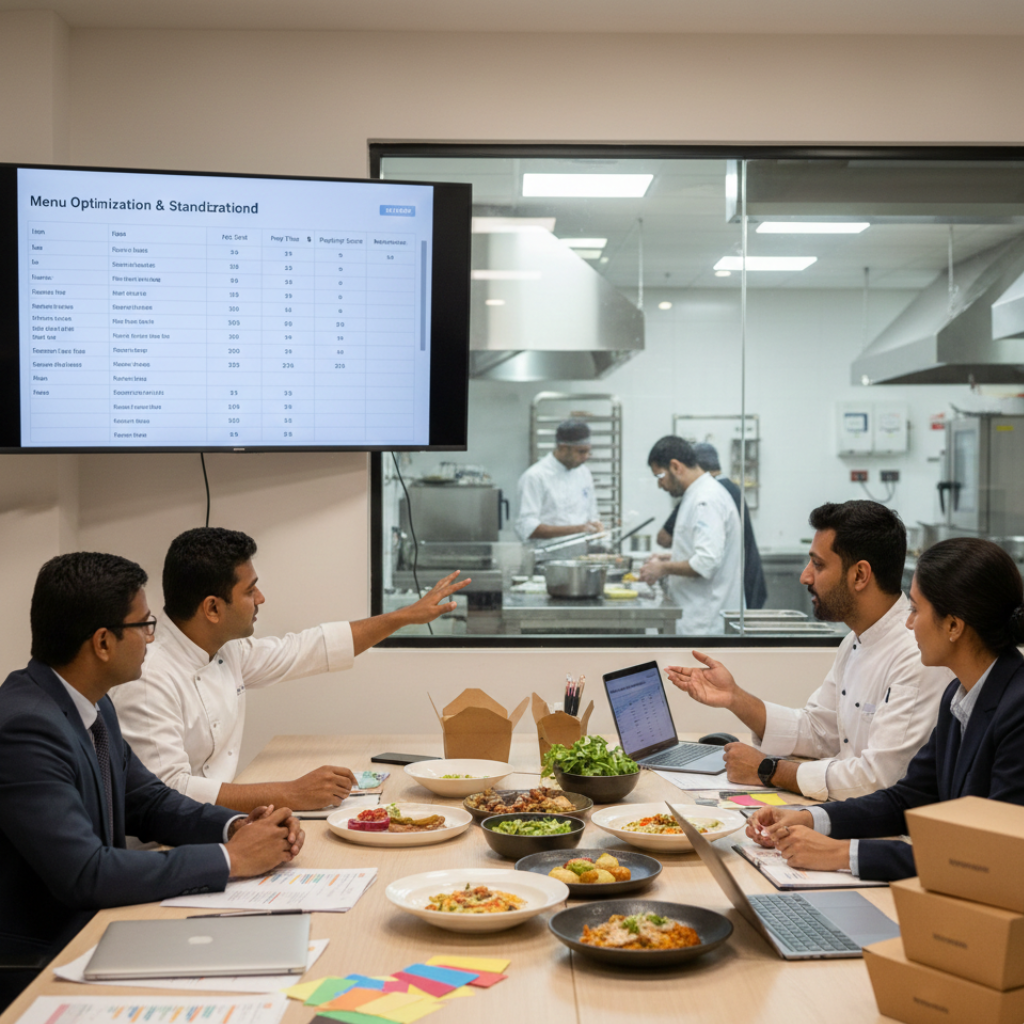
Swiggy and Zomato charge commissions as a percentage of the order value before taxes. This percentage varies based on city, cuisine category, demand-supply dynamics, and visibility programs.
Kitchens opting into paid visibility or promotional programs often pay higher effective commissions. Many founders mistake this for guaranteed growth, without evaluating contribution margins.
How Aggregator Commission Decides Profit or Loss
A cloud kitchen’s profit is determined by contribution margin, not gross revenue. After food cost, packaging, manpower, delivery charges, and commissions, the remaining margin is often thin.
Even a 3–5% increase in commission can turn a profitable menu item into a loss-making one. This is why commission-aware pricing and menu engineering are critical.
Does Higher Commission Mean Higher Visibility?
One of the biggest myths in the cloud kitchen ecosystem is that paying higher commission guarantees visibility. In reality, Swiggy and Zomato algorithms prioritize ratings, preparation time, order success rate, and repeat customer behavior.
Paid visibility may boost impressions temporarily, but sustainable visibility comes from operational performance, not commission alone.
Why AOV Is the Best Defense Against High Commission
Higher Average Order Value (AOV) reduces the effective impact of commissions. Since commission is charged per order, increasing order value improves margin absorption.
Cloud kitchens that actively work on AOV outperform those chasing order volume: Cloud Kitchen AOV Improvement Strategies .
Aggregator Commission vs Other Cloud Kitchen Costs
Unlike rent or manpower, aggregator commission scales with revenue. This makes it dangerous if not planned.
Many kitchens underestimate commission impact while calculating setup costs: Cloud Kitchen Setup Cost in India .
Can Cloud Kitchens Negotiate Aggregator Commissions?
Yes, commission negotiation is possible, but only for kitchens with strong performance metrics. High ratings, consistent order volume, and low cancellation rates improve negotiation leverage.
Data-driven discussions with account managers are far more effective than emotional appeals.
Why Many Cloud Kitchens Fail Due to Commission Pressure
Many cloud kitchens fail not due to lack of demand, but due to poor unit economics. Heavy discounting combined with high commissions destroys margins silently.
A deeper breakdown is available here: Why Cloud Kitchens Fail in India .
How to Control Aggregator Commission Impact
Sustainable cloud kitchens treat aggregators as distribution partners, not business owners. Commission optimization requires:
- Contribution-margin-based menu pricing
- Focused menus with high-performing items
- Improved AOV and repeat ordering
- Selective use of paid visibility
Final Thoughts: Commission Is Not the Enemy
Swiggy and Zomato commissions are unavoidable in the Indian cloud kitchen ecosystem. However, they do not automatically lead to losses.
Kitchens that understand commission mechanics, optimize unit economics, and focus on operational excellence consistently build profitable brands.
FAQs: Cloud Kitchen Aggregator Commission Impact in India
What is the average Swiggy and Zomato commission in India?
Swiggy and Zomato typically charge commissions between 18% and 30% per order, depending on city, cuisine category, demand conditions, and participation in visibility programs.
How do aggregator commissions affect cloud kitchen profitability?
Aggregator commissions directly reduce contribution margin. If not planned correctly, they can turn profitable orders into loss-making ones, especially for low-AOV kitchens.
Does paying higher commission guarantee more orders?
No. Higher commission alone does not guarantee visibility. Swiggy and Zomato prioritize ratings, preparation time, order success rate, and repeat customer behavior.
Can cloud kitchens survive with high aggregator commissions?
Yes, cloud kitchens can remain profitable by improving AOV, engineering high-margin menus, controlling food costs, and using paid visibility selectively.
What is the best way to reduce commission impact without losing visibility?
The safest approach is to optimize unit economics: increase AOV, reduce low-performing items, improve ratings and preparation speed, and gradually reduce dependence on paid programs.