Digital Marketing Solutions for the F&B Industry (2025 Playbook)
This 2025 playbook breaks down digital marketing solutions for the F&B industry – showing how restaurants, cloud kitchens, cafés and QSR brands can use Meta ads, Instagram content, SEO and delivery platform ads to grow orders, boost repeat customers and build a memorable food brand online.
Why Digital Marketing Matters for F&B Brands
The way people discover food has changed. Your potential customer is scrolling Instagram between meetings, checking ratings on Zomato, or seeing a mouth-watering reel right before dinner. If your brand doesn’t show up there, someone else’s will.
For restaurants, cafés and cloud kitchens, digital marketing solutions for the F&B industry are no longer optional – they’re how you stay visible, relevant and profitable in crowded delivery zones and high-street locations.
Typical Marketing Challenges in the F&B Industry
Most F&B founders are great with food and operations – but struggle with setting up repeatable digital marketing systems. Common challenges include:
- Dependence on walk-in or random aggregator orders without any long-term strategy.
- Inconsistent social media posting with no clear brand voice or content plan.
- No tracking of which campaigns are actually generating revenue.
- “Boost post” style ads that spend money without structured targeting or creatives.
- Seasonal spikes only during festivals, but no evergreen marketing engine.
The good news: with the right F&B-focused frameworks and tools, these can be converted into systems that run daily in the background while you run your kitchen.
Core Digital Marketing Solutions for F&B Brands
A strong digital marketing solution for F&B is not about doing everything; it’s about doing the right things in the right sequence. At a high level, your solution mix should include:
1. Brand Positioning & Visual Identity
Before running ads, your brand needs clarity:
- Who is your primary customer segment?
- What problem are you solving for them (speed, health, indulgence, price, convenience)?
- What should they feel when they see your brand online or on delivery apps?
Logo, colours, fonts, packaging and tone of voice should speak the same language across Instagram, Meta ads, aggregator listings and in-store collateral.
2. Social Media Strategy & Content Engine
Instead of random posting, build a content engine around:
- Signature dishes & hero food shots
- Behind-the-scenes content from kitchen and team
- Offers, launch announcements and limited-time drops
- Customer testimonials, UGC and re-shares
- Educational posts (ingredients, health angle, sourcing, process)
This content powers both organic reach and paid campaigns and becomes the core of your digital marketing solutions for the F&B industry.
3. Meta (Facebook & Instagram) Ads for F&B
Meta ads are perfect for:
- Driving footfall to dine-in outlets in your locality.
- Boosting delivery orders in specific pin codes.
- Launching new outlets with awareness and offer-led campaigns.
- Retargeting people who engaged with your content or visited your website.
4. Local SEO & Google Business Profile Optimisation
When someone searches “best burger near me” or “salad bowls in Powai”, your brand should be visible in Maps and search results. Local SEO includes:
- Complete Google Business Profile with photos, menu & description
- Location-specific keywords on your website
- Reviews strategy and response templates
5. Delivery Platform Optimisation (Swiggy/Zomato)
Apart from organic listing and ratings, smart use of platform tools helps:
- Category and menu engineering for high visibility
- Smart discounts and combos that maintain margins
- Occasional platform ad campaigns for key dishes & time slots
See this – LinkedIn
Platform-by-Platform Strategy for F&B Brands
Instagram & Facebook (Meta Ecosystem)
Focus on a mix of reels, carousels and stories. Use:
- Reels for reach and discovery
- Stories for offers, polls and behind-the-scenes
- Carousels for menu highlights and education
Paid ads can then amplify your best-performing posts to people living or working around your outlet or high-potential delivery areas.
Google Search & Maps
Your website and Google Business Profile should work together:
- Clear “Order Now” and “Reserve Table” CTAs
- Click-to-call buttons for quick reservations
- Embedded menus and photos that match your actual offerings
Swiggy & Zomato
Use delivery platforms as both a sales and branding channel:
- High-quality dish photos and compelling names
- Combos that increase order value without slowing operations
- Time-bound ad bursts during weekends or peak seasons
How to Track Performance & ROI
Without tracking, digital marketing feels like “spend and hope”. For F&B brands, keep it simple:
- Key outcomes: orders, reservations, enquiries and followers from the right geography.
- Key numbers: cost per lead, cost per order, repeat customer ratio.
- Key habits: weekly review of campaigns and a monthly strategy reset.
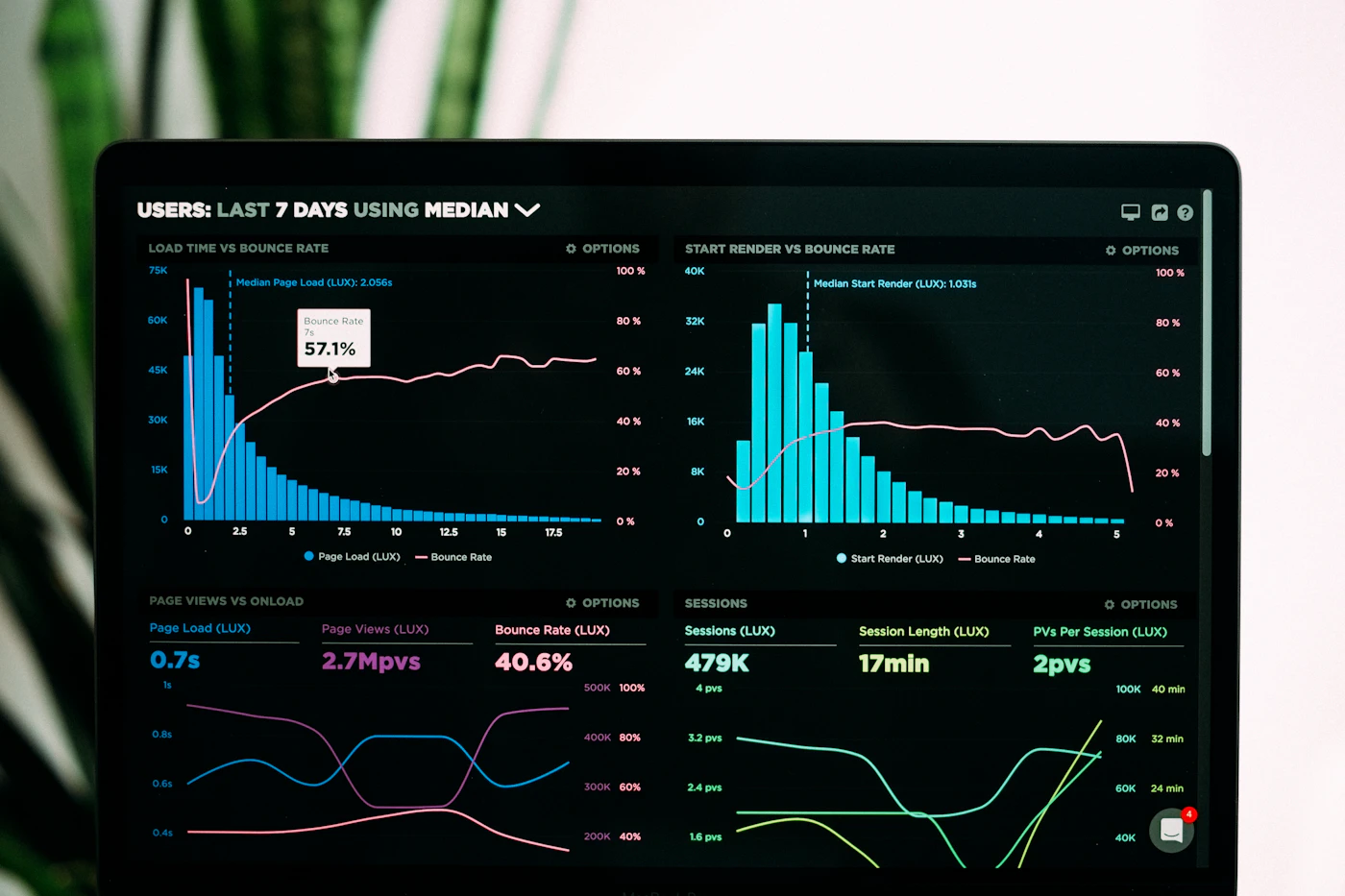
Even a simple shared sheet or dashboard that compares marketing spend vs revenue impact every month can change how you make decisions.
Sample Packages & Engagement Models
Every brand and city is different, but typically F&B digital marketing engagements are structured as:
- Launch Sprints (6–8 weeks): For new outlets or rebrands.
- Monthly Retainers: Always-on content + ads + optimisation.
- Campaign Projects: Festival, seasonal or new product push.
A good plan respects your current revenue and margin structure – the idea is to grow, not to make marketing another fixed headache.
Mini Case Studies & Use Cases
Here are some typical scenarios where digital marketing solutions for the F&B industry work well:
- Cloud kitchen expanding from one to three locations using Meta ads and platform optimisation.
- Café increasing weekday footfall with local awareness ads and offer-led reels.
- Healthy bowl brand attracting office subscribers through targeted interest-based campaigns.
Results depend on location, cuisine, pricing and operations – but with the right creative and targeting, digital can become your most predictable growth engine.
FAQ: F&B Digital Marketing Questions
How much should a restaurant or cloud kitchen spend on digital marketing?
As a starting point, many brands allocate around 5–10% of monthly revenue towards marketing. Early-stage outlets might invest slightly more to build awareness in the first few months.
Which is better: social media or delivery app ads?
They serve different roles. Social media builds brand and recall; delivery app ads capture high-intent customers already looking to order. A balanced plan usually includes both.
How long does it take to see results?
With a clear offer and good operations, you can start seeing traction from digital campaigns in 2–4 weeks, with stronger compounding impact over 3–6 months.
Can I handle digital marketing in-house?
Yes, as long as you have bandwidth, clarity and systems. Many brands start with an agency or consultant to build the initial strategy and structure, then slowly bring parts in-house as the team matures.
Want a Done-for-You Digital Growth Plan for Your F&B Brand?
GrowKitchen helps restaurants, cafés and cloud kitchens build a practical digital marketing system – from content and creatives to Meta ads and performance tracking – tailored to the realities of the F&B industry.
Book a Free Strategy CallGet a Custom Cloud Kitchen Plan for Your Brand
Not sure how to start or scale your cloud kitchen in India? Share a few details about your brand and we’ll send you a personalised setup and growth roadmap.
- City-wise kitchen and location suggestions
- Approximate investment & profit estimates
- Menu and positioning recommendations
- Whether CKaaS or own kitchen suits you better
Fill the form and our team will get in touch within one working day.
About Us
Ckaas Sloutions
Contact
Follow On
© 2025 Grow Kitchen. All rights reserved.
WhatsApp us