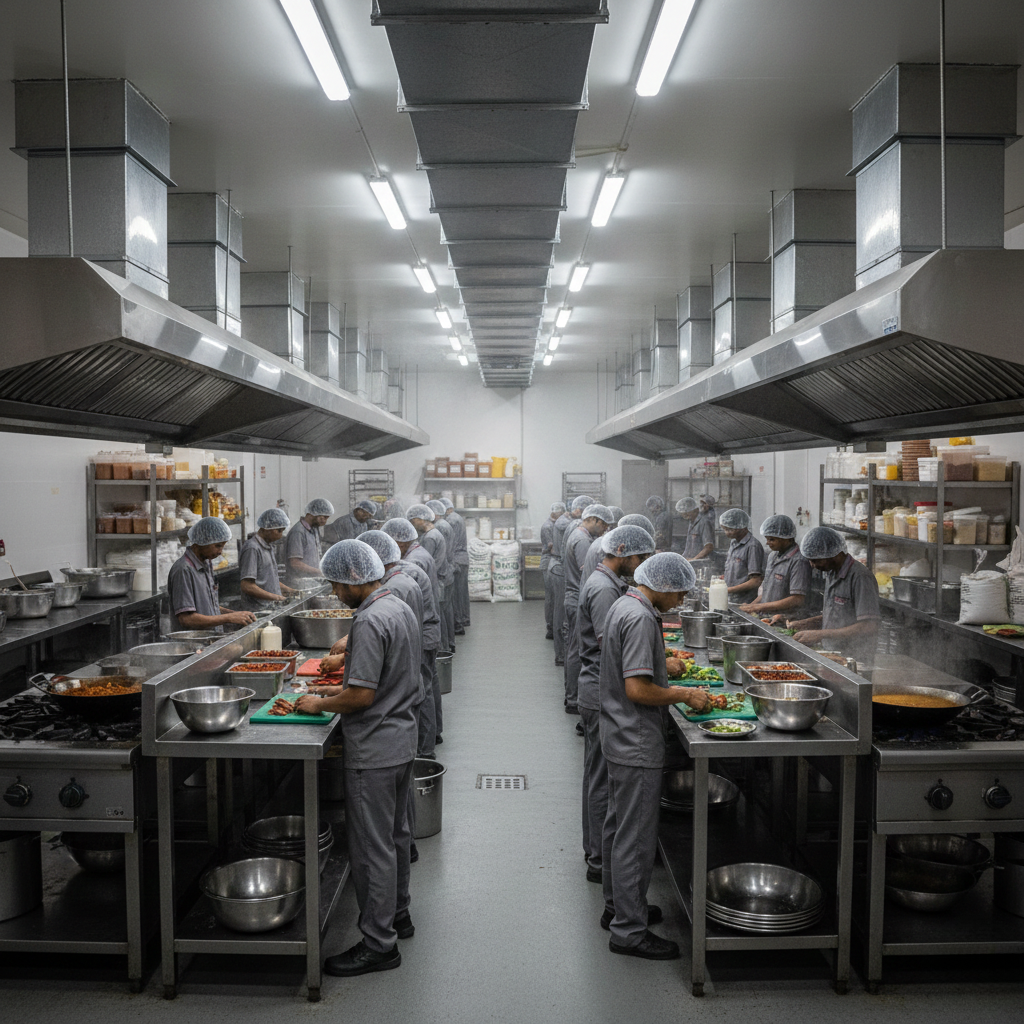
How to Scale Your Cloud Kitchen to Multiple Locations (Without Losing Control)
You’ve validated your first cloud kitchen. Orders are stable, reviews are strong. Now the real question: how do you scale to multiple locations without breaking quality, operations or cash flow? This guide gives you a practical multi-location scaling playbook for Indian cloud kitchen brands.
Why Scaling a Cloud Kitchen is Different from Opening the First One
Opening your first cloud kitchen is about survival - can you get orders, manage costs and reach breakeven? Scaling to multiple locations is a different game. It’s about:
- Standardising what works (menu, recipes, packaging, brand)
- Removing dependence on one star chef or one founder
- Using data, systems and people to replicate success city by city
Without a scaling strategy, many brands open 2-3 outlets fast and then get stuck in chaos - food quality variations, staff issues, rating drops and cash flow pressure. This guide is designed to help you avoid that trap.
Are You Ready to Scale? Key Signals
Before you think of location number two, check if your first kitchen is truly ready to be replicated.
1. Stable Order Volume
Your primary kitchen should have:
- Consistent daily orders (not just festival spikes)
- Clear peak hours and predictable patterns
- Repeat customers and strong week-on-week retention
2. Healthy Contribution Margin
You should know your:
- Average order value (AOV)
- Food cost percentage
- Aggregator commission impact
- Final contribution per order after all variable costs
If the unit economics don’t work at one location, scaling simply multiplies the loss.
3. Documented Menu & SOPs
Recipes, portion sizes, plating, station setup and shift checklists should be documented. If everything lives “in the chef’s head”, scaling will be risky.
If you haven’t yet structured your first kitchen, you may want to revisit basics in: How to Start a Cloud Kitchen in India .
See this - LinkedIn
Build the Operations Foundation Before Location 2
A scalable cloud kitchen brand is not built on a superstar chef - it’s built on systems. Before expanding, focus on:
1. Standardised Recipes & Prep
Every dish should have:
- Exact ingredient quantities and prep steps
- Clear cooking sequence and holding times
- Defined plating / packaging SOPs with photos
2. Station Design & Layout
Your line should be designed so that:
- Prep, cook and pack stations are clearly defined
- Movement is efficient during peak times
- New kitchens can copy the same layout with minor tweaks
3. Basic Quality & Hygiene Audits
Have a simple audit checklist that you (or a manager) can use across all kitchens:
- Temperature control and storage checks
- Handwashing, gloves and personal hygiene
- Cleaning schedules for equipment and floors
How to Choose Your Next Cloud Kitchen Locations
Scaling is not about opening wherever you get a cheap deal. It’s about placing kitchens where demand, delivery radius and cost come together.
1. Map Your Current Demand
Use your aggregator dashboards to see:
- Where most of your orders are coming from (pin codes / localities)
- Areas where your delivery radius is too long (leading to cold food or delayed orders)
- Zones where you frequently reject orders due to distance
2. Identify Gap Clusters
Look for pockets where:
- There is strong population and office density
- Competition exists but reviews are weak
- Your cuisine has proven demand but no strong specialist brand
3. Balance Rent vs Revenue Potential
A slightly higher rent in a high-demand zone is better than a cheap kitchen in a low-demand pocket. Always model:
- Estimated daily order volume
- Contribution per order
- Months to breakeven on setup cost
For deeper thinking on cost and breakeven, also read: How Much Does It Cost to Start a Cloud Kitchen?
Scaling with Multi-Brand & Hub-and-Spoke Models
When you expand, you’re not just choosing locations - you’re choosing your business model. The best cloud kitchen business models in India combine:
1. Single Brand, Multi Location
You replicate one strong brand across several kitchens. This works well if:
- Your menu has clear product-market fit
- Brand recall is building in your city
- You want deep dominance in one cuisine category
2. Multi-Brand, Shared Kitchens
You run 2–5 virtual brands from the same kitchen infrastructure:
- Shared ingredients and prep to maximise utilisation
- Different brands targeting different occasions and customer segments
- Better use of rent, utilities and staff
For example, a single kitchen might run a biryani brand, a kebab brand and a late-night snacking brand in parallel.
3. Hub-and-Spoke Prep Models
In some cases, bulk prep (gravies, marinades, base sauces) can be centralised in a hub kitchen and finished at smaller spoke kitchens. This can improve:
- Consistency across locations
- Speed of service
- Overall food cost and wastage
To compare models more deeply, see: Best Cloud Kitchen Business Model in India .
Tech, Data & Dashboards for Multi-Location Control
As you scale, “gut feeling” is not enough. You need data visibility across all outlets.
1. Centralised Reporting
Set up simple dashboards (even in Google Sheets or BI tools) to track:
- Orders, AOV and revenue by outlet
- Food cost percentage per brand and per kitchen
- Rating trends and customer feedback by location
- Staff productivity metrics (orders per hour, wastage, etc.)
2. Menu & Pricing Control
Keep a central master menu and pricing logic. Local tweaks can be made only with a clear reason (rent difference, demand difference, etc.).
3. Standardised Tech Stack
Use the same POS, KDS (Kitchen Display System) and aggregator integration across all locations. This:
- Reduces training complexity
- Makes reporting easier
- Avoids errors in order flow and ticket printing
Team, Training & SOPs for Consistency
People will make or break your scaling journey. Your goal is to build a system where:
- New staff can be trained quickly on standard processes
- Key knowledge is documented, not just verbal
- Each outlet has clear roles and responsibilities
1. Training Playbooks
Create simple training modules for:
- New joiner onboarding (kitchen tour, hygiene, brand story)
- Role-specific tasks (grill, fry, pack, dispatch)
- Peak-hour behaviour and ticket management
2. Outlet-Level Accountability
Each kitchen should have an outlet in-charge or manager responsible for:
- Daily checklist completion
- Food quality and ticket time
- Inventory and wastage control
3. Regular Audits & Feedback Loops
Schedule periodic audits and use customer reviews to:
- Spot patterns (e.g., “this outlet always gets cold food complaints”)
- Update SOPs when you find a better way
- Reward teams that maintain consistently high standards
Marketing Playbook for Multi-Location Cloud Kitchen Brands
Scaling is not just an operations game; it’s also a brand game. You want customers to recognise and trust your brand across locations.
1. Consistent Visual Identity
Ensure:
- Same logo, colours and packaging elements everywhere
- Consistent naming of SKUs across cities
- Standard photo style for aggregator menus and social media
2. Location-Specific Campaigns
Use:
- “Now delivering in <New Area>” launch campaigns
- Hyperlocal offers for the first 30-60 days in new locations
- Local partnerships with gyms, offices or societies
3. Central Brand Story
Even with local activity, your core story should remain the same:
- What do you stand for? (e.g., comfort food, health, indulgence, late-night)
- Who are you serving?
- Why should they pick you over other options?
For brand and marketing ideas, you can explore: Digital Marketing Solutions for F&B .
Scaling Faster with CKaaS Networks
One of the biggest blockers to scaling is capex and operational bandwidth. That’s where Cloud Kitchen as a Service (CKaaS) becomes powerful.
Instead of setting up each new kitchen from scratch, you plug your brand into an existing network of ready-to-operate kitchens.
How CKaaS Helps You Scale
- Access to proven delivery zones without hunting for properties
- Existing teams who already understand online order flow
- Shared infrastructure and systems that are already tested
With GrowKitchen CKaaS , brands can:
- Expand into Mumbai & Pune via multiple kitchens
- Leverage learnings from other brands in the network
- Move from “single outlet founder” to “multi-outlet brand owner” faster
FAQ: Scaling Cloud Kitchens in India
When should I open my second cloud kitchen location?
Typically when your first location has stable orders, healthy contribution margin and documented SOPs. Rushing into expansion without these often leads to operational stress and cash flow issues.
Should I scale city-wide first or go to new cities?
Usually it’s safer to dominate one city or region first. Once your brand, systems and supplier relationships are strong in one geography, you can expand to new cities with more confidence.
How many brands should I run from one kitchen?
It depends on your team strength and prep complexity. Many kitchens successfully run 2-4 brands that share ingredients. Beyond that, complexity must be carefully managed.
Do I need different menus for different locations?
Start with a common core menu for brand consistency. Adjust 10-20% of items if a local area demands specific dishes or price points.
Where can I learn more about cloud kitchen business models?
You can read: Best Cloud Kitchen Business Model in India and What is CKaaS? Cloud Kitchen as a Service Model Explained .
Want a Multi-Location Scaling Plan for Your Cloud Kitchen Brand?
If you’re ready to move from one outlet to many, GrowKitchen can help you design your rollout plan – from city selection and kitchen locations to menu strategy, unit economics and CKaaS expansion.
Book a 30-Minute Scaling Strategy CallGet a Custom Cloud Kitchen Plan for Your Brand
Not sure how to start or scale your cloud kitchen in India? Share a few details about your brand and we’ll send you a personalised setup and growth roadmap.
- City-wise kitchen and location suggestions
- Approximate investment & profit estimates
- Menu and positioning recommendations
- Whether CKaaS or own kitchen suits you better
Fill the form and our team will get in touch within one working day.
About Us
Ckaas Sloutions
Contact
Follow On
© 2025 Grow Kitchen. All rights reserved.
WhatsApp us