
How to Start a Food Business from Home in India
Starting a food business from home in India is not just about cooking well. It is a delivery-first business system built on licensing, menu engineering, SOPs, pricing, packaging, and repeat customer growth.
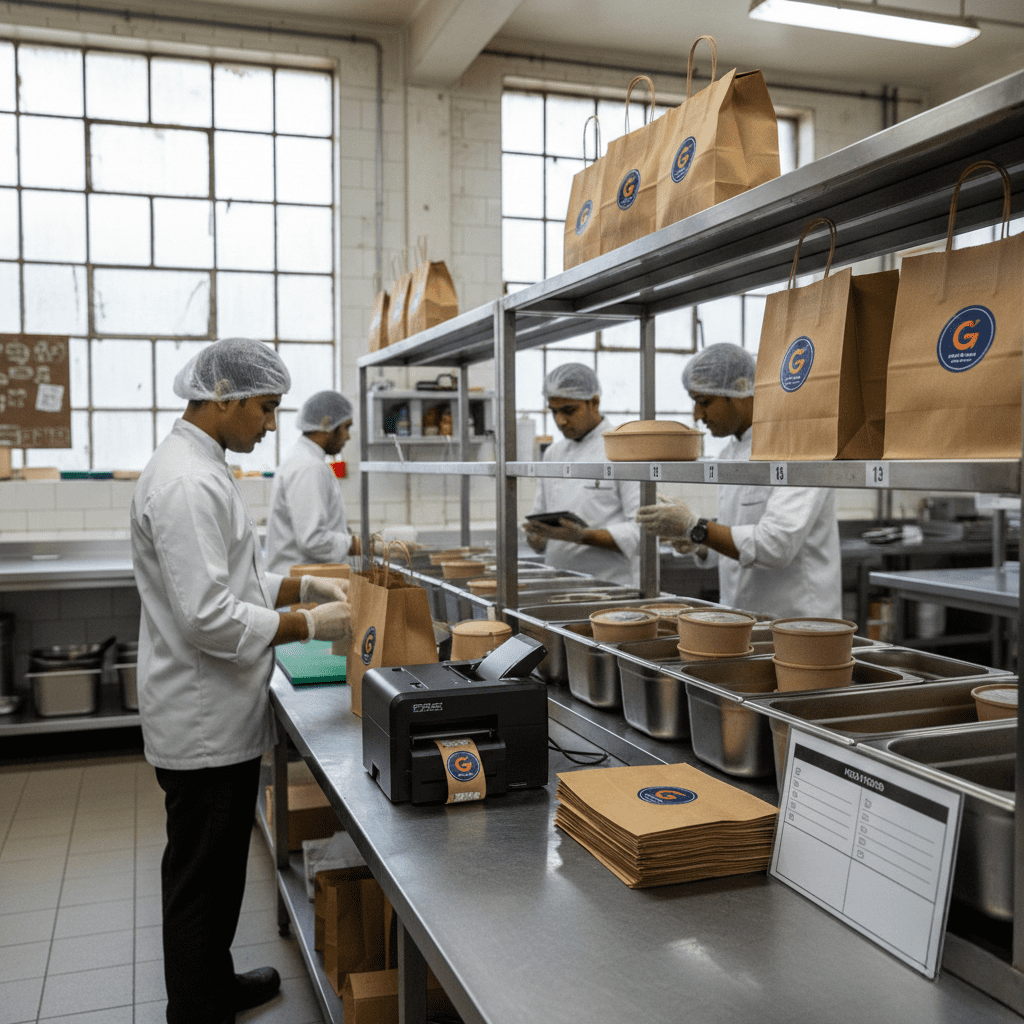
Why Starting a Food Business From Home Makes Sense
A home-based food business gives you a lower-risk way to test demand, improve your menu, build repeat customers, and understand margins before investing in a full cloud kitchen setup.
Low Investment, Faster Validation
Test pricing, packaging, and menu demand without taking heavy financial risk upfront.
Delivery-First Demand
Customers reorder when quality, consistency, and packaging stay reliable across every delivery.
Home to Cloud Kitchen Path
Once demand is proven, you can move into a better-capacity kitchen model and scale faster.
How to Start a Food Business From Home in India
Follow this order to avoid common mistakes like too many menu items, weak pricing, poor packaging, and no visibility into your real margin.
Choose a Category That Sells
Study local demand, price point, repeat potential, and expected average order value.
Get Licenses Ready
Start with FSSAI, then add GST and other compliance depending on your sales model.
Design a Delivery-First Menu
Start with 8–15 SKUs, shared ingredients, controlled prep, and combo logic.
Do Costing Before Your First Order
Track raw material, packaging, gas, labor leakage, and contribution margin early.
Pick the Right Sales Channel
Start with WhatsApp and Instagram, then move to Swiggy or Zomato once systems are stable.
Build SOPs From Day One
Standardize recipe grams, prep schedule, packing flow, and weekly review numbers.
How Much Investment Is Needed to Start a Food Business From Home?
A food business from home in India can start between ₹30,000 and ₹1,50,000 depending on category, equipment, packaging, and output level. The goal is to prove demand and margin first, then scale with less risk.
- Equipment upgrade: essential cooking and storage only
- Packaging: first 200–300 orders
- Raw material: opening stock and test batches
- Branding: photos, menu, positioning, and listing quality
- Licenses: FSSAI and basic compliance
When to Move From Home to a Cloud Kitchen
Start from home, prove demand, and then scale only when capacity, dispatch speed, and customer volume require a stronger operational setup.
How GrowKitchen Helps Home Founders
We help founders build a stronger launch system with menu engineering, costing sheets, SOPs, packaging workflows, onboarding structure, and a margin-safe scaling plan.
- Cuisine validation and brand positioning
- Delivery-first menu engineering
- Costing and contribution model
- SOPs for prep, packing, and dispatch
- Aggregator onboarding structure
- Scale plan from home to cloud kitchens
Limited deployment slots per cycle to protect execution quality.
FAQs About Starting a Food Business From Home in India
These FAQs help improve clarity for users and strengthen landing-page SEO around home food business intent.
Can I start a food business from home in India?
Yes, many founders start from home with a focused menu, basic compliance, strong packaging, and direct-order channels before scaling.
Do I need an FSSAI license for a home food business?
Yes, FSSAI is one of the first compliance steps you should complete before selling food professionally from home.
How much money is needed to start a food business from home?
A typical starting range is around ₹30,000 to ₹1,50,000 depending on equipment, packaging, cuisine, and brand setup quality.
When should I move from home to a cloud kitchen?
You should consider scaling when demand is proven, home capacity is stretched, and platform visibility becomes the next logical growth step.
Want to Start From Home Without Guesswork?
Tell us your city, cuisine idea, target monthly goal, and expected price range. We’ll help map a delivery-first menu, starter SOPs, and a margin-safe growth path so you do not waste months experimenting blindly.
Limited consultations per week to protect execution quality.
Get a Custom Cloud Kitchen Plan for Your Brand
Not sure how to start or scale your cloud kitchen in India? Share a few details about your brand and we’ll send you a personalised setup and growth roadmap.
- City-wise kitchen and location suggestions
- Approximate investment & profit estimates
- Menu and positioning recommendations
- Whether CKaaS or own kitchen suits you better
Fill the form and our team will get in touch within one working day.
About Us
Ckaas Sloutions
Contact
Follow On
© 2025 Grow Kitchen. All rights reserved.
WhatsApp us